Applications
PCCW selects ICTV ActiveVideo Distribution Network for ‘now TV’ interactive services

MUMBAI: ICTV, which creates on-demand solutions that blend the choice and control of broadband video with the quality and responsiveness of television, and Hong Kong based telecom firm PCCW have announced that the ICTV ActiveVideo Distribution Network (AVDN) has been selected to enable interactive channels via television to subscribers of PCCW‘s now TV service. |
The ActiveVideo Distribution Network is a usage-based content distribution service that enables operators, programmers and advertisers to bring video programming and advertising models from the Internet to the |
“The Movie Trailer Channel is the first example of how ActiveVideo Distribution Network will enable our subscribers to find and control an entirely new series of television channels of high-quality video with interactivity and ICTV president and CEO Jeff Miller says, “Over the past two years, PCCW has established now TV as a world leader in the deployment of IPTV. We believe that the ability of ActiveVideo to bring standards-based, Web-driven programming and Internet-style advertising to the television will be a significant factor in helping operators like PCCW to dynamically One of the world‘s largest and most advanced IPTV deployments, now TV enables subscribers to choose their preferred programmes from more than 110 channels. The service provides 15 channels at no charge, and allows Capitalising on the ability to deliver Web programming as MPEG video to any digital set-top box, the ICTV ActiveVideo platform is entirely standards-based, requiring no custom integration or proprietary development. Live and VOD programming can be blended seamlessly with content that is created and modified quickly using standard Web tools and The ActiveVideo platform utilises existing on-demand infrastructure, delivering all programming from the headend as MPEG video while using the on-demand return path to receive user input to control the programming and provide interactivity. This approach requires little set top resources and integrates with and extends existing set-top based interactive approaches. With ActiveVideo Channels, network operators and programmers can enhance the value of existing channels by allowing viewers to take active control of what they see and when they see it. As an example, through simple clicks on their remote controls, television viewers can select an ActiveVideo Channel from the standard programme guide and enter a broadband experience that includes multiple video windows, navigational elements, channel branding, banner advertisements, and links to different video segments and images. Screens can be manipulated to reflect personal viewing interests and purchasing preferences. Clicking on advertisements within the ActiveVideo experience enables interaction with sponsor messages, including “telescoping” to let consumers request more information, watch a demonstration or make a purchase. |

Applications
With 57 per cent single new users, Ashley Madison rebrands as discreet dating platform
Platform says majority of new members now identify as single
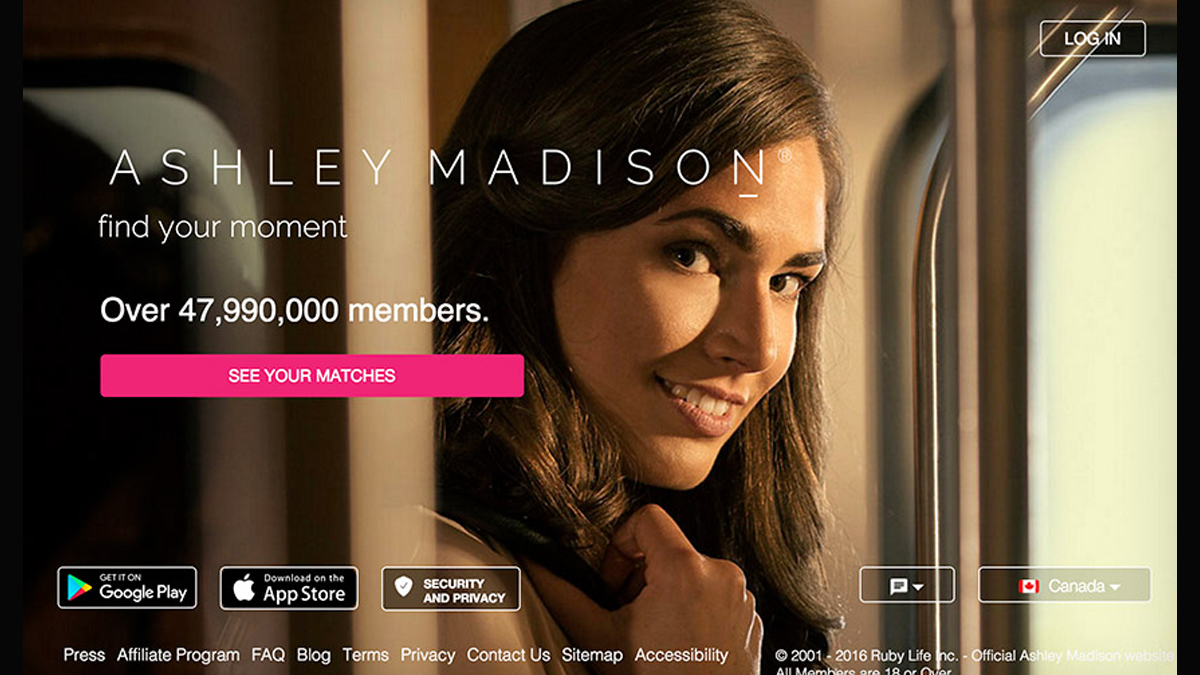
INDIA: Ashley Madison is shedding the “married-dating” label that defined it for two decades, repositioning itself as a platform for discreet dating in what it calls the post-social media age.
The rebrand, unveiled in India on 27 February, 2026, marks a structural shift in business model and identity. Once synonymous with married dating, the company now describes itself as the “premier destination for discreet dating” under a new tagline: Where Desire Meets Discretion.
The pivot is data-driven. Internal figures show that 57 per cent of global sign-ups between 1 January and 31 December, 2025 identified as single: a notable departure from the platform’s married core. The company argues that its community has already evolved beyond its original positioning.

“In an age where our lives have been constantly put on public display, privacy has become the new luxury,” said Ashley Madison chief strategy officer Paul Keable. He framed the platform’s offering as “ethical discretion” for singles, separated, divorced and non-monogamous users seeking private connections.
The shift also taps into wider digital fatigue. A global survey conducted by YouGov for Ashley Madison, covering 13,071 adults across Australia, Brazil, Canada, Germany, India, Italy, Mexico, Spain, Switzerland, the UK and the US, found mounting discomfort with hyper-public online lives.
Among dating app users, 30 per cent cited constant swiping and messaging as a source of fatigue, while 24 per cent pointed to pressure to curate public-facing profiles and early personal disclosure. Some 27 per cent said fears of screenshots or information being shared contributed to exhaustion; an equal share cited unwanted attention.
The retreat from oversharing appears broader. According to the survey, 46 per cent of adults actively try to keep most aspects of their life private online. Only 8 per cent feel comfortable sharing most aspects publicly, while 35 per cent say they are becoming more selective about what they disclose.
Ashley Madison is betting that this cultural recalibration towards controlled visibility can be monetised. By doubling down on privacy infrastructure and reframing itself around discretion rather than infidelity, the company is attempting to convert reputational baggage into a premium proposition.