Applications
Panasonic, Comcast join forces to test interactive digital cable-ready television

MUMBAI: Consumer elctronics firm Panasonic and US cable major Comcast have announced that they will begin joint testing on an interactive digital cable-ready high-definition plasma television based on the Open Cable Application Platform (Ocap) specifications that cable operators in the US have begun to deploy. |
The joint test, which will begin later this month, builds on the relationship Panasonic and Comcast announced at the ongoing 2006 International Consumer Electronics Show (Ces) in Las Vegas. The companies agreed to jointly develop digital cable set-top boxes and to explore and develop extensions to the Ocap specifications that will enhance and simplify consumers‘ home entertainment experiences. Integrating OCAP middleware into a digital cable-ready television will let consumers access digital cable features, such as video on demand and electronic programme guides, without a digital set-top box. It also will create new opportunities for the delivery of next generation, two-way interactive digital cable features like voting, e-commerce and |
Panasonic US CTO Dr. Paul Liao says, “This is a major step in the realisation of Ocap and we are very pleased to be partnering with Comcast, the leading cable operator in the US, to test this exciting product. Panasonic is a market Comcast senior VP, technology and policy Mark Coblitz says, “We are pleased to expand our relationship with a leader like Panasonic to develop the next generation of digital cable-ready televisions. The development of Ocap-powered TVs is another example of how Comcast is working with the consumer electronics industry to enhance the consumer viewing experience by making it even easier to enjoy new interactive applications combined with the convenience of integrated digital cable services.” Panasonic and Comcast expect testing of the new Ocap-powered TVs to run through 2007, and are targeting initial commercial availability of the first model for early 2008. “The integration of Ocap technology into High-Definition Plasma televisions is the future of television. It opens the market for new and exciting interactive applications, including on-screen shopping, game play, voting, and many others that are only now being invented by software developers everywhere” adds Dr. Liao. |

Applications
With 57 per cent single new users, Ashley Madison rebrands as discreet dating platform
Platform says majority of new members now identify as single
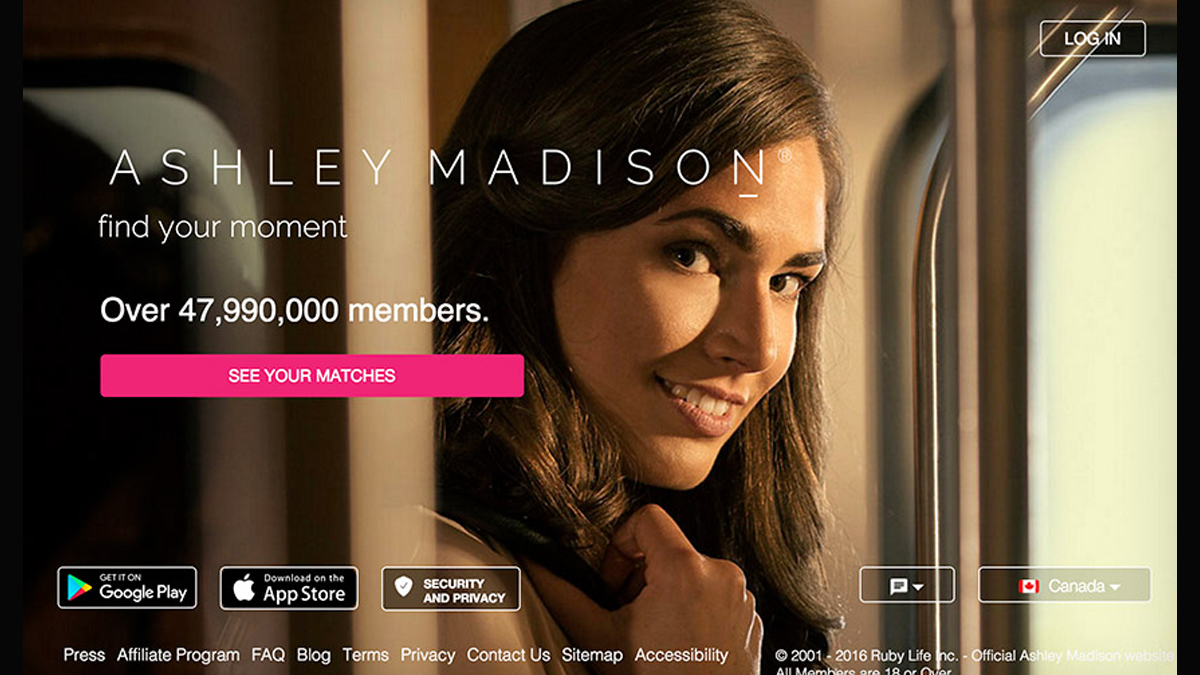
INDIA: Ashley Madison is shedding the “married-dating” label that defined it for two decades, repositioning itself as a platform for discreet dating in what it calls the post-social media age.
The rebrand, unveiled in India on 27 February, 2026, marks a structural shift in business model and identity. Once synonymous with married dating, the company now describes itself as the “premier destination for discreet dating” under a new tagline: Where Desire Meets Discretion.
The pivot is data-driven. Internal figures show that 57 per cent of global sign-ups between 1 January and 31 December, 2025 identified as single: a notable departure from the platform’s married core. The company argues that its community has already evolved beyond its original positioning.

“In an age where our lives have been constantly put on public display, privacy has become the new luxury,” said Ashley Madison chief strategy officer Paul Keable. He framed the platform’s offering as “ethical discretion” for singles, separated, divorced and non-monogamous users seeking private connections.
The shift also taps into wider digital fatigue. A global survey conducted by YouGov for Ashley Madison, covering 13,071 adults across Australia, Brazil, Canada, Germany, India, Italy, Mexico, Spain, Switzerland, the UK and the US, found mounting discomfort with hyper-public online lives.
Among dating app users, 30 per cent cited constant swiping and messaging as a source of fatigue, while 24 per cent pointed to pressure to curate public-facing profiles and early personal disclosure. Some 27 per cent said fears of screenshots or information being shared contributed to exhaustion; an equal share cited unwanted attention.
The retreat from oversharing appears broader. According to the survey, 46 per cent of adults actively try to keep most aspects of their life private online. Only 8 per cent feel comfortable sharing most aspects publicly, while 35 per cent say they are becoming more selective about what they disclose.
Ashley Madison is betting that this cultural recalibration towards controlled visibility can be monetised. By doubling down on privacy infrastructure and reframing itself around discretion rather than infidelity, the company is attempting to convert reputational baggage into a premium proposition.








