Applications
Online ad spend in UK up by 14.4% in 2011

MUMBAI: Advertising on internet in the United Kingdom has seen a 14.4 per cent surge in 2011. Spend on the digital medium reached to approximately $8 billion last year.
According to the study from Internet Advertising Bureau (IAB) and PriceWaterhouseCoopers‘ (PWC) report, it is the highest growth registered in the last five years.
The fast-paced growth can be attributed to the increasing access of internet and the proliferation of smartphones and tablets which allow users to access the internet on the go. Previous surveys have shown that ad money has been shifted from newspapers to online while there is stability in television.
The IAB said that on an average 39.7 million people accessed internet each month in Britain, while 27 per cent of all the time spent online was spent on social networks.
“In fairly stagnant economic times, online‘s like for like growth of 14.4 percent year on year is a really positive story. If we look at the take up of smartphones and tablets, that‘s going to be the next injection of growth with people accessing the internet on the go. So for 2012 we expect similar rates,” IAB director of research and strategy Tim Elkington told Reuters.
The spending on online video ads has doubled to 109 million pounds in 2011. It has grown eight-fold since 2008. There has been increase of ad spending on social media platforms such as Facebook, YouTube and LinkedIn by 75 per cent to 240 million pounds. Additionally, due to the increasing number of smartphone users, the ad spend on mobile devices (including online category) has increased by 157 per cent to 203 million pounds.
Dominated by Google, search advertising that allows consumers to directly respond to a brand and purchase their goods, grew by 17.5 per cent to 2.8 billion pounds, giving it a 58 percent share of online advertising spend, slightly higher than that in 2010.
Classified ads also grew by 5.2 per cent to 785 million pounds from 751 million pounds in 2010. Consumer and B2B (business-to-business) classifieds (property, cars, holidays and B2B), reached the half billion milestone for the first time at 509 million pounds (485 million pounds in 2010).

Applications
With 57 per cent single new users, Ashley Madison rebrands as discreet dating platform
Platform says majority of new members now identify as single
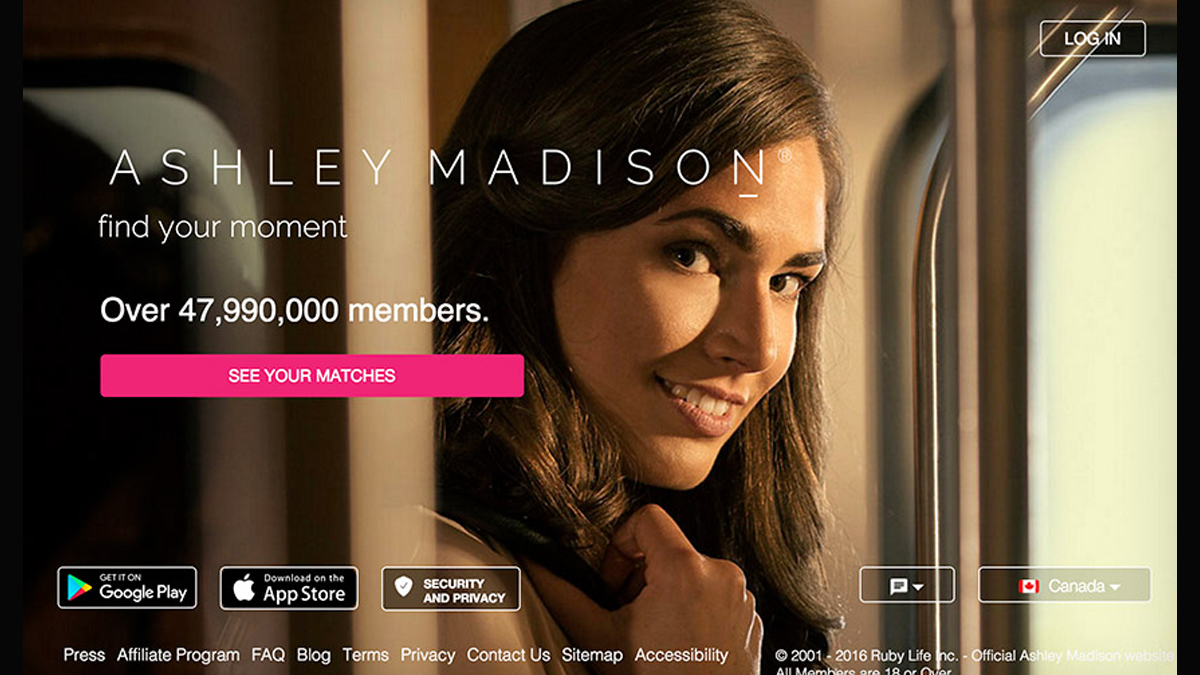
INDIA: Ashley Madison is shedding the “married-dating” label that defined it for two decades, repositioning itself as a platform for discreet dating in what it calls the post-social media age.
The rebrand, unveiled in India on 27 February, 2026, marks a structural shift in business model and identity. Once synonymous with married dating, the company now describes itself as the “premier destination for discreet dating” under a new tagline: Where Desire Meets Discretion.
The pivot is data-driven. Internal figures show that 57 per cent of global sign-ups between 1 January and 31 December, 2025 identified as single: a notable departure from the platform’s married core. The company argues that its community has already evolved beyond its original positioning.

“In an age where our lives have been constantly put on public display, privacy has become the new luxury,” said Ashley Madison chief strategy officer Paul Keable. He framed the platform’s offering as “ethical discretion” for singles, separated, divorced and non-monogamous users seeking private connections.
The shift also taps into wider digital fatigue. A global survey conducted by YouGov for Ashley Madison, covering 13,071 adults across Australia, Brazil, Canada, Germany, India, Italy, Mexico, Spain, Switzerland, the UK and the US, found mounting discomfort with hyper-public online lives.
Among dating app users, 30 per cent cited constant swiping and messaging as a source of fatigue, while 24 per cent pointed to pressure to curate public-facing profiles and early personal disclosure. Some 27 per cent said fears of screenshots or information being shared contributed to exhaustion; an equal share cited unwanted attention.
The retreat from oversharing appears broader. According to the survey, 46 per cent of adults actively try to keep most aspects of their life private online. Only 8 per cent feel comfortable sharing most aspects publicly, while 35 per cent say they are becoming more selective about what they disclose.
Ashley Madison is betting that this cultural recalibration towards controlled visibility can be monetised. By doubling down on privacy infrastructure and reframing itself around discretion rather than infidelity, the company is attempting to convert reputational baggage into a premium proposition.






