Applications
OneAlliance, Neo rework distribution deal

MUMBAI: Soon after MSM Discovery terminated its distribution pact with Neo Sports Broadcast, the two companies have reworked a fresh deal that would reduce the payout to the sports broadcaster as it had lost the rights to telecast international cricket played in India.
Though the financials have not been disclosed, sources familiar with the development said the new agreement is effective only for a year with the option to renew it. The deal was signed last week and has come into effect from 4 January.
Indiantelevision.com had first reported that MSM Discovery (which operates under TheOneAlliance brand) had terminated its distribution deal with Neo Sports Broadcast on 3 January. Neo Sports Broadcast operates two channels, Neo Cricket and Neo Sports.
Sony Entertainment Television India (now called MSM) had agreed in mid-2010 to pay a minimum guarantee of Rs 2.7 billion net for the three-year distribution of Neo Cricket and Neo Sports.
“The need to thrash out a fresh deal was because Neo lost the BCCI (Board of Control for Cricket in India) rights. The value of the old deal obviously needed to be brought down. By doing a one-year deal in new commercial terms, TheOneAlliance gains as its payout drops and it also gets to distribute sports channels that still have Euro Cup and Asian Cup as valuable properties,” a source said.
Neo will telecast Asia Cup (March 1-12), UEFA Euro 2012 (June 8 to July 1), French Open (May 27 to June 10) and World Series Hockey (February 29- April 2).
“TheOneAlliance will be able to strengthen its third bouquet that had would been weak without the two sports channels. Their collections on the ground will improve,” said the head of a leading multisystem operator (MSO) who did not want his name to be revealed.
TheOneAlliance bouquet also has the Indian Premier League (IPL) content which will be broadcast exclusively on Max.
Said MSM Discovery president Rajesh Kaul, “The sports genre has always been a strong growth driver. We are happy to welcome back Neo to TheOneAlliance bouquet. The blockbuster lineup on Neo channels coupled with DLF IPL on Max will ensure the bouquet is poised for further growth.”
For Neo, the one-year distribution deal will give it breathing space to strengthen its distribution team or weigh its partner on new terms.
“Neo, which is somewhat crippled by the loss of BCCI rights, will have time to rebuild and strengthen its properties. It has a strong distributor in TheOneAlliance and can decide on its future course of action after a year,” a media analyst said.
Also Read :
One Alliance terminates distribution deal with Neo Sports Broadcast

Applications
With 57 per cent single new users, Ashley Madison rebrands as discreet dating platform
Platform says majority of new members now identify as single
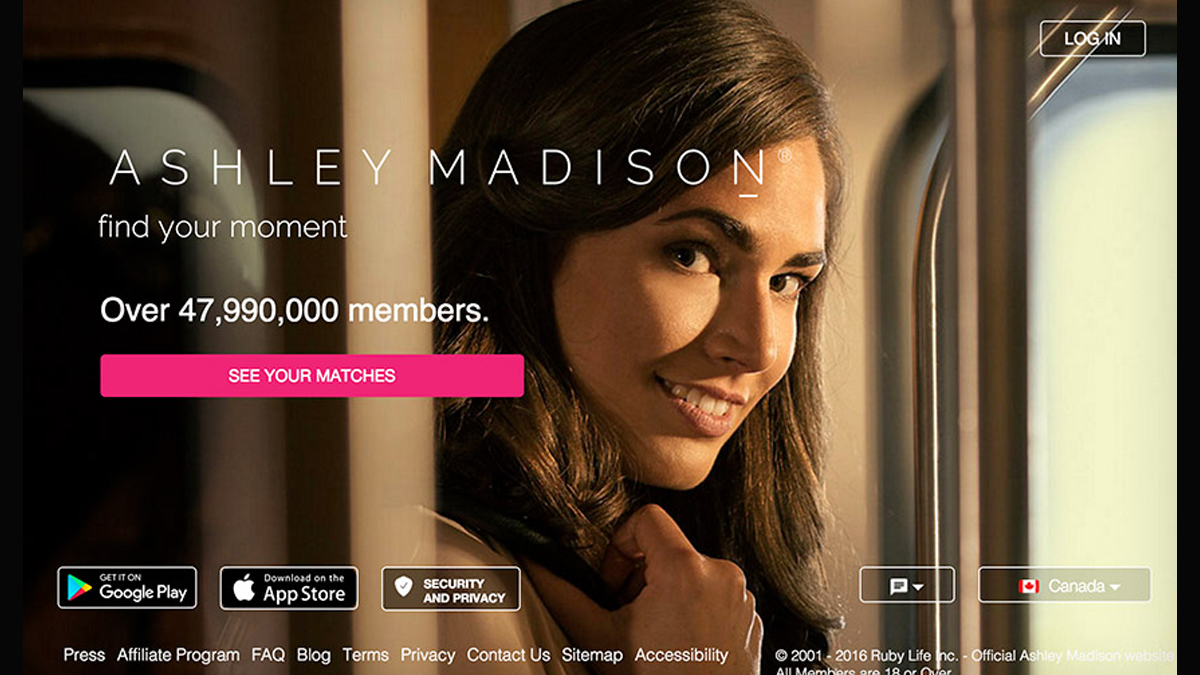
INDIA: Ashley Madison is shedding the “married-dating” label that defined it for two decades, repositioning itself as a platform for discreet dating in what it calls the post-social media age.
The rebrand, unveiled in India on 27 February, 2026, marks a structural shift in business model and identity. Once synonymous with married dating, the company now describes itself as the “premier destination for discreet dating” under a new tagline: Where Desire Meets Discretion.
The pivot is data-driven. Internal figures show that 57 per cent of global sign-ups between 1 January and 31 December, 2025 identified as single: a notable departure from the platform’s married core. The company argues that its community has already evolved beyond its original positioning.

“In an age where our lives have been constantly put on public display, privacy has become the new luxury,” said Ashley Madison chief strategy officer Paul Keable. He framed the platform’s offering as “ethical discretion” for singles, separated, divorced and non-monogamous users seeking private connections.
The shift also taps into wider digital fatigue. A global survey conducted by YouGov for Ashley Madison, covering 13,071 adults across Australia, Brazil, Canada, Germany, India, Italy, Mexico, Spain, Switzerland, the UK and the US, found mounting discomfort with hyper-public online lives.
Among dating app users, 30 per cent cited constant swiping and messaging as a source of fatigue, while 24 per cent pointed to pressure to curate public-facing profiles and early personal disclosure. Some 27 per cent said fears of screenshots or information being shared contributed to exhaustion; an equal share cited unwanted attention.
The retreat from oversharing appears broader. According to the survey, 46 per cent of adults actively try to keep most aspects of their life private online. Only 8 per cent feel comfortable sharing most aspects publicly, while 35 per cent say they are becoming more selective about what they disclose.
Ashley Madison is betting that this cultural recalibration towards controlled visibility can be monetised. By doubling down on privacy infrastructure and reframing itself around discretion rather than infidelity, the company is attempting to convert reputational baggage into a premium proposition.






