Applications
Neha Dhupia defeats Laxman at launch of Zapak IGC 2010

NEW DELHI: It was not really a match that he should have lost, particularly after she admitted she was a bad driver. But cricket ace VVS Laxman lost a Zapak online car racing game to actress Neha Dhupia.
The match between the two marked the launching of the Gillete Mach3 India Gaming Championship (IGC) in association with Zapak for the second season after successful run in 2009.
While expressing joy at defeating Laxman, she said playing games online was a fetish that many actors possessed as their work put them under a lot of strain. She was confident that IGC 2010 would soon become the leader in online games in the country.
Laxman said he preferred playing Hozzat! which was about cricket, the game he loved most – on and off the field. He found the game to be a stress reliever.
Both agreed that the message of online games like IGC was one about encouraging sportsman spirit. And even as she said she should not be judged by the way she played her game, she claimed she was far better in acting.
Zapak Digital Entertainment CMO Arun Mehra said the game had attracted 1.6 million players in 2009. “With over 7 million registered users, Zapak.com has started a gaming revolution in India in less than three years of its inception. The Gillette Mach 3 India Gaming Championship 2010 will expand to 34 cities from the previous eight, marking its strong presence across the country.”
The Gillette Mach3 India Gaming Championship 2010 is based on the idea “Be a winner, Change your World”. The lucky winners are entitled to receive prizes worth Rs 15 million.
Commenting on the launch of Gillette Mach3 India Gaming Championship, Gillette India Marketing Manager Sharat Verma said, “Last year the India Gaming Championship was such a phenomenal success that we have once again partnered with Zapak to bring out the Gillette Mach3 IGC 2010, giving all sports enthusiasts across the country a chance to try their games online and live the passion themselves. Our aim is to make the Gillette Mach3 India Gaming Championship ‘10 – the biggest in the world.”

Applications
With 57 per cent single new users, Ashley Madison rebrands as discreet dating platform
Platform says majority of new members now identify as single
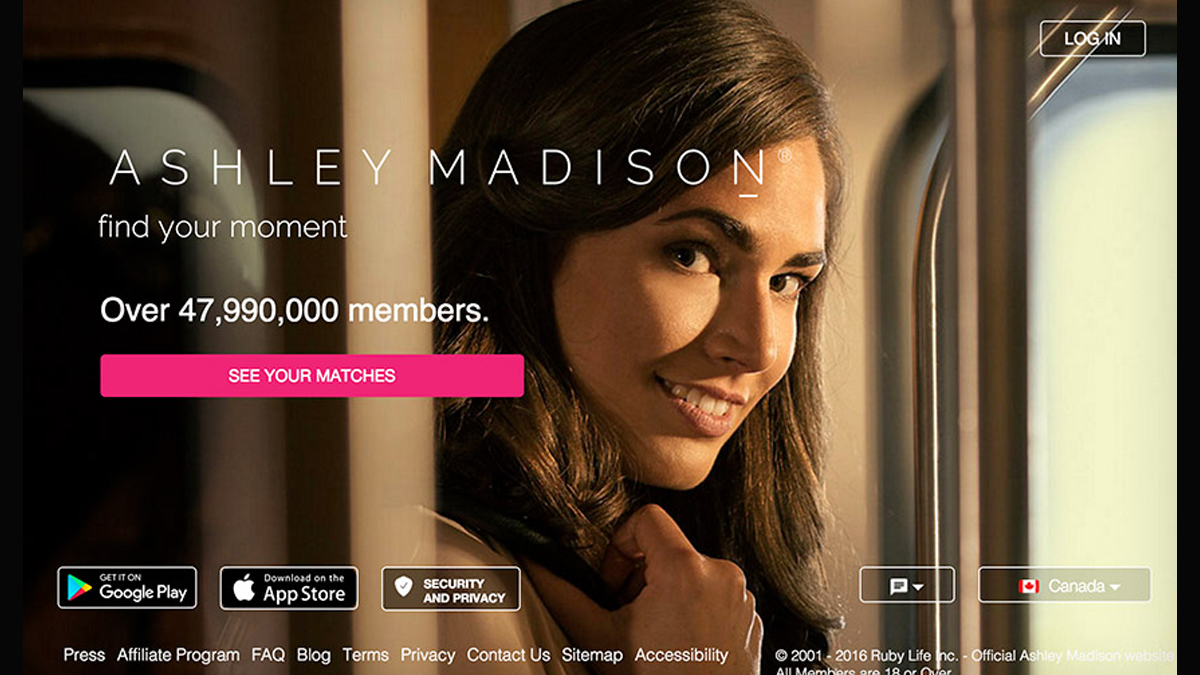
INDIA: Ashley Madison is shedding the “married-dating” label that defined it for two decades, repositioning itself as a platform for discreet dating in what it calls the post-social media age.
The rebrand, unveiled in India on 27 February, 2026, marks a structural shift in business model and identity. Once synonymous with married dating, the company now describes itself as the “premier destination for discreet dating” under a new tagline: Where Desire Meets Discretion.
The pivot is data-driven. Internal figures show that 57 per cent of global sign-ups between 1 January and 31 December, 2025 identified as single: a notable departure from the platform’s married core. The company argues that its community has already evolved beyond its original positioning.

“In an age where our lives have been constantly put on public display, privacy has become the new luxury,” said Ashley Madison chief strategy officer Paul Keable. He framed the platform’s offering as “ethical discretion” for singles, separated, divorced and non-monogamous users seeking private connections.
The shift also taps into wider digital fatigue. A global survey conducted by YouGov for Ashley Madison, covering 13,071 adults across Australia, Brazil, Canada, Germany, India, Italy, Mexico, Spain, Switzerland, the UK and the US, found mounting discomfort with hyper-public online lives.
Among dating app users, 30 per cent cited constant swiping and messaging as a source of fatigue, while 24 per cent pointed to pressure to curate public-facing profiles and early personal disclosure. Some 27 per cent said fears of screenshots or information being shared contributed to exhaustion; an equal share cited unwanted attention.
The retreat from oversharing appears broader. According to the survey, 46 per cent of adults actively try to keep most aspects of their life private online. Only 8 per cent feel comfortable sharing most aspects publicly, while 35 per cent say they are becoming more selective about what they disclose.
Ashley Madison is betting that this cultural recalibration towards controlled visibility can be monetised. By doubling down on privacy infrastructure and reframing itself around discretion rather than infidelity, the company is attempting to convert reputational baggage into a premium proposition.






