Applications
Movie distribution on web waiting to be monetised

MUMBAI: “The internet is the first thing humanity has built that it doesn‘t understand.” – Google CEO Eric Schmidt Humanity might be still figuring out the intricacies of the web, and panel discussion on digital entertainment tried to unlock the same at the ‘Movies-Screen Next!‘ session of the IAMAI Entertainment 2.0 conference here. A key observation was that, while movie makers are creating their own channels to bridge the gap between them and the traditional film-making community, a whole new domain of digital distribution is waiting to be monetised. |
Reliance Entertainment president Rajesh Sawhney kickstarted the discussion with some statistics. “A billion people out there are on the web, 40 per cent of which are using high speed internet. The significance of the web therefore is its pervasiveness and therein, lies a global opportunity – an audience that can be tapped,” he said. Shringar Cinemas Ltd MD Shravan Shroff gave the exhibitor‘s perspective about the impact of the web. He pointed out that a segment of audience from cities with a number of BPOs, IT companies had taken to e-ticketing in a big way. “20 per cent of our total ticket sales come from the internet,” he said. Shemaroo director Jai Maroo observed that an entire economics of digital entertainment had emerged which involved content creation, aggregation and licensing for the web. He, however, pointed out that the end consumer was oblivious to the back-end technology. “The viewer wants entertainment, information and most importantly, interactivity,” he said. Maroo further added, “The new media distribution partner must be equipped with the know-how to put the best quality content across the globe. It must provide marketing and promotional activity and also take care of the legalities involved.” |
People Pictures CEO Aditya Shastri asserted, “Today‘s new media technology has made it possible for the consumer to view content in his desired ambience of consumption. The web and mobile are, therefore, significant opportunities which will be comparable to the likes of home-video and theatrical screenings in the next 10-15 years in India.” Akamai Technologies product marketing head Tarun Bangari threw light on the revenue model on the web. “The ad driven model will continue to dominate. A Jupiter research suggests that 80 per cent of audiences are willing to consume ad supported content, if it is free.” However, he pointed that the web will deliver efficiently for independent film-makers and small producers. Agreeing with him, Nautanki.tv co-founder and CEO Sunil Nair said, “On Nautanki.tv, a one-hour long documentary on Olive Ridley turtles received eight lakh views. 85 per cent of this consumption happened from offices with reliable broadband lines. I think its high time for production houses to see internet as a force to reckon with.” |

Applications
With 57 per cent single new users, Ashley Madison rebrands as discreet dating platform
Platform says majority of new members now identify as single
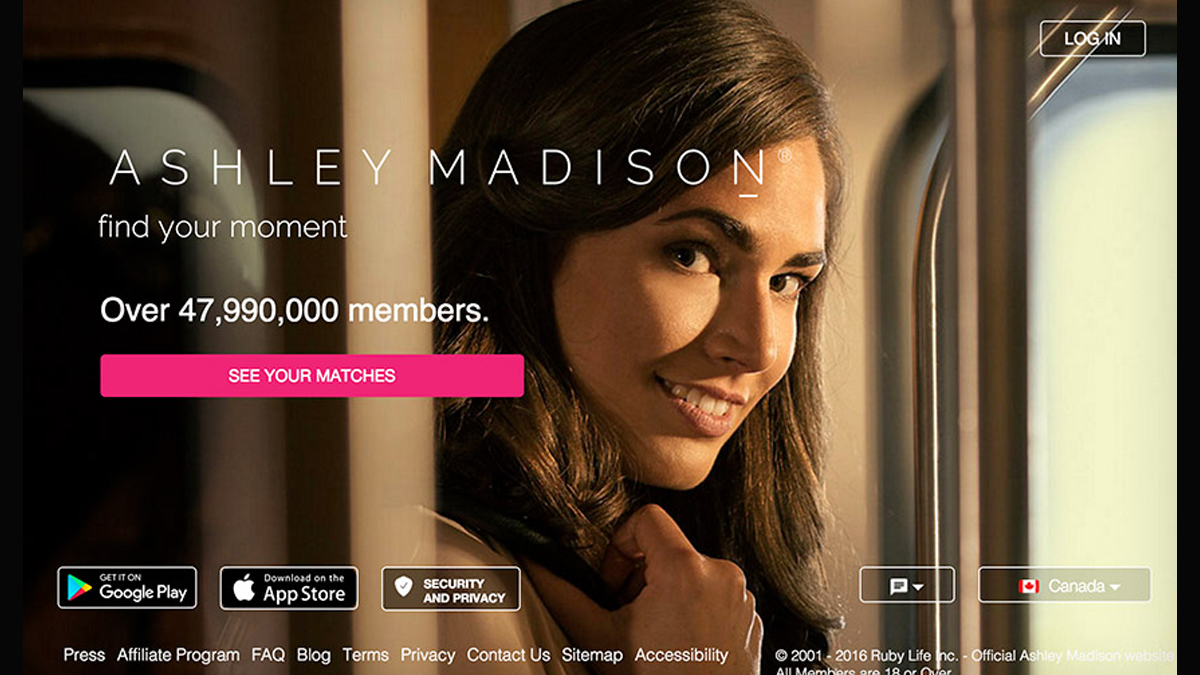
INDIA: Ashley Madison is shedding the “married-dating” label that defined it for two decades, repositioning itself as a platform for discreet dating in what it calls the post-social media age.
The rebrand, unveiled in India on 27 February, 2026, marks a structural shift in business model and identity. Once synonymous with married dating, the company now describes itself as the “premier destination for discreet dating” under a new tagline: Where Desire Meets Discretion.
The pivot is data-driven. Internal figures show that 57 per cent of global sign-ups between 1 January and 31 December, 2025 identified as single: a notable departure from the platform’s married core. The company argues that its community has already evolved beyond its original positioning.

“In an age where our lives have been constantly put on public display, privacy has become the new luxury,” said Ashley Madison chief strategy officer Paul Keable. He framed the platform’s offering as “ethical discretion” for singles, separated, divorced and non-monogamous users seeking private connections.
The shift also taps into wider digital fatigue. A global survey conducted by YouGov for Ashley Madison, covering 13,071 adults across Australia, Brazil, Canada, Germany, India, Italy, Mexico, Spain, Switzerland, the UK and the US, found mounting discomfort with hyper-public online lives.
Among dating app users, 30 per cent cited constant swiping and messaging as a source of fatigue, while 24 per cent pointed to pressure to curate public-facing profiles and early personal disclosure. Some 27 per cent said fears of screenshots or information being shared contributed to exhaustion; an equal share cited unwanted attention.
The retreat from oversharing appears broader. According to the survey, 46 per cent of adults actively try to keep most aspects of their life private online. Only 8 per cent feel comfortable sharing most aspects publicly, while 35 per cent say they are becoming more selective about what they disclose.
Ashley Madison is betting that this cultural recalibration towards controlled visibility can be monetised. By doubling down on privacy infrastructure and reframing itself around discretion rather than infidelity, the company is attempting to convert reputational baggage into a premium proposition.








