Applications
LG earns Cablelabs certification for two-way interactive digital cable HDTV

MUMBAI: Paving the way to integrated digital cable-ready HDTVs with two-way interactive capability, LG Electronics recently showcased a TV platform in the US. |
The LG plasma HDTV has achieved certification status as Ocap-enabled interactive digital television set, including the multi-stream CableCard (M-Card) system, from a recently concluded certification by Cablelabs. LG‘s 42-inch OpenCable plasma HDTV set (42PC1DN) was honoured with a 2007 CES Innovations Award — features built-in Ocap technology, M-Card capabilities and interactive capabilities, as well as high-definition content and interactive services like Video-on-Demand and Pay-Per-View. The LG 42PC1DN has been honoured as a 2007 CES Innovations |
This retail device can connect directly to a local cable TV system, and receive current advanced interactive cable TV services, as well as be ready for future interactive applications –without the need for a separate digital set-top box (STB). Ultimately, a common US platform for delivering interactive cable applications would be enabled by implementing the OpenCable specification, a process in which LG is an active contributor. The company adds that it is committed to commercialising retail interactive digital cable-ready TVs and STBs to accelerate the rollout of OpenCable and Ocap across the North American Cable industry. LG says that it has now have advanced devices capable of receiving and displaying advanced cable services such as program guides and video-on-demand (Vod) without requiring separate cable STBs. In parallel with ongoing inter-industry standardisation efforts, it will continue working with the cable industry to commercialise this platform. LG‘s close collaboration with Cablelabs and cable TV operators has enabled the company to develop products that run cable services including an interactive programme guide, Vod and other interactive applications and services. “At the same time, LG is continuing to explore additional new features to maintain product leadership and be a market differentiator. |

Applications
With 57 per cent single new users, Ashley Madison rebrands as discreet dating platform
Platform says majority of new members now identify as single
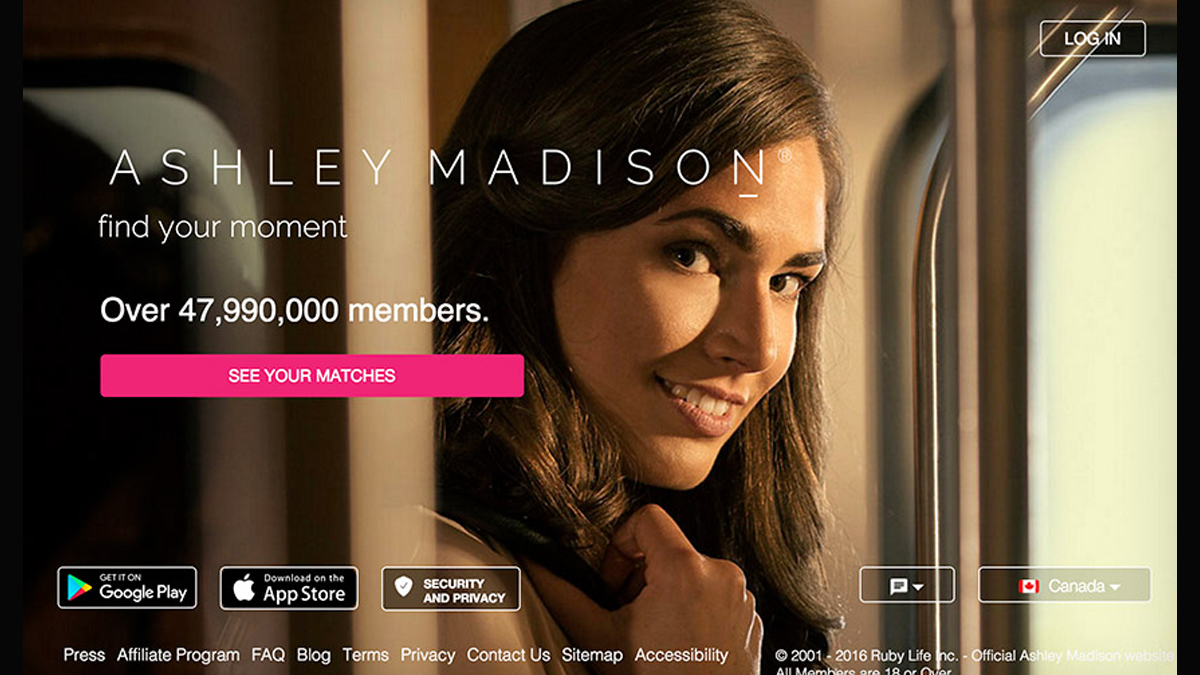
INDIA: Ashley Madison is shedding the “married-dating” label that defined it for two decades, repositioning itself as a platform for discreet dating in what it calls the post-social media age.
The rebrand, unveiled in India on 27 February, 2026, marks a structural shift in business model and identity. Once synonymous with married dating, the company now describes itself as the “premier destination for discreet dating” under a new tagline: Where Desire Meets Discretion.
The pivot is data-driven. Internal figures show that 57 per cent of global sign-ups between 1 January and 31 December, 2025 identified as single: a notable departure from the platform’s married core. The company argues that its community has already evolved beyond its original positioning.

“In an age where our lives have been constantly put on public display, privacy has become the new luxury,” said Ashley Madison chief strategy officer Paul Keable. He framed the platform’s offering as “ethical discretion” for singles, separated, divorced and non-monogamous users seeking private connections.
The shift also taps into wider digital fatigue. A global survey conducted by YouGov for Ashley Madison, covering 13,071 adults across Australia, Brazil, Canada, Germany, India, Italy, Mexico, Spain, Switzerland, the UK and the US, found mounting discomfort with hyper-public online lives.
Among dating app users, 30 per cent cited constant swiping and messaging as a source of fatigue, while 24 per cent pointed to pressure to curate public-facing profiles and early personal disclosure. Some 27 per cent said fears of screenshots or information being shared contributed to exhaustion; an equal share cited unwanted attention.
The retreat from oversharing appears broader. According to the survey, 46 per cent of adults actively try to keep most aspects of their life private online. Only 8 per cent feel comfortable sharing most aspects publicly, while 35 per cent say they are becoming more selective about what they disclose.
Ashley Madison is betting that this cultural recalibration towards controlled visibility can be monetised. By doubling down on privacy infrastructure and reframing itself around discretion rather than infidelity, the company is attempting to convert reputational baggage into a premium proposition.