Applications
Jean-Briac Perrette is Discovery chief digital officer

MUMBAI: US non fiction media company Discovery has announced the appointment of Jean-Briac (JB) Perrette as chief digital officer, effective 17 October.
Perrette most recently served as NBCUniversal president, digital and affiliate distribution and content distribution strategy.
Discovery president and CEO David Zaslav said, “JB is one of the top digital strategists in the media industry today and joins Discovery at an important time in our growth and development. We look forward to JB‘s leadership in taking Discovery to the next level of growth as we continue focusing on creating value, deepening engagement with more viewer sampling of our brands, and monetising our 25-year programming library across an increasing number of digital distribution platforms.”
Overseeing a combined team of more than 300 employees in his new position with Discovery, Perrette will lead the company‘s digital strategy, including Discovery‘s U.S. websites (including Discovery.com, TLC.com, and HowStuffWorks.com), Interactive Technology, Digital Operations and Programming group, and will lead digital distribution efforts with non-traditional affiliates (ex: Apple, Netflix, Amazon, etc). He will also be responsible for Discovery Commerce, including Licensing and Home Entertainment as well as Footage and Music Services.
Perrette said, “Discovery is the global leader in non-fiction content, with incredible brands and a world-class leadership team led by David, who I am excited to work with again. I look forward to expanding Discovery‘s presence in the digital space, finding new opportunities to earn value for its robust content and driving viewer engagement on all screens.”
In his most recent post at NBCUniversal, Perrette oversaw North American distribution of television and film content across digital platforms. He coordinated NBCU‘s overall content distribution strategy, and was responsible for NBC‘s broadcast network distribution. He also helped launch new digital channels Sleuth, Chiller and Universal HD and played a leadership role in developing the industry-leading digital venture, Hulu.

Applications
With 57 per cent single new users, Ashley Madison rebrands as discreet dating platform
Platform says majority of new members now identify as single
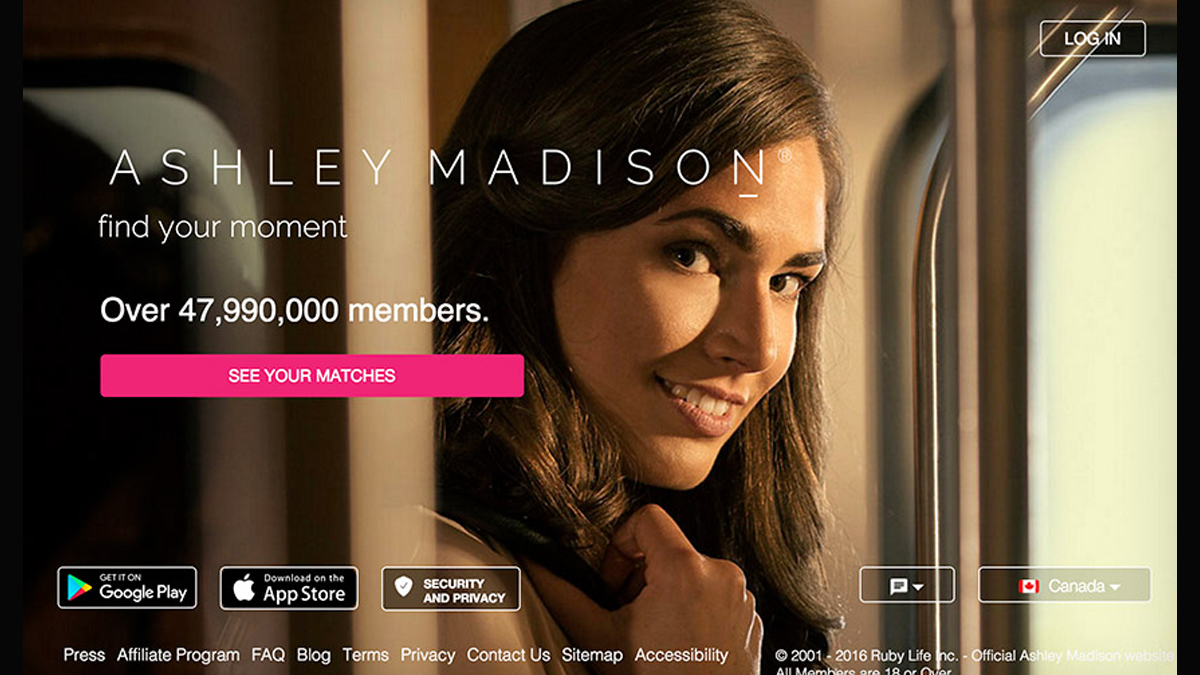
INDIA: Ashley Madison is shedding the “married-dating” label that defined it for two decades, repositioning itself as a platform for discreet dating in what it calls the post-social media age.
The rebrand, unveiled in India on 27 February, 2026, marks a structural shift in business model and identity. Once synonymous with married dating, the company now describes itself as the “premier destination for discreet dating” under a new tagline: Where Desire Meets Discretion.
The pivot is data-driven. Internal figures show that 57 per cent of global sign-ups between 1 January and 31 December, 2025 identified as single: a notable departure from the platform’s married core. The company argues that its community has already evolved beyond its original positioning.

“In an age where our lives have been constantly put on public display, privacy has become the new luxury,” said Ashley Madison chief strategy officer Paul Keable. He framed the platform’s offering as “ethical discretion” for singles, separated, divorced and non-monogamous users seeking private connections.
The shift also taps into wider digital fatigue. A global survey conducted by YouGov for Ashley Madison, covering 13,071 adults across Australia, Brazil, Canada, Germany, India, Italy, Mexico, Spain, Switzerland, the UK and the US, found mounting discomfort with hyper-public online lives.
Among dating app users, 30 per cent cited constant swiping and messaging as a source of fatigue, while 24 per cent pointed to pressure to curate public-facing profiles and early personal disclosure. Some 27 per cent said fears of screenshots or information being shared contributed to exhaustion; an equal share cited unwanted attention.
The retreat from oversharing appears broader. According to the survey, 46 per cent of adults actively try to keep most aspects of their life private online. Only 8 per cent feel comfortable sharing most aspects publicly, while 35 per cent say they are becoming more selective about what they disclose.
Ashley Madison is betting that this cultural recalibration towards controlled visibility can be monetised. By doubling down on privacy infrastructure and reframing itself around discretion rather than infidelity, the company is attempting to convert reputational baggage into a premium proposition.







