Applications
India is at cusp of digital revolution and HD adoption

MUMBAI: Frost and Sullivan recently hosted the Digital Media – India Summit 2011, which addressed the challenges of emerging technologies such as digital television, digital asset management, over-the-top (OTT) content distribution on the web and mobile media, cloud implementation in media-related services, and digital cinema.
India is at the cusp of a revolution in digital and high-definition (HD) adoption, with content companies and publishers seriously evaluating new media delivery alternatives as well as planning significant capital expenditures to upgrade their infrastructure over the next 3-5 years.
In the inaugural address at the Summit, former I&B joint secretary Arvind Kumar said, “Fortunately, now, there is a general consensus amongst all the stakeholders, from broadcasters to cable operators, that digitisation is the need of the hour and that it should be implemented in a time-bound manner. The Ministry in consultation with Trai has now finalised a way forward which includes amendments to the Cable Act, timelines for a four phased transition, increase in FDI limits and other incentives required to be given to the industry.”
Today, just about five per cent of the broadcast channels is transmitted in HD and a little over 30 per cent of the television households have access to digital television services in India.
Frost and Sullivan notes that India will be an emerging and potentially high-growth market for digital media companies in the next five years, though not without its share of challenges.
The challenges faced by this market include a slow regulatory process to define digitisation deadlines for cable multi system operators (MSOs) and broadcasters, inadequate drive among stakeholders to increase investments in digitisation, rapidly changing technologies in recent times that slow CAPEX decisions, and legacy of content on tape across various verticals.
Frost and Sullivan global industry manager digital media Vidya S Nath said, “The Indian digital story is dichotomous. On one hand, there are some cable MSOs and large broadcasters who understand and absorb the benefits of complete digitisation. They lead the industry from the front, trying to orchestrate a digital makeover for India, creating successful businesses. On the other hand, there are tens of thousands of cable operators and hundreds of broadcasters who perceive digitisation as a novel story with few returns.”
However, she believes that this industry still operates largely on “word of mouth” and that many companies are waking up to understand the benefits of advanced digital technologies and solutions.
Frost and Sullivan‘s research indicates that the biggest challenge is the legacy of tape and the requirement of rapid digitisation, along with efficient asset management solutions. End users in this market want a centralized content repository, fast and intuitive search, easy-to-use UI, seamless and collaborative workflows for creative and business aspects of digital media, asset security, ability to manage and transform the maximum possible media formats, meaningful analytics and reporting for asset workflows, and cross-channel content publishing, and monetization.
According to Frost and Sullivan, the world digital asset management market is expected to cross $530 million in 2011 and grow at over 20 per cent CAGR from 2011 to 2016. Cloud-based services are a fast-growing segment within this market, and Indian companies such as Tata Communications, Prime Focus Technologies, and Airtel are eyeing this space for future prospects.
Another trend that is fast catching up and is likely to change the dynamics of digital media in the Indian sub-continent is OTT or multimedia video consumption. With over 100 million Internet subscribers and about 900 million mobile subscribers, India exhibits a high usage of broadband/mobile-delivered content, prodding several content companies to capitalize on this media.
Frost & Sullivan‘s Digital Media – India Summit 2011 brought together people from a spectrum of the industry to discuss myriad topics such as asset management, cloud-based services, OTT video delivery, digital cinema technologies, and key areas for investment opportunities for emerging digital technology companies.

Applications
With 57 per cent single new users, Ashley Madison rebrands as discreet dating platform
Platform says majority of new members now identify as single
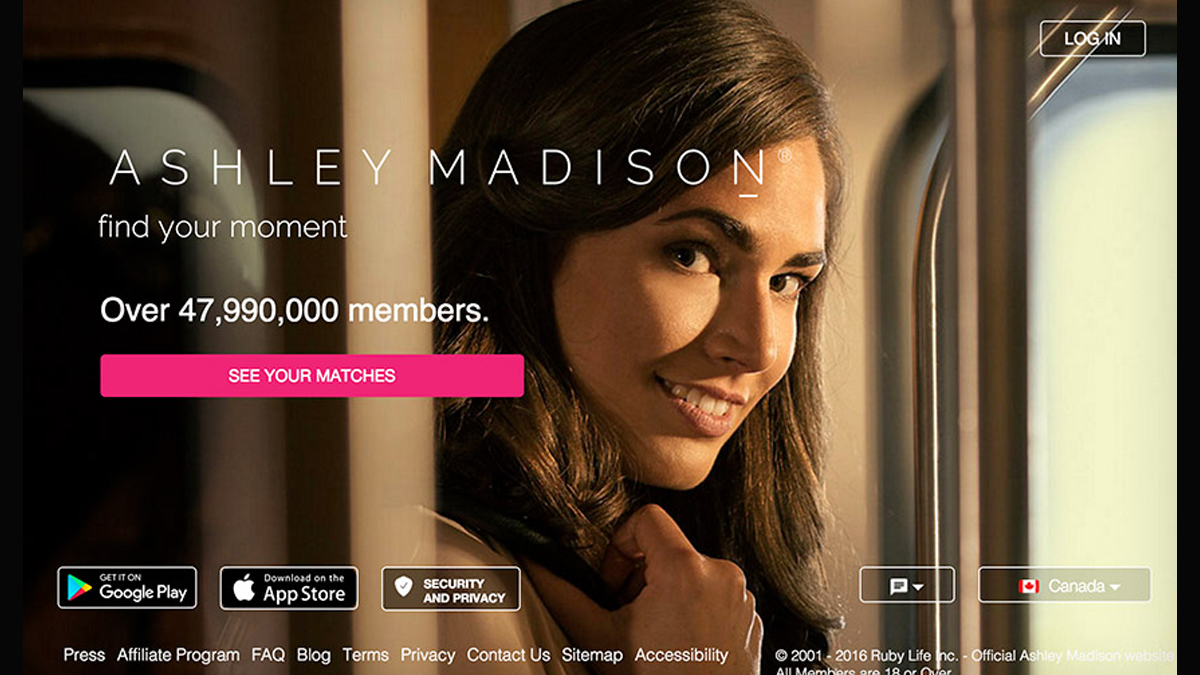
INDIA: Ashley Madison is shedding the “married-dating” label that defined it for two decades, repositioning itself as a platform for discreet dating in what it calls the post-social media age.
The rebrand, unveiled in India on 27 February, 2026, marks a structural shift in business model and identity. Once synonymous with married dating, the company now describes itself as the “premier destination for discreet dating” under a new tagline: Where Desire Meets Discretion.
The pivot is data-driven. Internal figures show that 57 per cent of global sign-ups between 1 January and 31 December, 2025 identified as single: a notable departure from the platform’s married core. The company argues that its community has already evolved beyond its original positioning.

“In an age where our lives have been constantly put on public display, privacy has become the new luxury,” said Ashley Madison chief strategy officer Paul Keable. He framed the platform’s offering as “ethical discretion” for singles, separated, divorced and non-monogamous users seeking private connections.
The shift also taps into wider digital fatigue. A global survey conducted by YouGov for Ashley Madison, covering 13,071 adults across Australia, Brazil, Canada, Germany, India, Italy, Mexico, Spain, Switzerland, the UK and the US, found mounting discomfort with hyper-public online lives.
Among dating app users, 30 per cent cited constant swiping and messaging as a source of fatigue, while 24 per cent pointed to pressure to curate public-facing profiles and early personal disclosure. Some 27 per cent said fears of screenshots or information being shared contributed to exhaustion; an equal share cited unwanted attention.
The retreat from oversharing appears broader. According to the survey, 46 per cent of adults actively try to keep most aspects of their life private online. Only 8 per cent feel comfortable sharing most aspects publicly, while 35 per cent say they are becoming more selective about what they disclose.
Ashley Madison is betting that this cultural recalibration towards controlled visibility can be monetised. By doubling down on privacy infrastructure and reframing itself around discretion rather than infidelity, the company is attempting to convert reputational baggage into a premium proposition.






