Applications
Implement Cas in the entire metros: MSOs, LCOs to Trai and ministry

NEW DELHI: A consensus has emerged among all MSOs and LCOs at the first meeting between them and the Telecom Regulatory Authority of India that Cas should be extended to the entire areas of the three metros and notification should be issued simultaneously even if the implementation is phase-wise. Most MSOs and LCOs wanted that the implementation should be done within the next six months, latest, so that the MSOs, LCOs as well as STB manufacturers have adequate time to get prepared well in advance and there are no hiccups, as happened in the first phase of implementation in southern parts of the three metros. Sources said that though there have been demands also that the extension of Cas should include not just the entire areas of the metros, but adjoining areas as well, Trai reportedly held that it will first e done in the metros only. |
Most players felt that already other platforms have made deep inroads and the cable industry would be damaged beyond repair if the extension is delayed. The meeting discussed various issues, but central was the issue of zoning and timing, with most of the 125 participants from Mumbai and Delhi (for Chennai, only the Nodal Officer had come) not willing to wait beyond a few months from now, and informed the officials that they were ready to do what it takes to implement Cas in these extended areas. Mansukhani held also that if zonalisation is done, there should be rezoning, as the zones as they exist now represent 2003 realities, and the present day demographics have changed vastly and this should be taken into account for demarcating zones afresh. |
MSO Alliance feels that since regulations are in place already, the time taken to implement Cas in the first phase won‘t be needed, hence, the implementation should be done in 90 days. One argument proferred for a longer implementation time was that newer MSOs would like to come in after extension is announced and they would need more time. However, Mansukhani held for the Alliance that the newer players could come in as and when they are ready and this should not stop existing licensed MSOs from starting to operate in the extended areas. He said also that the existing MSOs should not be asked to go for fresh registration for rolling out Cas in the extended areas, since they are already registered. The Alliance also felt that there should be customer awareness in place and in the second phase, billing and customer choice should be built it. The participants felt that even if the implementation is done in phases, it is utmost necessary to announce all the dates for the subsequent phases simultaneously, as this alone would remove the uncertainty and STB procurement, either my local manufacturers or through import would know how much to produce or import. Two very important demands were raised, one by the All India Cable Operators Federation and by the Alliance. The Alliance has demanded that level playing field must be created on the issue of rentals, and if the programme of Cas STBs on rent is kept intact, then the DTH operators would also have to be asked to offer boxes on rent. The problem is that once the boxes are given on rental, the MSOs find it difficult to repay the manufacturers, because they get back the price of boxes back in five years, as is now happening. So, if there is the scheme of rental, it should apply to both Cas and DTH operators. Roop Sharma of the Federation, on the other hand, demanded that the distributors, who “are fleecing both the MSOs and LCOs, must be straightened out and eliminated. “They are taking signals from more than one MSO and the same situation as existed earlier is facing us. This must be stopped,” she said. “They are creating vertical monopoly and are the root of the ills we are facing,” she stressed. Arvind Mohan of WWIL has given the formula, which reportedly a lot of MSOs and LCOs supported, stating that the metros should be divided into three more zones each and these should be put up in the Trai website, so that consultation can start about which would be the first in the extension phase in each city to start rolling out Cas. In any case, WWIL has said that all the zones and the implementation time for each of them must be announced simultaneously. “The first zone selected should start rolling out Cas six months from Zero Date, or day of announcement, the second zone should start work in the seventh month and the third by the eighth month,” Mohan has suggested. “Announce the dates right now and let us start implementing from month six,” Mohan has said. Roop Sharma too has demanded likewise. “There is already too much pressure on us due to the DTH players, and if zone-wise dates are not announced all together, the market uncertainties would remain and finish off the cable industry,” she explained. If the dates are announced at one go, manufacturers would be able to procure or manufacture STBs in bulk and growth in assured demand would lead to bringing down the STB prices drastically, she held. Sharma wants extended rollout to be over four zones and stretched over six months at the most, and dates must be announced for all zones simultaneously, echoing the consistent demand of the players. She said that the logic behind asking for phase-wise rollout is that it takes time for seeding boxes and inputting data from each filled form, so if the entire cities are to be implemented at one go, instead of phases, the operators would be chocked and there would be problems in implementation. The Nodal Officers present at the meeting have reportedly said that Cas implementation has been largely successful, barring a few teething problems, which Arvind Mohan said would naturally be there in the extension phase. Apart from RN Choubey, Advisor (S&CB), Trai, senior officials from I&B ministry were also present at the meeting |

Applications
With 57 per cent single new users, Ashley Madison rebrands as discreet dating platform
Platform says majority of new members now identify as single
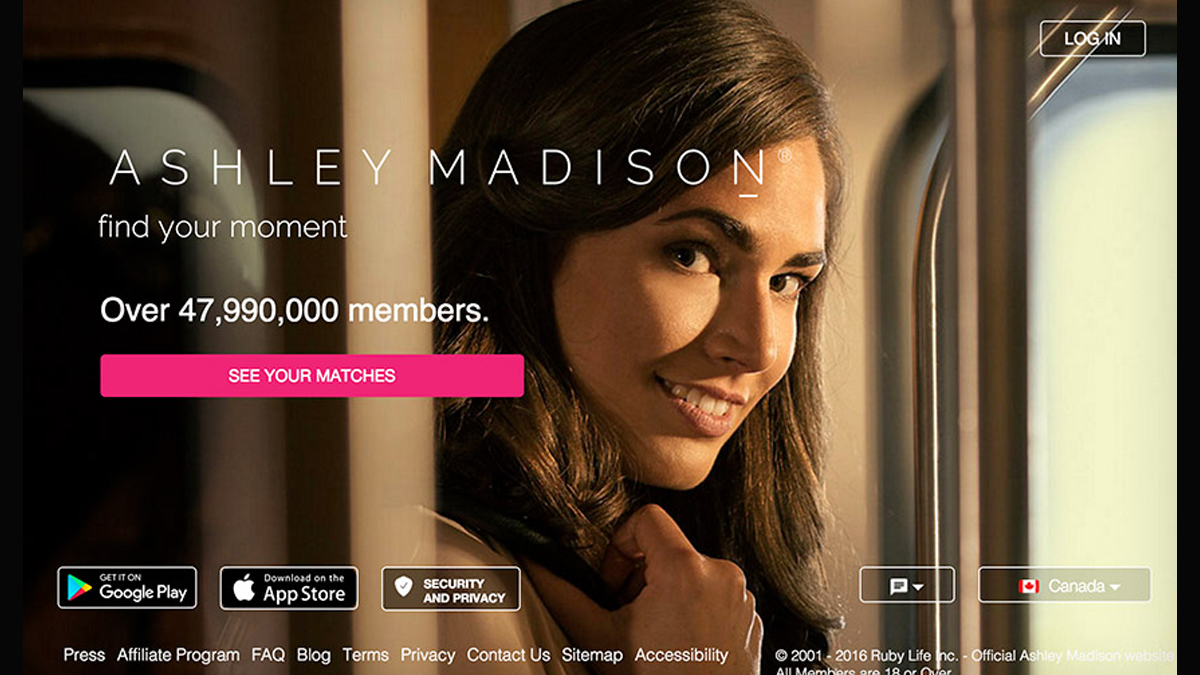
INDIA: Ashley Madison is shedding the “married-dating” label that defined it for two decades, repositioning itself as a platform for discreet dating in what it calls the post-social media age.
The rebrand, unveiled in India on 27 February, 2026, marks a structural shift in business model and identity. Once synonymous with married dating, the company now describes itself as the “premier destination for discreet dating” under a new tagline: Where Desire Meets Discretion.
The pivot is data-driven. Internal figures show that 57 per cent of global sign-ups between 1 January and 31 December, 2025 identified as single: a notable departure from the platform’s married core. The company argues that its community has already evolved beyond its original positioning.

“In an age where our lives have been constantly put on public display, privacy has become the new luxury,” said Ashley Madison chief strategy officer Paul Keable. He framed the platform’s offering as “ethical discretion” for singles, separated, divorced and non-monogamous users seeking private connections.
The shift also taps into wider digital fatigue. A global survey conducted by YouGov for Ashley Madison, covering 13,071 adults across Australia, Brazil, Canada, Germany, India, Italy, Mexico, Spain, Switzerland, the UK and the US, found mounting discomfort with hyper-public online lives.
Among dating app users, 30 per cent cited constant swiping and messaging as a source of fatigue, while 24 per cent pointed to pressure to curate public-facing profiles and early personal disclosure. Some 27 per cent said fears of screenshots or information being shared contributed to exhaustion; an equal share cited unwanted attention.
The retreat from oversharing appears broader. According to the survey, 46 per cent of adults actively try to keep most aspects of their life private online. Only 8 per cent feel comfortable sharing most aspects publicly, while 35 per cent say they are becoming more selective about what they disclose.
Ashley Madison is betting that this cultural recalibration towards controlled visibility can be monetised. By doubling down on privacy infrastructure and reframing itself around discretion rather than infidelity, the company is attempting to convert reputational baggage into a premium proposition.








