Applications
Hathway reduces losses in Q4; improves FY 2010 show

MUMBAI: Hathway Cable & Datacom, which had raised Rs 4.80 billion this year via its initial public offering (IPO), has come out with a mixed bag of results to show for FY ‘10.
For the whole fiscal, the MSO (multi system operator) has managed to reduce its net loss to Rs 815.50 million, from Rs 1.06 billion in previous fiscal. Its bottomline was eroded to a certain extent thanks to higher amortisation and depreciation costs at Rs 899.64 million up from Rs 816.61 million, in the previous year.
Hathway‘s net income for the fiscal stood almost flat at Rs 4 billion, as compared to Rs 3.96 billion a year ago, a marginal increase of 1.1 per cent
Hathway has also managed to reduce its expenditure this financial year. Another positive sign for the company is that profit before interest, other income, depreciation and exceptional items at Rs 705.1 million has increased by 8.7 per cent.
The company disclosed that it has so far utilised Rs 105.6 million of the IPO proceeds, while Rs 4.10 billion has been invested in mutual funds and the rest is deposited with banks.
The depreciation, amortisation and impairment expenditure of the company at Rs 899.65 million is very high, and has in fact gone up from last year by approximately Rs 80 million.
The company noted that it has suffered a major setback in Chennai, where it lost subscribers to competition because of “unforeseen conditions,” leaving it to recover its equipments.
For the quarter ended 31 March 2010, Hathway posted a net loss of Rs 99.34 million, on an income of Rs 987 million. If it continues with this performance, its profit & loss statement is likely to be stained a little less red by the time the current fiscal ends.
The company has Rs 4.1 billion in mutual funds, which if their NAVs rise could be a major contributing factor to its other income in the coming quarter, and may prove to be its turning point. However, one has to wait and watch how the markets and the company‘s investments perform, before drawing any conclusions.
A profit of Rs 55.8 million after depreciation for the last quarter of fiscal 2010 is also a good sign for the company, and apparently investors are playing a wait and watch game, irrespective of the overall losses sustained by it. The Hathway closing price on Friday 14 May was Rs 205.90.

Applications
With 57 per cent single new users, Ashley Madison rebrands as discreet dating platform
Platform says majority of new members now identify as single
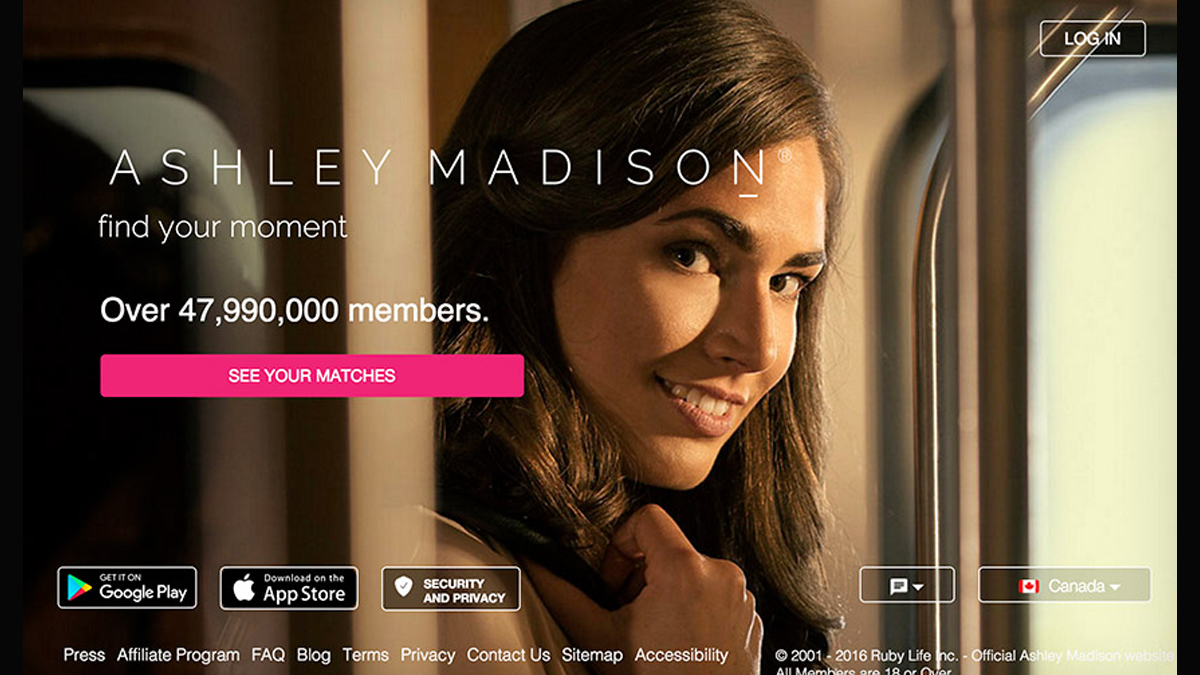
INDIA: Ashley Madison is shedding the “married-dating” label that defined it for two decades, repositioning itself as a platform for discreet dating in what it calls the post-social media age.
The rebrand, unveiled in India on 27 February, 2026, marks a structural shift in business model and identity. Once synonymous with married dating, the company now describes itself as the “premier destination for discreet dating” under a new tagline: Where Desire Meets Discretion.
The pivot is data-driven. Internal figures show that 57 per cent of global sign-ups between 1 January and 31 December, 2025 identified as single: a notable departure from the platform’s married core. The company argues that its community has already evolved beyond its original positioning.

“In an age where our lives have been constantly put on public display, privacy has become the new luxury,” said Ashley Madison chief strategy officer Paul Keable. He framed the platform’s offering as “ethical discretion” for singles, separated, divorced and non-monogamous users seeking private connections.
The shift also taps into wider digital fatigue. A global survey conducted by YouGov for Ashley Madison, covering 13,071 adults across Australia, Brazil, Canada, Germany, India, Italy, Mexico, Spain, Switzerland, the UK and the US, found mounting discomfort with hyper-public online lives.
Among dating app users, 30 per cent cited constant swiping and messaging as a source of fatigue, while 24 per cent pointed to pressure to curate public-facing profiles and early personal disclosure. Some 27 per cent said fears of screenshots or information being shared contributed to exhaustion; an equal share cited unwanted attention.
The retreat from oversharing appears broader. According to the survey, 46 per cent of adults actively try to keep most aspects of their life private online. Only 8 per cent feel comfortable sharing most aspects publicly, while 35 per cent say they are becoming more selective about what they disclose.
Ashley Madison is betting that this cultural recalibration towards controlled visibility can be monetised. By doubling down on privacy infrastructure and reframing itself around discretion rather than infidelity, the company is attempting to convert reputational baggage into a premium proposition.






