Applications
Govt favours 3-tier regulation for broadcasting sector: Zohra

NEW DELHI: The Government is in favour of a three-tier system for regulating broadcasting in the country – self-regulation by the channels, adjudication by broadcasting bodies like the Indian Broadcasting Foundation or the News Broadcasters Association, and final intervention if necessary by an independent regulator. Stating this, Information and Broadcasting Ministry Joint Secretary (Broadcasting) Zohra Chatterjee said today that while the government did not want to regulate and wanted an independent regulator, there was unfortunately lack of support from the media which only wanted self-regulation and this was often not workable. |
However, she said the government was concerned about promoting digitisation and offering greater value added services to the consumer through this mode. Addressing the India Digital Networks Summit (IDNS), organised jointly by Indiantelevision.com and Media Partners Asia, she said the government had set a deadline of 2017 for the national broadcaster Doordarshan to go completely digital and switch off analogue. She was also in favour of a voluntary switch-over to digitisation within two years. She was not in favour of switching off analogue till what she termed as ‘the sunset hour’. Zohra said mandated conditional access system (Cas) for TV had also not taken off. She regretted that the billing system for Cas was not satisfactory. However, she hoped that the HITS policy (Head-end in the Sky), to be announced within the next few months, would help as that would speed up the digitisation process. This will also help all channels to reach rural areas, instead of just Doordarshan which was the country’s only terrestrial channel. She said the government was considering certain amendments in the Cable TV Networks (Regulation) Act 1995 to check malpractices like under-declaration and violation of piracy by placing provision for de-registration and penalties wherever necessary. The Government has a three-tier monitoring process: there were certain authorised officers under the Act, District Monitoring Committees had been put in place, and there was an Inter-Ministerial Committee at the centre headed by the Additional Secretary in the I&B Ministry. Zohra wanted the broadcasters to conduct consumer awareness workshops to help the switch over to CAS or digital networks. The Telecom Regulatory Authority of India (Trai) member R N Prabhakar said the sector regulator was for the first time carrying out a thorough exercise into the business models of broadcasters and the entire gamut of television and cable services, and would come out with comprehensive recommendations on various issues. “The stakeholders are yet to give us all the details that would help us in getting a fix on costs and coming out with a comprehensive policy,” said Prabhakar. Noting that the Indian cable and TV industry in the country had become one of the fastest growing industries in the world, he regretted that it was marred by disputes relating to actual subscriber base, poor quality of service, and inadequate consumer redressal mechanism. The non-availability of sophisticated data, lack of supervisory guidance, and unorganized development of cable TV service were some of the roadblocks to explore its full potential. Trai had, therefore, recommended a well-defined robust and supporting licensing framework to restructure the Cable TV services, suggesting a roadmap for ensuring effective licensing compliance, attracting investment and facilitate new value added services. |

Applications
With 57 per cent single new users, Ashley Madison rebrands as discreet dating platform
Platform says majority of new members now identify as single
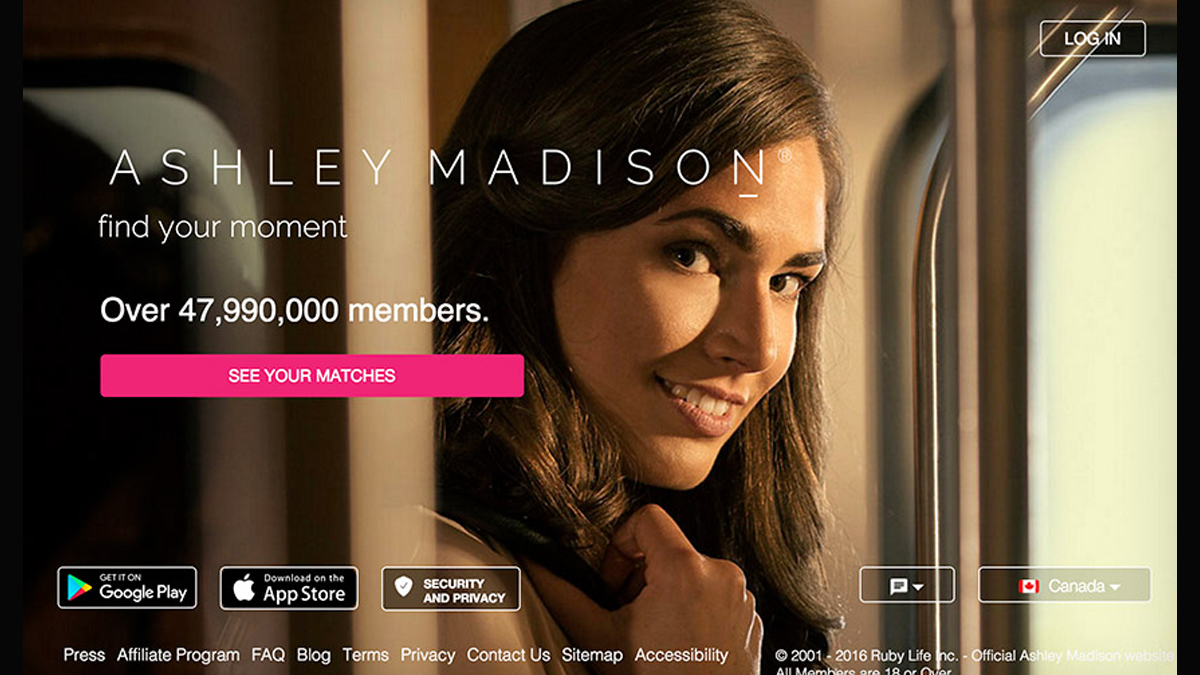
INDIA: Ashley Madison is shedding the “married-dating” label that defined it for two decades, repositioning itself as a platform for discreet dating in what it calls the post-social media age.
The rebrand, unveiled in India on 27 February, 2026, marks a structural shift in business model and identity. Once synonymous with married dating, the company now describes itself as the “premier destination for discreet dating” under a new tagline: Where Desire Meets Discretion.
The pivot is data-driven. Internal figures show that 57 per cent of global sign-ups between 1 January and 31 December, 2025 identified as single: a notable departure from the platform’s married core. The company argues that its community has already evolved beyond its original positioning.

“In an age where our lives have been constantly put on public display, privacy has become the new luxury,” said Ashley Madison chief strategy officer Paul Keable. He framed the platform’s offering as “ethical discretion” for singles, separated, divorced and non-monogamous users seeking private connections.
The shift also taps into wider digital fatigue. A global survey conducted by YouGov for Ashley Madison, covering 13,071 adults across Australia, Brazil, Canada, Germany, India, Italy, Mexico, Spain, Switzerland, the UK and the US, found mounting discomfort with hyper-public online lives.
Among dating app users, 30 per cent cited constant swiping and messaging as a source of fatigue, while 24 per cent pointed to pressure to curate public-facing profiles and early personal disclosure. Some 27 per cent said fears of screenshots or information being shared contributed to exhaustion; an equal share cited unwanted attention.
The retreat from oversharing appears broader. According to the survey, 46 per cent of adults actively try to keep most aspects of their life private online. Only 8 per cent feel comfortable sharing most aspects publicly, while 35 per cent say they are becoming more selective about what they disclose.
Ashley Madison is betting that this cultural recalibration towards controlled visibility can be monetised. By doubling down on privacy infrastructure and reframing itself around discretion rather than infidelity, the company is attempting to convert reputational baggage into a premium proposition.






