Applications
Google, Viacom faceoff continues

MUMBAI: The standoff between US media conglomerate Viacom and the world‘s most valuable media firm Google over the latter‘s social netwoking video site Youtube shows no signs of abating. It was in March that Viacom sued Google for massive intentional copyright infringement of Viacom’s entertainment properties. The suit seeks more than $1 billion in damages, as well as an injunction prohibiting Google and YouTube from further copyright infringement. |
Google has now responded to the suit. Google has denied all claims made by Viacom, other than the obvious fact that it had acquired YouTube and the fact that its users are allowed to upload video to the site. Viacom‘s complaint Google says threatens the way hundreds of millions of people legitimately exchange information, news, entertainment, and political and artistic expression. Google and YouTube respect the importance of intellectual property rights, and not only comply with their safe harbor obligations under the DMCA, but go well above and beyond what the law requires. Viacom meanwhile responded saying that it was obvious that YouTube has knowledge of infringing material on their site and they are profiting from it. “It is simply not credible that a company whose mission is to organise the world‘s information claims that it can‘t find what‘s on YouTube.” |
Google contends that it has not violated the rights of the media conglomerate based on a provision of the Digital Millennium Copyright Act (DMCA), enacted in 1998. “Viacom‘s complaint in this action challenges the careful balance established by Congress when it enacted the Digital Millennium Copyright Act. The DMCA balances the rights of copyright holders and the need to protect the Internet as an important new form of communication,” Google said in a 12-page response to the lawsuit. Google media reports state says that it has instituted tools to help copyright owners to identify clips that may violate their rights. The tools, such as digital hashing prevent YouTube users from repeatedly uploading a video once it has been removed from the site. Reports add that no matter who wins the lawsuit experts predict that the case will have long-term effects on the user-generated content phenomenon and online video distribution. For its part, Congress will have to take another look at the DMCA. |

Applications
With 57 per cent single new users, Ashley Madison rebrands as discreet dating platform
Platform says majority of new members now identify as single
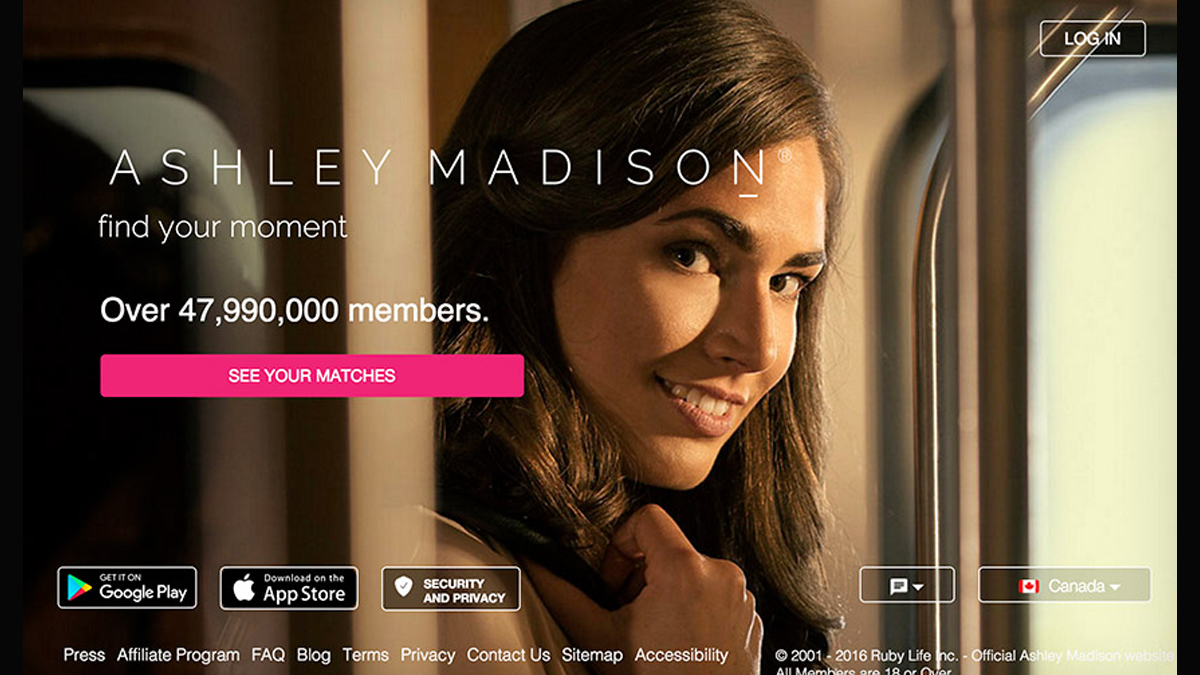
INDIA: Ashley Madison is shedding the “married-dating” label that defined it for two decades, repositioning itself as a platform for discreet dating in what it calls the post-social media age.
The rebrand, unveiled in India on 27 February, 2026, marks a structural shift in business model and identity. Once synonymous with married dating, the company now describes itself as the “premier destination for discreet dating” under a new tagline: Where Desire Meets Discretion.
The pivot is data-driven. Internal figures show that 57 per cent of global sign-ups between 1 January and 31 December, 2025 identified as single: a notable departure from the platform’s married core. The company argues that its community has already evolved beyond its original positioning.

“In an age where our lives have been constantly put on public display, privacy has become the new luxury,” said Ashley Madison chief strategy officer Paul Keable. He framed the platform’s offering as “ethical discretion” for singles, separated, divorced and non-monogamous users seeking private connections.
The shift also taps into wider digital fatigue. A global survey conducted by YouGov for Ashley Madison, covering 13,071 adults across Australia, Brazil, Canada, Germany, India, Italy, Mexico, Spain, Switzerland, the UK and the US, found mounting discomfort with hyper-public online lives.
Among dating app users, 30 per cent cited constant swiping and messaging as a source of fatigue, while 24 per cent pointed to pressure to curate public-facing profiles and early personal disclosure. Some 27 per cent said fears of screenshots or information being shared contributed to exhaustion; an equal share cited unwanted attention.
The retreat from oversharing appears broader. According to the survey, 46 per cent of adults actively try to keep most aspects of their life private online. Only 8 per cent feel comfortable sharing most aspects publicly, while 35 per cent say they are becoming more selective about what they disclose.
Ashley Madison is betting that this cultural recalibration towards controlled visibility can be monetised. By doubling down on privacy infrastructure and reframing itself around discretion rather than infidelity, the company is attempting to convert reputational baggage into a premium proposition.








