Applications
Google brings its ‘Creative Sandbox’ to India

MUMBAI: Google‘s ‘Creative Sandbox‘ is ready to set foot in India.
The event, to be held on 28 May, is an effort to engage and enable agencies and marketers to foresee the possibilities that can be explored on the digital medium and go beyond the traditional campaigns in India.
Thus, it will highlight the advances in web technology that are being used by creative minds around the world to push new boundaries and delivering extraordinary results.
Google Creative Sandbox will be an interactive session, comprising a select gathering of Indian advertising industry‘s creative minds and marketing honchos of leading brands. The audience will be viewing the latest technological innovations done around the world and discuss the emerging opportunities for advertisers in the digital space in India.
Said Google MD India & Head of Media & Platforms Japan & Apac Shailesh Rao,
“Over the last one year, we have taken significant steps and invested in training the young advertising professionals in the country to make best use of web platform. At this stage of evolution in India, we believe it is critical to bring in a podium to drive focused efforts by partnering with agencies to truly leverage the full potential of the web platform. With over 70 million users in India, Internet is now established as a mainstream medium and the creative minds in the agencies have a huge opportunity to do something that‘s never been done before online in India.”
The event will also have key notes and presentations from Googlers covering topics like ‘Brand conversations in the digital world‘ and ‘Kamasutra of Marketing‘. The event will also showcase creative execution of ad campaigns done on Google‘s product platforms like Geo, Mobile, Chrome browser and Orkut.

Applications
With 57 per cent single new users, Ashley Madison rebrands as discreet dating platform
Platform says majority of new members now identify as single
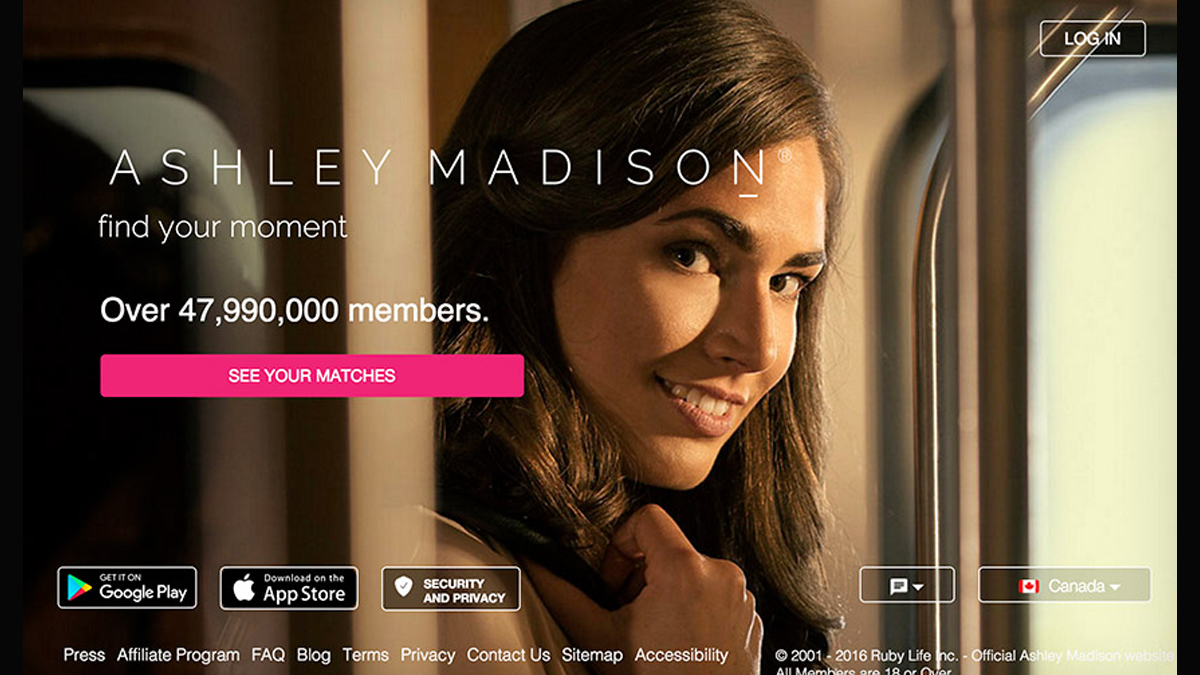
INDIA: Ashley Madison is shedding the “married-dating” label that defined it for two decades, repositioning itself as a platform for discreet dating in what it calls the post-social media age.
The rebrand, unveiled in India on 27 February, 2026, marks a structural shift in business model and identity. Once synonymous with married dating, the company now describes itself as the “premier destination for discreet dating” under a new tagline: Where Desire Meets Discretion.
The pivot is data-driven. Internal figures show that 57 per cent of global sign-ups between 1 January and 31 December, 2025 identified as single: a notable departure from the platform’s married core. The company argues that its community has already evolved beyond its original positioning.

“In an age where our lives have been constantly put on public display, privacy has become the new luxury,” said Ashley Madison chief strategy officer Paul Keable. He framed the platform’s offering as “ethical discretion” for singles, separated, divorced and non-monogamous users seeking private connections.
The shift also taps into wider digital fatigue. A global survey conducted by YouGov for Ashley Madison, covering 13,071 adults across Australia, Brazil, Canada, Germany, India, Italy, Mexico, Spain, Switzerland, the UK and the US, found mounting discomfort with hyper-public online lives.
Among dating app users, 30 per cent cited constant swiping and messaging as a source of fatigue, while 24 per cent pointed to pressure to curate public-facing profiles and early personal disclosure. Some 27 per cent said fears of screenshots or information being shared contributed to exhaustion; an equal share cited unwanted attention.
The retreat from oversharing appears broader. According to the survey, 46 per cent of adults actively try to keep most aspects of their life private online. Only 8 per cent feel comfortable sharing most aspects publicly, while 35 per cent say they are becoming more selective about what they disclose.
Ashley Madison is betting that this cultural recalibration towards controlled visibility can be monetised. By doubling down on privacy infrastructure and reframing itself around discretion rather than infidelity, the company is attempting to convert reputational baggage into a premium proposition.






