Applications
Global survey predicts strong future for mobile TV

MUMBAI: A new report European mobile phone users in early 2006, ‘New Mobile Services – Europe 2006’, from Portio Research, gives a resounding ‘thumbs up’ for mobile TV. Significantly over 50 per cent of those interviewed were interested in mobile TV and were prepared to pay for it, at an average price of €10 Euro per month. |
The key findings: • As many as 50 per cent of mobile users are interested in mobile TV and are prepared to pay on average €10 for ‘all you can eat TV’ – the potential market is huge even when based on conservative uptake. • Video calling is in its infancy with only 6 per cent of the survey sample having used it already, however over 60% of those interviewed expressed both an interest in using the service and a willingness to pay for it. • Mobile advertising is a big turn off for most with over 65 per cent of survey respondents expressing a zero tolerance attitude to what many consider to be spam, or advertising that you have pay for when ‘snacking‘ on TV. |
It is clear that mobile TV will create a market for more TV viewing in addition to that at home, delivering the notion of ‘TV snacking’ whilst on the move. News and weather for professionals commuting to work, celebrity gossip and game show updates for the young professional and music videos for teenage fans. Sports aficionados also appear to be keen to grab the latest action whenever they can. All the evidence suggests that even at conservative estimates the market potential is huge, states an official release. Video calling whilst still in its infancy obviously holds an attraction for many users particularly the teen market 85 per cent of whom expressed a desire to use video calling in the future. Interestingly pre-paid subscribers were willing to pay more than post paid subscribers per call. Once again the research indicates a very attractive market with the potential for perhaps as many as 400 million Europeans using the service. One of the most interesting findings of the survey is consumer attitudes to mobile advertising, with over 65 per cent of those questioned expressing zero tolerance to what many consider to be an unwelcome intrusion into their mobile world. As well as being likened to e-mail spam, advertising was considered particularly unacceptable if it intruded on paid for time watching mobile TV, the release adds. |

Applications
With 57 per cent single new users, Ashley Madison rebrands as discreet dating platform
Platform says majority of new members now identify as single
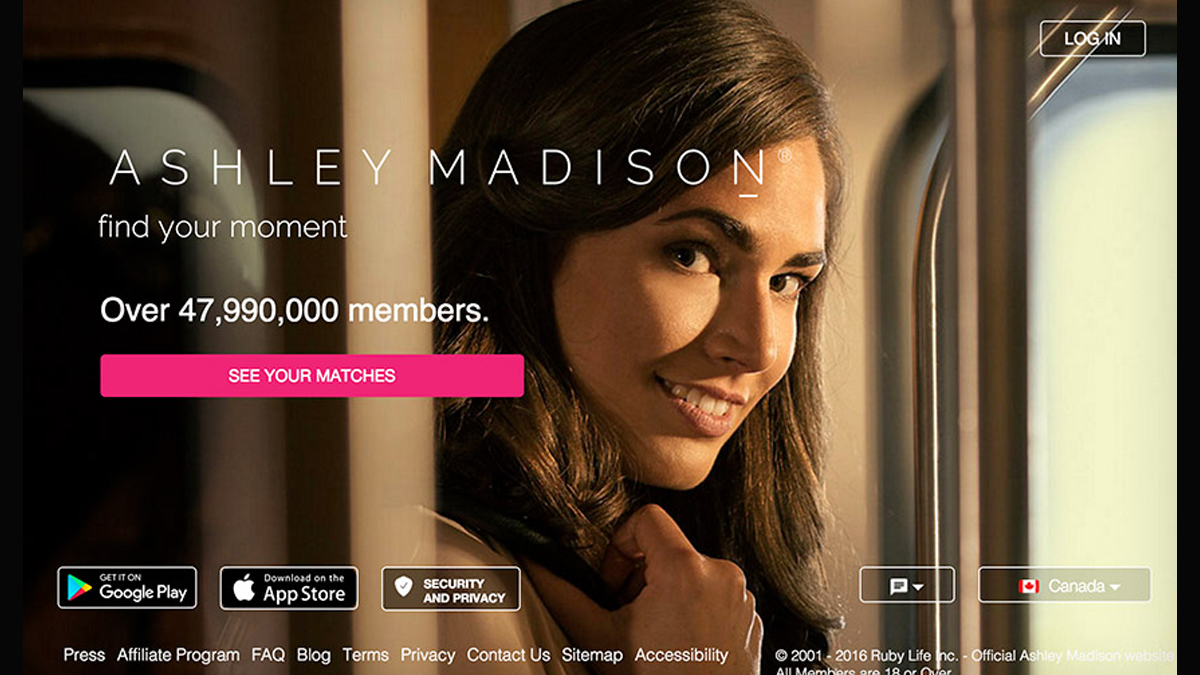
INDIA: Ashley Madison is shedding the “married-dating” label that defined it for two decades, repositioning itself as a platform for discreet dating in what it calls the post-social media age.
The rebrand, unveiled in India on 27 February, 2026, marks a structural shift in business model and identity. Once synonymous with married dating, the company now describes itself as the “premier destination for discreet dating” under a new tagline: Where Desire Meets Discretion.
The pivot is data-driven. Internal figures show that 57 per cent of global sign-ups between 1 January and 31 December, 2025 identified as single: a notable departure from the platform’s married core. The company argues that its community has already evolved beyond its original positioning.

“In an age where our lives have been constantly put on public display, privacy has become the new luxury,” said Ashley Madison chief strategy officer Paul Keable. He framed the platform’s offering as “ethical discretion” for singles, separated, divorced and non-monogamous users seeking private connections.
The shift also taps into wider digital fatigue. A global survey conducted by YouGov for Ashley Madison, covering 13,071 adults across Australia, Brazil, Canada, Germany, India, Italy, Mexico, Spain, Switzerland, the UK and the US, found mounting discomfort with hyper-public online lives.
Among dating app users, 30 per cent cited constant swiping and messaging as a source of fatigue, while 24 per cent pointed to pressure to curate public-facing profiles and early personal disclosure. Some 27 per cent said fears of screenshots or information being shared contributed to exhaustion; an equal share cited unwanted attention.
The retreat from oversharing appears broader. According to the survey, 46 per cent of adults actively try to keep most aspects of their life private online. Only 8 per cent feel comfortable sharing most aspects publicly, while 35 per cent say they are becoming more selective about what they disclose.
Ashley Madison is betting that this cultural recalibration towards controlled visibility can be monetised. By doubling down on privacy infrastructure and reframing itself around discretion rather than infidelity, the company is attempting to convert reputational baggage into a premium proposition.








