Applications
Flo TV brings mobile TV generation to Super Bowl

MUMBAI: Flo TV, which works in the live mobile TV category in the US and which is a wholly owned subsidiary of Qualcomm, will launch a Super Bowl ad campaign with three separate spots, featuring a remix of The Who’s classic My Generation by Black Eyed Peas frontman will.I.am.
The ads will also feature appearances by CBS Sports and Super Bowl personalities Jim Nantz and James Brown.
The campaign is designed to increase awareness for the mobile TV category and for the Flo TV brand, which brings live mobile TV to mobile phones, dedicated devices, like the FLO TV Personal Television, and in vehicles through the FLO TV Auto Entertainment service.
For the three spots:
• Flo TV brought the iconic rock band The Who and the acclaimed superstar will.I.am together for a piece dubbed Moments, which is a compilation of historical events and shared experiences that have united generations of television viewers. Set to My Generation, will.I.am’s puts a fresh twist on the lyrics, underscoring the ways in which different generations are affected by technology and how viewers today consume content on the go.
• Also scheduled to air during the Super Bowl, a second FLO TV spot, dubbed Injury Report, features CBS Sports Commentator Jim Nantz, who plays himself and offers a humorous play-by-play of a couple on a shopping spree. During the spot, Nantz will deliver a highly memorable and amusing tagline that’s sure to enter pop-culture lexicon.
• And just prior to kick-off, FLO TV will debut a 30-second ad featuring CBS Sports studio host James Brown, as well as Nantz. In that spot, Driven Crazy, Brown brings peace to a family on a long trip by introducing them to the Flo TV Auto Entertainment service.
Flo TV president Bill Stone says, “will.I.am and The Who are legends whose socially conscious and progressive work appeals to multiple generations, just like Flo TV”.
Magner Sanborn and Agency 3.0 – the agencies behind each of the three ad executions – have a history of working together, and have collaborated on a variety of branded marketing and content projects.

Applications
With 57 per cent single new users, Ashley Madison rebrands as discreet dating platform
Platform says majority of new members now identify as single
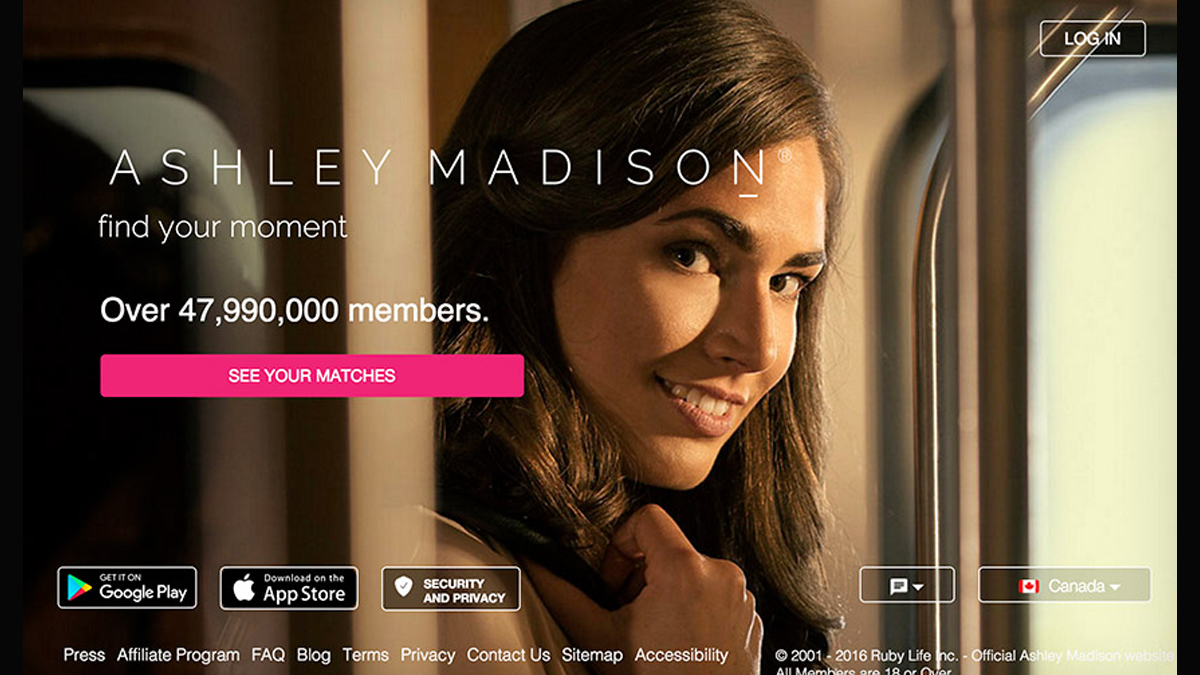
INDIA: Ashley Madison is shedding the “married-dating” label that defined it for two decades, repositioning itself as a platform for discreet dating in what it calls the post-social media age.
The rebrand, unveiled in India on 27 February, 2026, marks a structural shift in business model and identity. Once synonymous with married dating, the company now describes itself as the “premier destination for discreet dating” under a new tagline: Where Desire Meets Discretion.
The pivot is data-driven. Internal figures show that 57 per cent of global sign-ups between 1 January and 31 December, 2025 identified as single: a notable departure from the platform’s married core. The company argues that its community has already evolved beyond its original positioning.

“In an age where our lives have been constantly put on public display, privacy has become the new luxury,” said Ashley Madison chief strategy officer Paul Keable. He framed the platform’s offering as “ethical discretion” for singles, separated, divorced and non-monogamous users seeking private connections.
The shift also taps into wider digital fatigue. A global survey conducted by YouGov for Ashley Madison, covering 13,071 adults across Australia, Brazil, Canada, Germany, India, Italy, Mexico, Spain, Switzerland, the UK and the US, found mounting discomfort with hyper-public online lives.
Among dating app users, 30 per cent cited constant swiping and messaging as a source of fatigue, while 24 per cent pointed to pressure to curate public-facing profiles and early personal disclosure. Some 27 per cent said fears of screenshots or information being shared contributed to exhaustion; an equal share cited unwanted attention.
The retreat from oversharing appears broader. According to the survey, 46 per cent of adults actively try to keep most aspects of their life private online. Only 8 per cent feel comfortable sharing most aspects publicly, while 35 per cent say they are becoming more selective about what they disclose.
Ashley Madison is betting that this cultural recalibration towards controlled visibility can be monetised. By doubling down on privacy infrastructure and reframing itself around discretion rather than infidelity, the company is attempting to convert reputational baggage into a premium proposition.






