Applications
Ficci seeks widespread benefits, exemptions for digital cinema

NEW DELHI: The Federation of Indian Chambers of Commerce and Industry (Ficci) has demanded various benefits for the digital cinema industry, including tax holiday under Income Tax, exemption from MAT and DDT, 100 per cent depreciation benefit, sales tax exemption and customs benefits. Topping the list of demands is a 10-year income tax holiday, just as is done in the case of various types of infrastructure development, including creation of trunking, broadband network and tax holidays multiplexes. The Ficci document has also strongly stressed the definite need for removal of service tax in the case of this “fledgling industry”, |
It has shown that at various stages, from conversion of analogue images to digital and the time of being actual screening, the players – operators, distributors, rentals for service providers, etc. pay several times. “All the services described in the business model above attract a levy of service tax at 12% plus 2% education cess thereon, albeit under different service categories. It is submitted that for an industry in its infancy, a cost of 12.24% of its revenues will have a significant adverse affect on its prospects, if not serve to destroy it altogether,” Ficci has emphasised. The document spelling out Ficci‘s budgetary wishlist says that digital cinema has tremendous benefits, not the least of which is less burden on the environment, which is the ground on which it has demanded 100 depreciation benefit for the sector. The document argues that analogue prints are made from polyester films and are destroyed by burning, which is a huge bio-hazard. Digital prints are mere digital files and can be simply erased from our server‘s memory. Hence, film waste removal is taxing on the environment, because polyester films cannot be recycled. |
Ficci has suggested the development of digital cinema infrastructure that would benefit the industry hugely. It argues that this will increase box office collections, generate rural employment and curb piracy, as well create savings in foreign exchange and minimize wastage in print. “In India”, the document argues, “software piracy has assumed gigantic proportions. Ficci studies estimate that the Indian film industry loses almost 42 per cent revenue due to piracy. “In absolute terms this amounts to approximately Rs 2,000 crore on account of piracy. This is money on which the government earns neither Entertainment Tax nor Income Tax. “An early and widespread release of movies, enabled by digital cinema will act as an effective deterrent to piracy,” it says. Ficci also says that early migrants to the digital cinema system have reported more than 100 per cent increase in revenue collections by way of increased box office collections due to early screening of movies. “Needless to mention, this has also translated into enhanced collections of Entertainment and Income Tax,” stressed the document. Digital cinema makes niche cinema and regional language films more commercially viable. This will, in turn, generate employment for local artists and technicians and other regional film industry related infrastructural suppliers, holds Ficci. It has stressed that digital cinema infrastructure equipment, particularly the digital projector and digital movie compressor, which attract the peak rate of custom duty, be given exemption. “Since these items are not manufactured in India and are a very heavy cost burden to the provider these should be treated at par with hi-tech and information technology sector items with customs duty being reduced to nil,” suggests Ficci. Ficci has also recommended that the state governments give lease tax exemption to the new industry. Considering the way digital cinema infrastructure is poised to revolutionise the films and visual arts exhibition in the country, with multi-fold advantages to all the constituents of the society, (viz. the content owner, the theatre owner, the tax administration, and the general public as the ultimate consumer), it certainly deserves a whole hearted support from the Government of India, Ficci feels. “And as elucidated above, a strong Digital Cinema Infrastructure would, in the long run, pay back more than what it is requesting for now.” |

Applications
With 57 per cent single new users, Ashley Madison rebrands as discreet dating platform
Platform says majority of new members now identify as single
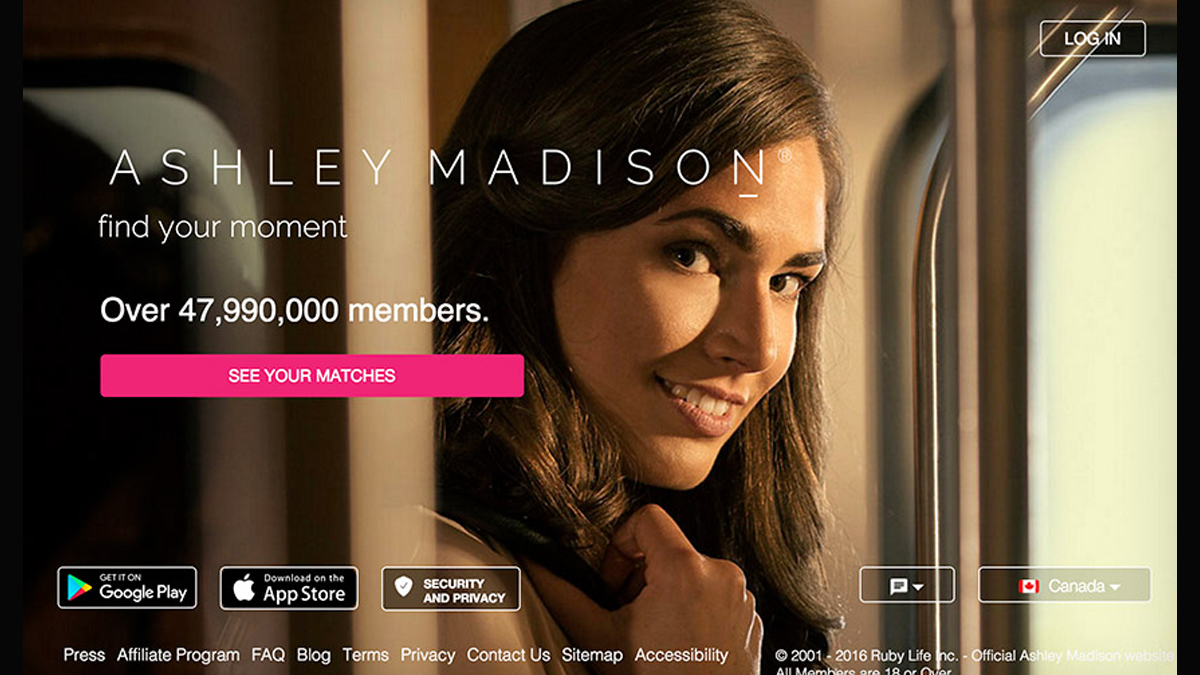
INDIA: Ashley Madison is shedding the “married-dating” label that defined it for two decades, repositioning itself as a platform for discreet dating in what it calls the post-social media age.
The rebrand, unveiled in India on 27 February, 2026, marks a structural shift in business model and identity. Once synonymous with married dating, the company now describes itself as the “premier destination for discreet dating” under a new tagline: Where Desire Meets Discretion.
The pivot is data-driven. Internal figures show that 57 per cent of global sign-ups between 1 January and 31 December, 2025 identified as single: a notable departure from the platform’s married core. The company argues that its community has already evolved beyond its original positioning.

“In an age where our lives have been constantly put on public display, privacy has become the new luxury,” said Ashley Madison chief strategy officer Paul Keable. He framed the platform’s offering as “ethical discretion” for singles, separated, divorced and non-monogamous users seeking private connections.
The shift also taps into wider digital fatigue. A global survey conducted by YouGov for Ashley Madison, covering 13,071 adults across Australia, Brazil, Canada, Germany, India, Italy, Mexico, Spain, Switzerland, the UK and the US, found mounting discomfort with hyper-public online lives.
Among dating app users, 30 per cent cited constant swiping and messaging as a source of fatigue, while 24 per cent pointed to pressure to curate public-facing profiles and early personal disclosure. Some 27 per cent said fears of screenshots or information being shared contributed to exhaustion; an equal share cited unwanted attention.
The retreat from oversharing appears broader. According to the survey, 46 per cent of adults actively try to keep most aspects of their life private online. Only 8 per cent feel comfortable sharing most aspects publicly, while 35 per cent say they are becoming more selective about what they disclose.
Ashley Madison is betting that this cultural recalibration towards controlled visibility can be monetised. By doubling down on privacy infrastructure and reframing itself around discretion rather than infidelity, the company is attempting to convert reputational baggage into a premium proposition.








