Applications
ESPNcricinfo, Idea collaborate for new initiative

MUMBAI: ESPN Digital Media, which operates popular sports websites like espncricinfo.com, espnsoccernet.com, espnf1.com, and espn.com, has tied up with leading telecom brand Idea to launch a new initiative, Dream Fields. The aim: to engage fans, players, parents, and local administrators to present their concerns and issues regarding the cricket playing spaces in the cities in India.
The collaboration between ESPN‘s cricket website ESPNcricinfo and Idea will span content and advertising in India. As part of the collaboration, ESPNcricinfo has conceived and created Idea Dream Fields, a dedicated editorial repository within the website espncricinfo.com. The editorial repository will also feature content gathered from the public via social media.
ESPNcricinfo.com editor Sambit Bal said, “Driving through Indian cities you would never know that cricket is India’s number one sport. You wouldn’t spot too many kids playing cricket because there is simply no space to play. It is not a big surprise that Indian cities are producing less and less national cricketers: playing cricket has become such an ordeal. For Indian cricket to stay strong we need to ensure apart from being cricket-watching country, India is also cricket-playing country. This initiative is a small step towards raising awareness about an issue that is vital to the future of Indian cricket.”
Idea, which has been a major sponsor of all cricket tournaments in India, enables them to target passionate cricket fans with a consistent and multi-faceted presence.
Idea Cellular CMO Sashi Shankar said, “Idea cellular has always taken a lead to address the growing concerns of the society through mobile telephony. Cricket is a national craze and we have always supported the game, we do hope that through Idea Dream Fields, we can play our small role in addressing a concern that looms the game- lack of space to play it freely. With Idea Dream Fields, we would like to create more and more awareness about this issue and thereby contribute in our own way to the nation’s most loved game.”
ESPN digital media India senior director Ramesh Kumar siad, “Expanding our collaboration with Idea Cellular to create Idea Dream Fields allows us to stay true to our duty of serving fans by providing a forum for the discussion of this important and complex topic. The nature and scope of this collaboration enables IDEA Cellular to engage fans in a comprehensive and credible manner and demonstrates ESPNcricinfo’s ability to connect brands to cricket fans at all levels of the game.”

Applications
With 57 per cent single new users, Ashley Madison rebrands as discreet dating platform
Platform says majority of new members now identify as single
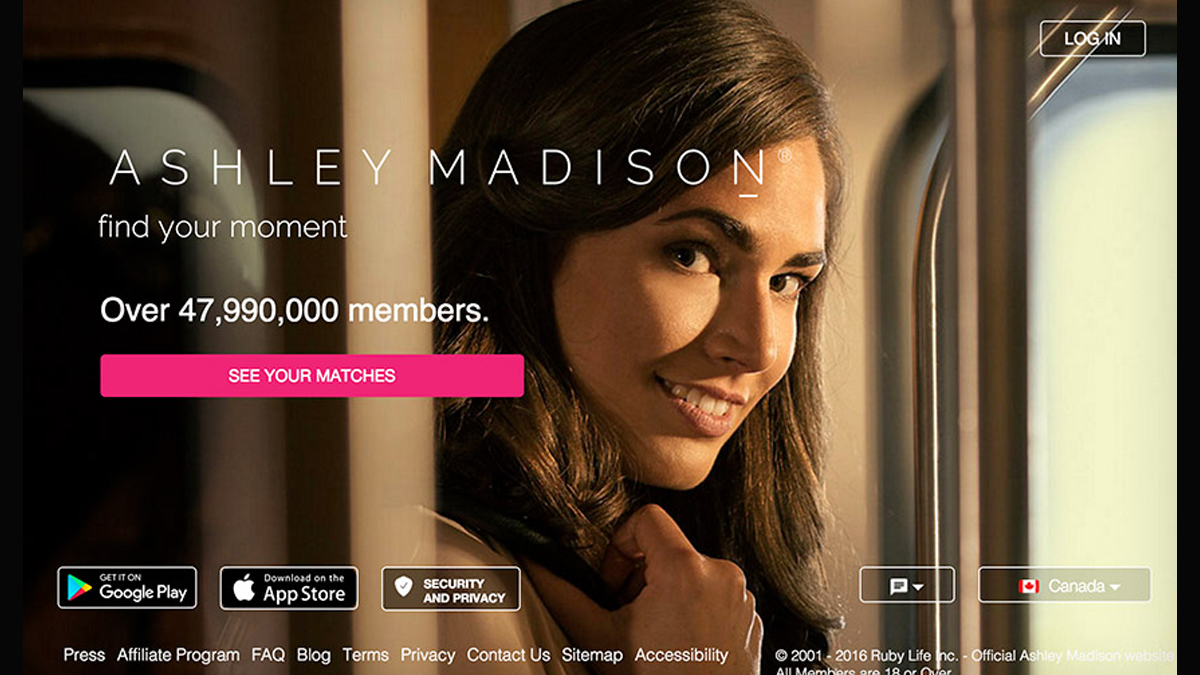
INDIA: Ashley Madison is shedding the “married-dating” label that defined it for two decades, repositioning itself as a platform for discreet dating in what it calls the post-social media age.
The rebrand, unveiled in India on 27 February, 2026, marks a structural shift in business model and identity. Once synonymous with married dating, the company now describes itself as the “premier destination for discreet dating” under a new tagline: Where Desire Meets Discretion.
The pivot is data-driven. Internal figures show that 57 per cent of global sign-ups between 1 January and 31 December, 2025 identified as single: a notable departure from the platform’s married core. The company argues that its community has already evolved beyond its original positioning.

“In an age where our lives have been constantly put on public display, privacy has become the new luxury,” said Ashley Madison chief strategy officer Paul Keable. He framed the platform’s offering as “ethical discretion” for singles, separated, divorced and non-monogamous users seeking private connections.
The shift also taps into wider digital fatigue. A global survey conducted by YouGov for Ashley Madison, covering 13,071 adults across Australia, Brazil, Canada, Germany, India, Italy, Mexico, Spain, Switzerland, the UK and the US, found mounting discomfort with hyper-public online lives.
Among dating app users, 30 per cent cited constant swiping and messaging as a source of fatigue, while 24 per cent pointed to pressure to curate public-facing profiles and early personal disclosure. Some 27 per cent said fears of screenshots or information being shared contributed to exhaustion; an equal share cited unwanted attention.
The retreat from oversharing appears broader. According to the survey, 46 per cent of adults actively try to keep most aspects of their life private online. Only 8 per cent feel comfortable sharing most aspects publicly, while 35 per cent say they are becoming more selective about what they disclose.
Ashley Madison is betting that this cultural recalibration towards controlled visibility can be monetised. By doubling down on privacy infrastructure and reframing itself around discretion rather than infidelity, the company is attempting to convert reputational baggage into a premium proposition.






