Applications
Dish TV, Tata Sky lock horns over DVRs

NEW DELHI: Existing DTH player Dish TV has locked horns with Tata Sky over interoperability — or its waiver — of digital video recorders to be made available to consumers of a DTH service in India.
DTH license holder ASC Enterprises, which operates the Dish TV brand, has told the broadcast regulator that if digital video recorders (DVRs) are not interoperable, as mandated in DTH guidelines, it would “compromise” consumer interest.
On the other hand, Tata Sky and technology company NDS (controlled by Rupert Murdoch) have said that “interoperability is not feasible on high end devices” like DVRs.
“The technical specifications vary with the (DVR) models that are introduced and these were not envisaged when BIS (Bureau of Indian Standards) drew up STB specifications,” Tata Sky has said in its submission to the regulator.
ASC Enterprises has counter-punched by saying that existing clauses on interoperability of boxes protect the “consumer interests by ensuring they switch over their service providers for the basic functionality of watching the broadcast channels as per their option and choice.”
If that was not enough, Tata Sky and residents’ welfare associations (RWAs) have come out in support of multi-dwelling unit (MDU) technology, which has been strongly opposed by all sections of the cable industry, including Cable Operators’ Federation of India (COFI), which feels cable ops stand to become redundant.
MDU technology, being tested by Tata Sky for its proposed DTH service in a few cities, envisages making available a DTH service to multiple homes through a common dish antenna, but separate set-top boxes.
The technology is being touted by its supporters as cost effective for consumers and as a safeguard for “aesthetic” senses in concrete jungles that Indian cities are turning into.
Telecom Regulatory Authority of India (Trai) had asked for comments on various issues related to DTH, including whether certain clauses in the DTH guidelines need to be amended to exclude DVRs from being interoperable.
Fifteen individuals/organizations, including a clutch of RWAs, have submitted their feedback, baring the fact there isn’t consensus on matters like DVRs and MDU technology, which have the potential of changing the way people consume television fare in India.
Even a company like Anil Ambani’s Reliance Infocomm, whose DTH license application hasn’t been processed by the government, feels that DVRs should be kept interoperable.
“The clauses 7.1 & 7.2 of DTH license conditions need not be amended to exclude digital video recorders. All set top boxes whether simple STB or personal video recorder/ DVR-enabled set top boxes should be interoperable,” Reliance has stated
The full text of feedback, peppered with technical jargons and occasional innuendoes hitting at opponents, can be seen on the regulator’s website, www.trai.gov.in.

Applications
With 57 per cent single new users, Ashley Madison rebrands as discreet dating platform
Platform says majority of new members now identify as single
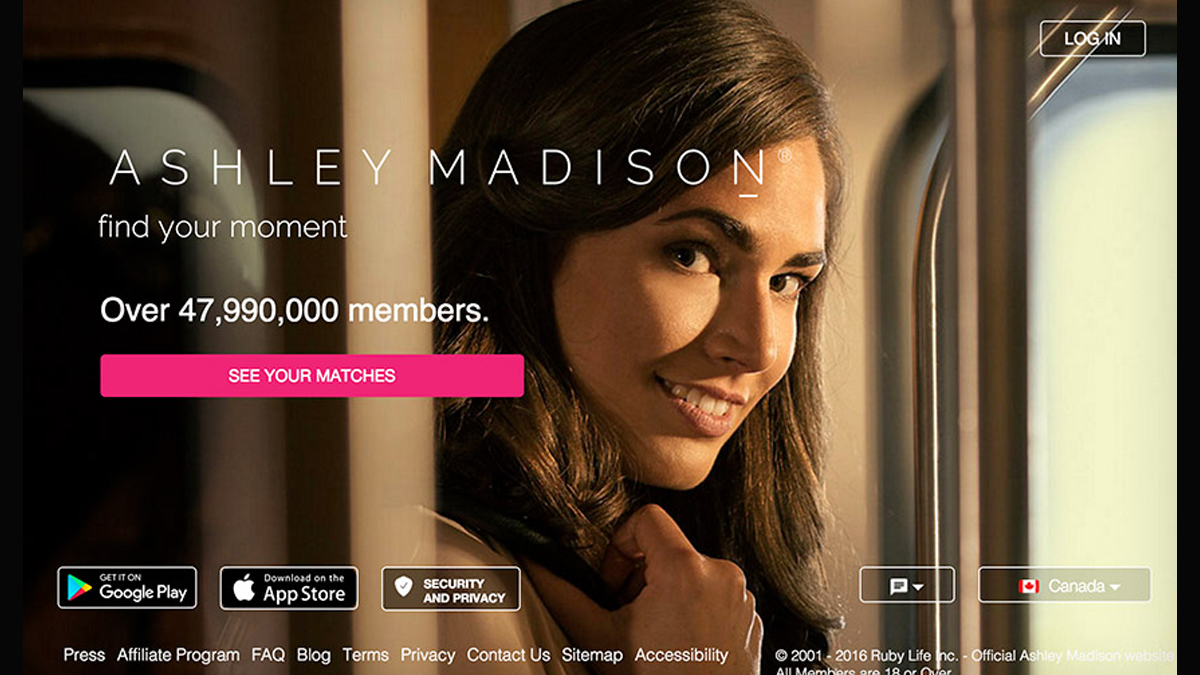
INDIA: Ashley Madison is shedding the “married-dating” label that defined it for two decades, repositioning itself as a platform for discreet dating in what it calls the post-social media age.
The rebrand, unveiled in India on 27 February, 2026, marks a structural shift in business model and identity. Once synonymous with married dating, the company now describes itself as the “premier destination for discreet dating” under a new tagline: Where Desire Meets Discretion.
The pivot is data-driven. Internal figures show that 57 per cent of global sign-ups between 1 January and 31 December, 2025 identified as single: a notable departure from the platform’s married core. The company argues that its community has already evolved beyond its original positioning.

“In an age where our lives have been constantly put on public display, privacy has become the new luxury,” said Ashley Madison chief strategy officer Paul Keable. He framed the platform’s offering as “ethical discretion” for singles, separated, divorced and non-monogamous users seeking private connections.
The shift also taps into wider digital fatigue. A global survey conducted by YouGov for Ashley Madison, covering 13,071 adults across Australia, Brazil, Canada, Germany, India, Italy, Mexico, Spain, Switzerland, the UK and the US, found mounting discomfort with hyper-public online lives.
Among dating app users, 30 per cent cited constant swiping and messaging as a source of fatigue, while 24 per cent pointed to pressure to curate public-facing profiles and early personal disclosure. Some 27 per cent said fears of screenshots or information being shared contributed to exhaustion; an equal share cited unwanted attention.
The retreat from oversharing appears broader. According to the survey, 46 per cent of adults actively try to keep most aspects of their life private online. Only 8 per cent feel comfortable sharing most aspects publicly, while 35 per cent say they are becoming more selective about what they disclose.
Ashley Madison is betting that this cultural recalibration towards controlled visibility can be monetised. By doubling down on privacy infrastructure and reframing itself around discretion rather than infidelity, the company is attempting to convert reputational baggage into a premium proposition.