Applications
Dish TV pumps up the volume on interactive services, marketing

NEW DELHI: The Indian DTH market is all set to explode with Dish TV going ballistic with services and marketing activities ahead of Tata Sky’s imminent launch.
Though Dish TV terms it as sheer coincidence that it’s unveiling a host of value-added services and as well as coming out with a media campaign over the last two days, the timing seems to be just correct.
“We had planned our value added service from before and it’s purely a coincidence that our consumer-awareness campaign, which broke a few days ago in the media, comes ahead of Tata Sky’s proposed launch,” Dish TV CEO Sunil Khanna told Indiantelevision.com today.
Apart from a 360 degree approach through a media campaign — goodbye to cable problems. Hello Digital! — country’s first DTH platform Dish TV is also set to unveil a host of services from Monday onwards.
Leading the pack of new initiatives is interactivity, which will come via Zee News.
The digi-boxes of Dish TV would now allow the unique experience of interactive viewing. Consumers can surf while watching TV for detailed stories, headlines and weather reports.
How does this work? A subscriber of Dish TV wants to see whether Indian tennis sensation Sania Mirza has won her latest match or not and cannot wait for the sports segments to come in the news bulletin.
So while a news bulletin is on on Zee News, a few presses of the buttons can take the viewer straight to the sports section for the Sania news story even as the main news bulletin continues.
“Such interactive facilities will give Dish viewers more convenience, but will also mean the broadcaster‘s (Zee News in this case) having to upload more feeds than usual to give the interactivity features a momentum,” Khanna said.
By the end of next week, Zee News’ interactivity on Dish would be completed for all subscribers, he assures.
Apart from news, Dish TV is also planning to go interactive with sports, starting with Zee Sports.
Sports interactivity will involve freezing of shots from a particular angle, getting player details immediately without having to wait for the sports channel providing it and statistics about the game in progress and sports in general.
The interactivity on Zee Sports will start with the Indian cricket board-recognised tri-nation series involving India, Australia and another country at a neutral ground from mid-September for which Zee has the telecast rights.
“At this point of time only Zee Sports will go interactive, but we are talking to Sony Entertainment TV India for introducing the features for the ICC Champions Trophy that will air on Max,” Khanna said.
Dish now has all the sports channel presently available on Indian cable networks, which include ESPN, Star Sports and Ten Sports. It also has some niche sports channels not beaming to cable subscribers.
Asked which other channels can go interactive, Khanna opined that globally interactivity works best with news and sports programming.
Next on the list is a dedicated gaming channel for people of all age groups. At any given point of time it will have eight games, which will be updated on a monthly basis.
Hassle free and simple, PlayJam software would start downloading on set top boxes of subscribers from early next week onwards.
The whole process will take a few days to be completed for all of the 1.25 million DTH subscribers of Dish.
According to Dish TV AVP (interactive services) Manish Chawla, three to four games are likely to be added every month with the overall number of games available remaining at eight presently.
The electronic programming guide had always been available to Dish subscribers, but from next week it will get fully activated with programming details of over 100 channels at one’s fingertips.
The EPG will store three days’ information, which is likely to help viewers plan their viewing, Chawla explained as proper setting of the EPG will send out alerts before a particular programme starts.
With Tata Sky (a joint venture between the Tatas and Rupert Murdoch’s Star) also planning to start its services soon, there will be hectic action in the Indian DTH market.
Hong Kong based Media Partners Asia (MPA) says that India remains the most significant and accessible cable and satellite (C&S) opportunity in the Asia Pacific region.
India began commercial DTH operations in October 2003 and by December 2004 reported over three million subscribers. MPA said India is poised to become Asia’s leading cable market by 2010, the largest satellite market by 2008 and the most lucrative pay TV market by 2015.

Applications
With 57 per cent single new users, Ashley Madison rebrands as discreet dating platform
Platform says majority of new members now identify as single
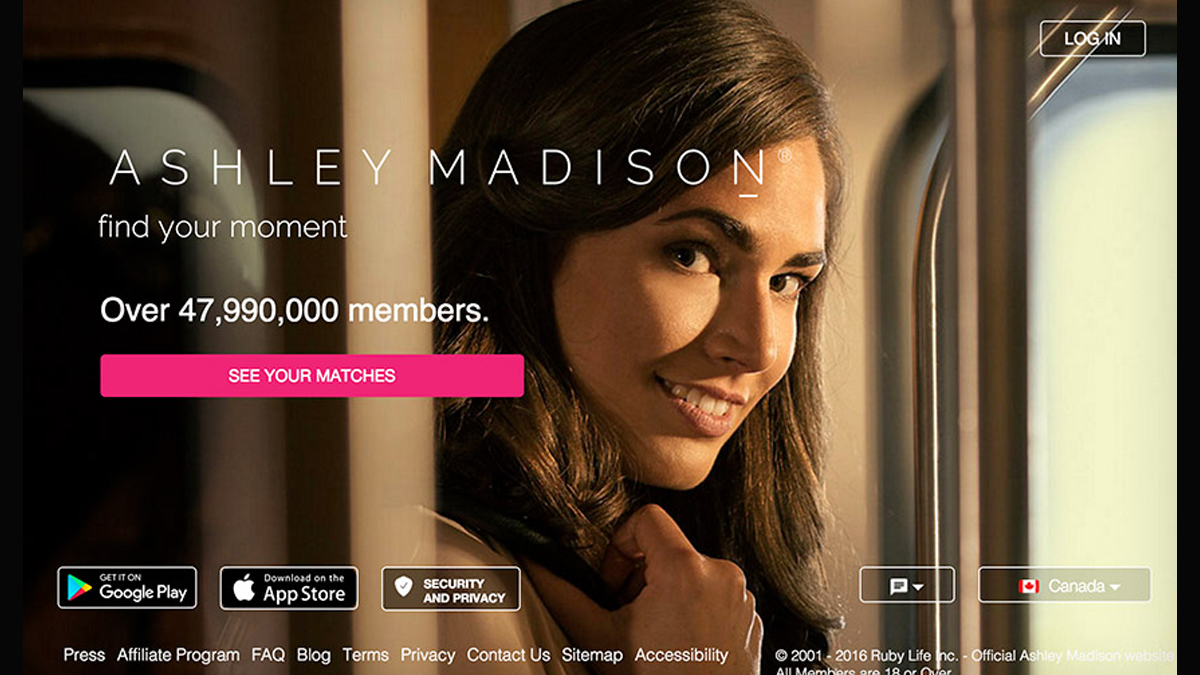
INDIA: Ashley Madison is shedding the “married-dating” label that defined it for two decades, repositioning itself as a platform for discreet dating in what it calls the post-social media age.
The rebrand, unveiled in India on 27 February, 2026, marks a structural shift in business model and identity. Once synonymous with married dating, the company now describes itself as the “premier destination for discreet dating” under a new tagline: Where Desire Meets Discretion.
The pivot is data-driven. Internal figures show that 57 per cent of global sign-ups between 1 January and 31 December, 2025 identified as single: a notable departure from the platform’s married core. The company argues that its community has already evolved beyond its original positioning.

“In an age where our lives have been constantly put on public display, privacy has become the new luxury,” said Ashley Madison chief strategy officer Paul Keable. He framed the platform’s offering as “ethical discretion” for singles, separated, divorced and non-monogamous users seeking private connections.
The shift also taps into wider digital fatigue. A global survey conducted by YouGov for Ashley Madison, covering 13,071 adults across Australia, Brazil, Canada, Germany, India, Italy, Mexico, Spain, Switzerland, the UK and the US, found mounting discomfort with hyper-public online lives.
Among dating app users, 30 per cent cited constant swiping and messaging as a source of fatigue, while 24 per cent pointed to pressure to curate public-facing profiles and early personal disclosure. Some 27 per cent said fears of screenshots or information being shared contributed to exhaustion; an equal share cited unwanted attention.
The retreat from oversharing appears broader. According to the survey, 46 per cent of adults actively try to keep most aspects of their life private online. Only 8 per cent feel comfortable sharing most aspects publicly, while 35 per cent say they are becoming more selective about what they disclose.
Ashley Madison is betting that this cultural recalibration towards controlled visibility can be monetised. By doubling down on privacy infrastructure and reframing itself around discretion rather than infidelity, the company is attempting to convert reputational baggage into a premium proposition.








