Applications
DD’s DTH eyes Rs 460 mn from first phase of e-auction

NEW DELHI: Doordarshan hopes to earn a sum of over Rs 460 million from the e-auction of 21 slots on its DTH platform, DD Direct Plus.
The estimates are based on the bidding made by several private broadcasters to gain carriage on India‘s only free-to-air direct-to-home (DTH) service. The bidders include some channels of Zee, Sahara, B4U and Sadhana.
Until now, DD was earning Rs 168 million at the rate of Rs.8 million per channel.
Through the auction, 21 successful bids have been received ranging from Rs 21.7 million to Rs 22.5 million. All 21 vacant slots on DD‘s DTH platform have been auctioned through this e-auction process.
The bidding details that have been received from different channels according to the price bands are as follows:
- Rs. 22.5 million – Sadhana News (Uttarakhand/Himachal), Aastha Bhajan, B4U Movies, Sanskar.
- Rs. 22.2 million – RsK News (Sadhana), Sahara Samay.
- Rs. 22.1 million -Enter 10 music, TV 24, Day& Night News
- Rs.22 million – B4U Music, Time TV, Divya, Katiani.
- Rs. 21.9 million – Sahara Aalmi (Urdu), Sahara Firangi.
- Rs. 21.8 million – Zee Salaam, Zee Smile, Etc music, 9X, Zee Jagran.
- Rs. 21.7 million – Enter 10 Movies.
Conducted through e-tender process, the entire mechanism was facilitated by NCDEX SPOT Mumbai, the agency selected for conducting the proceedings. The aim was to optimally utilise available slots on the DD Direct Plus platform and maximise its revenue, in a transparent and objective manner.
Prior to conducting the e-auction mechanism, Doordarshan undertook a detailed exercise to fine tune the mechanism to suit the professional requirements. It issued letters to all the channels which had applied to be placed on DD Direct Plus DTH platform and all those existing channels on DD Direct Plus platform that were completing their annual agreements up to 30 June 2011, inviting them to participate in the auction process by submitting a bank guarantee of Rs.15 million within 15 days of the issuance of the letter.
Open public notices were issued in leading national newspapers on an all India level. Thirty seven channels applied with a bank guarantee of Rs 15 million and necessary Downlinking/Uplinking permissions from the Information and Broadcasting Ministry. Of these, 32 participated in the final e-auction process.
As part of the orientation, the channels were given thorough training and also participated in a series of mock auctions to give them complete familiarity with the process. Each service provider was issued individual IDs and passwords to all the channels to enable them to log onto the defined website to participate in the closed e-auction process using their unique digital signatures.
The free-to-air DD Direct Plus platform at present has a capacity of 59 channels including 18 Doordarshan and one Lok Sabha channel. The second round will be conducted when the capacity is increased to 200.
DD Direct Plus has a viewership base of eight to nine million. Ministry sources said only Indian entities would be allowed to bid in the first phase, as no final decision has been taken on the foreign broadcasters.
DD Direct Plus expects to earn Rs 4 billion from the e-auction of its slots during this fiscal as it increases its capacity to 200 channels.

Applications
With 57 per cent single new users, Ashley Madison rebrands as discreet dating platform
Platform says majority of new members now identify as single
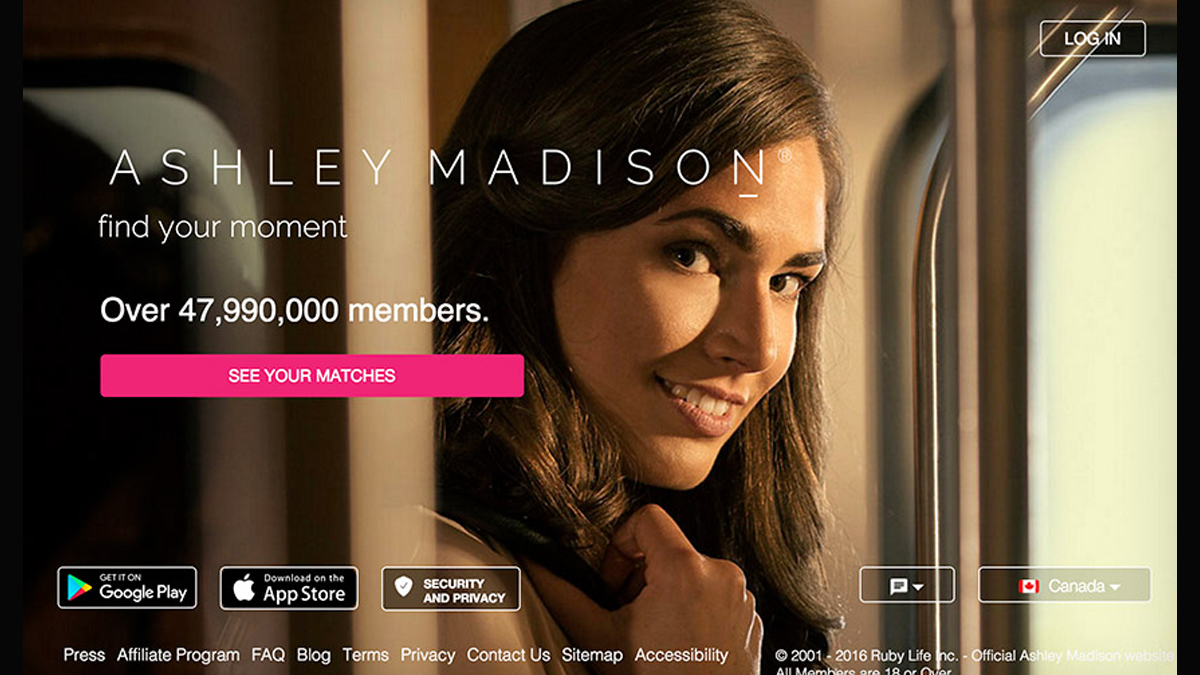
INDIA: Ashley Madison is shedding the “married-dating” label that defined it for two decades, repositioning itself as a platform for discreet dating in what it calls the post-social media age.
The rebrand, unveiled in India on 27 February, 2026, marks a structural shift in business model and identity. Once synonymous with married dating, the company now describes itself as the “premier destination for discreet dating” under a new tagline: Where Desire Meets Discretion.
The pivot is data-driven. Internal figures show that 57 per cent of global sign-ups between 1 January and 31 December, 2025 identified as single: a notable departure from the platform’s married core. The company argues that its community has already evolved beyond its original positioning.

“In an age where our lives have been constantly put on public display, privacy has become the new luxury,” said Ashley Madison chief strategy officer Paul Keable. He framed the platform’s offering as “ethical discretion” for singles, separated, divorced and non-monogamous users seeking private connections.
The shift also taps into wider digital fatigue. A global survey conducted by YouGov for Ashley Madison, covering 13,071 adults across Australia, Brazil, Canada, Germany, India, Italy, Mexico, Spain, Switzerland, the UK and the US, found mounting discomfort with hyper-public online lives.
Among dating app users, 30 per cent cited constant swiping and messaging as a source of fatigue, while 24 per cent pointed to pressure to curate public-facing profiles and early personal disclosure. Some 27 per cent said fears of screenshots or information being shared contributed to exhaustion; an equal share cited unwanted attention.
The retreat from oversharing appears broader. According to the survey, 46 per cent of adults actively try to keep most aspects of their life private online. Only 8 per cent feel comfortable sharing most aspects publicly, while 35 per cent say they are becoming more selective about what they disclose.
Ashley Madison is betting that this cultural recalibration towards controlled visibility can be monetised. By doubling down on privacy infrastructure and reframing itself around discretion rather than infidelity, the company is attempting to convert reputational baggage into a premium proposition.