Applications
Consumers in US prefer online TV: study

MUMBAI: As consumers prefer watching television as per their convenience, more and more consumers are turning to online TV in the US, reveals ‘The Consumer Internet Barometer‘ report. ‘The Consumer Internet Barometer‘ is a quarterly report brought out by the global business membership and research association, The Conference Board and global market insight and information group, TNS. According to the report, being able to view favourite shows at any time, along with personal convenience and portability are the main reasons why they prefer online TV. |
The study states that nearly one out of four US households watches TV online, up from 20 per cent last year. Nearly 80 per cent of consumers log on daily for entertainment. Says The Conference Board Consumer Research Center director Lynn Franco, “Online viewing allows users to watch TV on their own schedule, catch up on missed content and focus on their favorite programmes. As a result, about 20 percent of consumers say their traditional TV viewing has declined.” According to the report, of all the online programmes watched, news shows are the most popular online programmes -watched by about 43 per cent of online TV viewers. About 35 per cent enjoy sitcoms, comedies and dramas while 19 per cent of online TV viewers indulge in reality shows and 18 per cent follow sports. The report states that more than two-thirds of online TV viewers access television content through the official TV channel‘s homepage. YouTube.com still retains second place, accessed by 42 per cent of online TV viewers. Meanwhile, Hulu.com has grown from 8 per cent of households to 32 per cent today. Hulu.com is fast becoming the hot site, just behind YouTube for watching TV programmes, suggests the report. “The rise of Hulu is not just a coincidence.Hulu.com and other online TV viewing options have created a user experience equivalent to how people self categorise content – sorting by brand, genre and popularity. This user experience, along with a deep library of branded content, has created a service that continues to resonate with users,” says TNS SVP innovation and product development Bernard Brenner. |

Applications
With 57 per cent single new users, Ashley Madison rebrands as discreet dating platform
Platform says majority of new members now identify as single
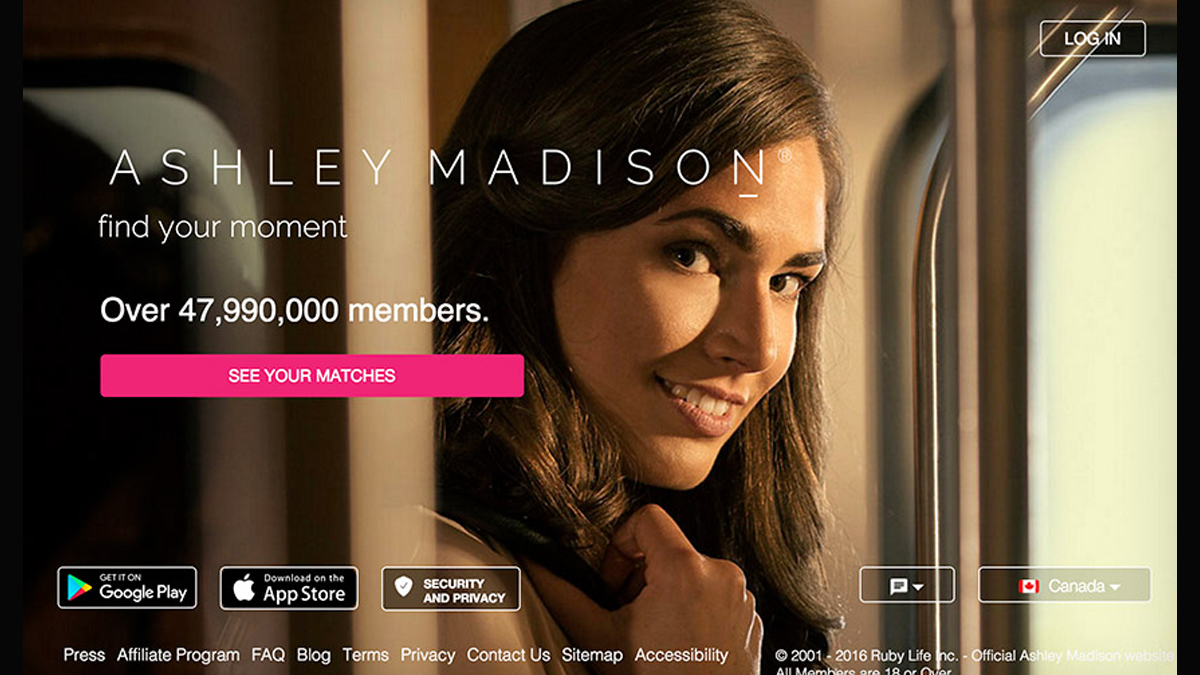
INDIA: Ashley Madison is shedding the “married-dating” label that defined it for two decades, repositioning itself as a platform for discreet dating in what it calls the post-social media age.
The rebrand, unveiled in India on 27 February, 2026, marks a structural shift in business model and identity. Once synonymous with married dating, the company now describes itself as the “premier destination for discreet dating” under a new tagline: Where Desire Meets Discretion.
The pivot is data-driven. Internal figures show that 57 per cent of global sign-ups between 1 January and 31 December, 2025 identified as single: a notable departure from the platform’s married core. The company argues that its community has already evolved beyond its original positioning.

“In an age where our lives have been constantly put on public display, privacy has become the new luxury,” said Ashley Madison chief strategy officer Paul Keable. He framed the platform’s offering as “ethical discretion” for singles, separated, divorced and non-monogamous users seeking private connections.
The shift also taps into wider digital fatigue. A global survey conducted by YouGov for Ashley Madison, covering 13,071 adults across Australia, Brazil, Canada, Germany, India, Italy, Mexico, Spain, Switzerland, the UK and the US, found mounting discomfort with hyper-public online lives.
Among dating app users, 30 per cent cited constant swiping and messaging as a source of fatigue, while 24 per cent pointed to pressure to curate public-facing profiles and early personal disclosure. Some 27 per cent said fears of screenshots or information being shared contributed to exhaustion; an equal share cited unwanted attention.
The retreat from oversharing appears broader. According to the survey, 46 per cent of adults actively try to keep most aspects of their life private online. Only 8 per cent feel comfortable sharing most aspects publicly, while 35 per cent say they are becoming more selective about what they disclose.
Ashley Madison is betting that this cultural recalibration towards controlled visibility can be monetised. By doubling down on privacy infrastructure and reframing itself around discretion rather than infidelity, the company is attempting to convert reputational baggage into a premium proposition.