Applications
Comcast in deal with News Corp, NBC’s online video venture

MUMBAI: Media firm Comcast has annoauncd a deal with News Corp and NBC Universal. The distribution agreement sees Comcast‘s Comcast.net and Fancast.com serving as distribution sites for News Corp and NBCU‘s recently announced online video venture. Under the agreement, Comcast will also provide available non-exclusive content for domestic distribution on NBCU and News Corp‘s site from Comcast Networks, including E!, Style, G4, Versus and Golf Channel and will become the venture‘s first non-equity content provider. |
In addition, the companies announced the new online video venture will utilise media management and video distribution technology from the Platform, a Comcast subsidiary and a leading provider of broadband and mobile video publishing solutions. News Corp president and COO Peter Chernin says, “We are delighted that the nation‘s largest cable provider will be a major player in this new venture. News Corp. and NBC have long histories with Comcast and we‘re committed to expanding our relationship in this new media universe. We believe there is a wealth of opportunities to exploit broadband distribution to benefit both our businesses.” |
NBC Universal president and CEO Jeff Zucker says, “We are very excited by the positive response our new venture with News Corp. has generated. Comcast‘s participation is yet another affirmation of our strategy to place top-quality, protected content in as many places as possible.” Comcast COO Steve Burke says, “We are pleased to have the best of NBC and Fox‘s TV content available to our customers on Comcast.net and Fancast.com. Making TV content available on multiple devices will enable our customers to view their favorite shows on television, online and on video-on-demand.” Distribution across Comcast sites will include Comcast.net, and Fancast.com, a new entertainment site launching this summer that will enable users to view video as well as search, discover and manage both TV and movie content. NBC Universal and News Corp‘s recently-announced video site will launch in the summer with thousands of hours of full-length TV programming, clips and movies, representing premium content from more than a dozen networks and two major film studios. The new venture‘s content will be distributed via some of the most-popular sites on the Web, including AOL, MSN, MySpace and Yahoo. The aim is to offer an alternative to Youtube. |

Applications
With 57 per cent single new users, Ashley Madison rebrands as discreet dating platform
Platform says majority of new members now identify as single
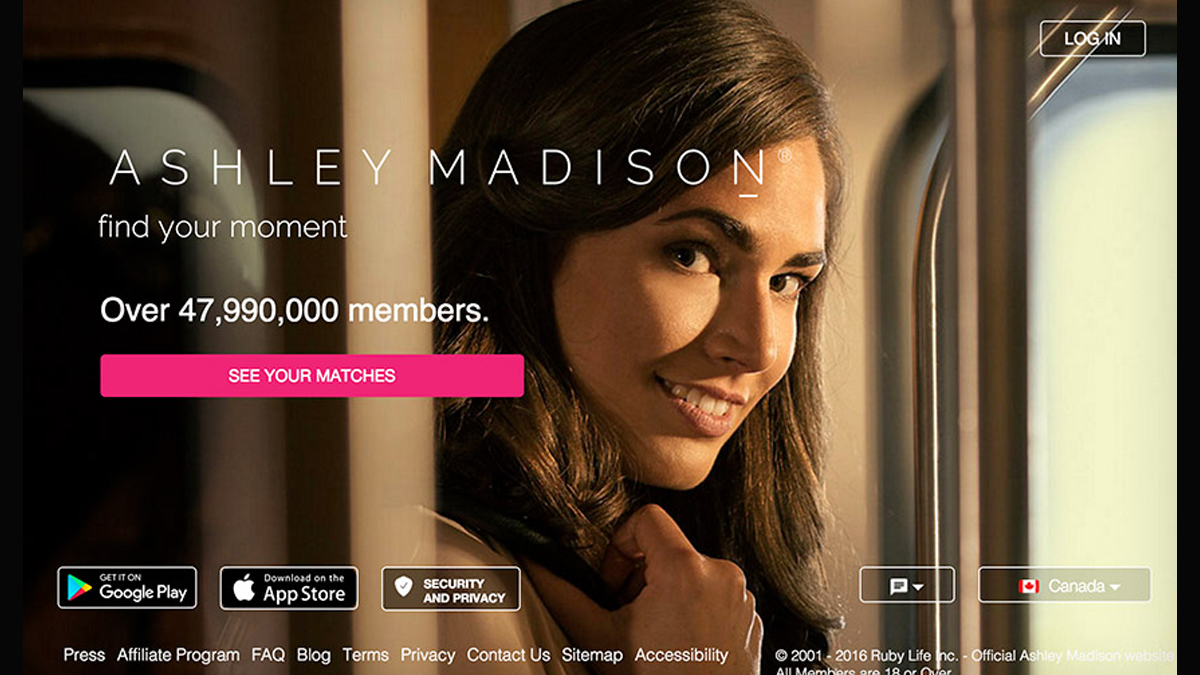
INDIA: Ashley Madison is shedding the “married-dating” label that defined it for two decades, repositioning itself as a platform for discreet dating in what it calls the post-social media age.
The rebrand, unveiled in India on 27 February, 2026, marks a structural shift in business model and identity. Once synonymous with married dating, the company now describes itself as the “premier destination for discreet dating” under a new tagline: Where Desire Meets Discretion.
The pivot is data-driven. Internal figures show that 57 per cent of global sign-ups between 1 January and 31 December, 2025 identified as single: a notable departure from the platform’s married core. The company argues that its community has already evolved beyond its original positioning.

“In an age where our lives have been constantly put on public display, privacy has become the new luxury,” said Ashley Madison chief strategy officer Paul Keable. He framed the platform’s offering as “ethical discretion” for singles, separated, divorced and non-monogamous users seeking private connections.
The shift also taps into wider digital fatigue. A global survey conducted by YouGov for Ashley Madison, covering 13,071 adults across Australia, Brazil, Canada, Germany, India, Italy, Mexico, Spain, Switzerland, the UK and the US, found mounting discomfort with hyper-public online lives.
Among dating app users, 30 per cent cited constant swiping and messaging as a source of fatigue, while 24 per cent pointed to pressure to curate public-facing profiles and early personal disclosure. Some 27 per cent said fears of screenshots or information being shared contributed to exhaustion; an equal share cited unwanted attention.
The retreat from oversharing appears broader. According to the survey, 46 per cent of adults actively try to keep most aspects of their life private online. Only 8 per cent feel comfortable sharing most aspects publicly, while 35 per cent say they are becoming more selective about what they disclose.
Ashley Madison is betting that this cultural recalibration towards controlled visibility can be monetised. By doubling down on privacy infrastructure and reframing itself around discretion rather than infidelity, the company is attempting to convert reputational baggage into a premium proposition.








