Applications
BBC Worldwide appoints Simon Danker as director, digital media

MUMBAI: BBC Worldwide has appointed Simon Danker as the director of the digital media. Prior to taking up this new role Simon Danker was director of UK and Ireland TV within BBC Worldwide‘s Global TV sales division.
Danker will be reporting into BBC Worldwide managing director Digital Media & director of Strategy David Moody.
Danker will lead the team looking at widening the availability of programmes on new technology platforms such as the Internet and mobile phones.
This will include the development of BBC Worldwide‘s iPlayer, a commercial version of the BBC‘s proposed iPlayer, which would allow people to download television and radio programmes via the internet, according to an official release.
Danker‘s portfolio will also cover music, determining new commercial opportunities for BBC Worldwide‘s music rights and working closely with record labels. Developing partnerships with music and new media industry players both domestically and internationally will be a key part of his role.
Simon Danker said: “New distribution platforms will give audiences what they really want – access on-demand to an unprecedented choice of programming. The quality and breadth of BBC Worldwide‘s catalogue and our global reputation as a distributor, means we are in a great position to work with platform owners and producers to generate new income streams in this space.
Digital Media & Director Strategy managing director David Moody said: “Simon brings to this new role a wealth of experience. His proven track record in developing strategies for TV Sales, building relationships with third parties and his knowledge of new media distribution make him perfect to join this increasingly important area of the business. I‘m delighted to have him on board.”
Danker joined BBC Worldwide in 2000. More recently, Danker has managed and grown the development of programme sales to Video on Demand (VoD) platforms such as BT and Homechoice.
Danker‘s prior position as director of UK and Ireland TV within BBC Worldwide‘s Global TV sales division is to be filled by Lisa Cfas, currently head of business affairs in the Independents Unit and Children‘s.
She joined BBC Worldwide in August 2003 before which she was part of the business affairs team in the BBC, supporting drama commissioning for Indies and later BBC Films.
Cfas will take over Simon‘s role gradually over the next two to three months.

Applications
With 57 per cent single new users, Ashley Madison rebrands as discreet dating platform
Platform says majority of new members now identify as single
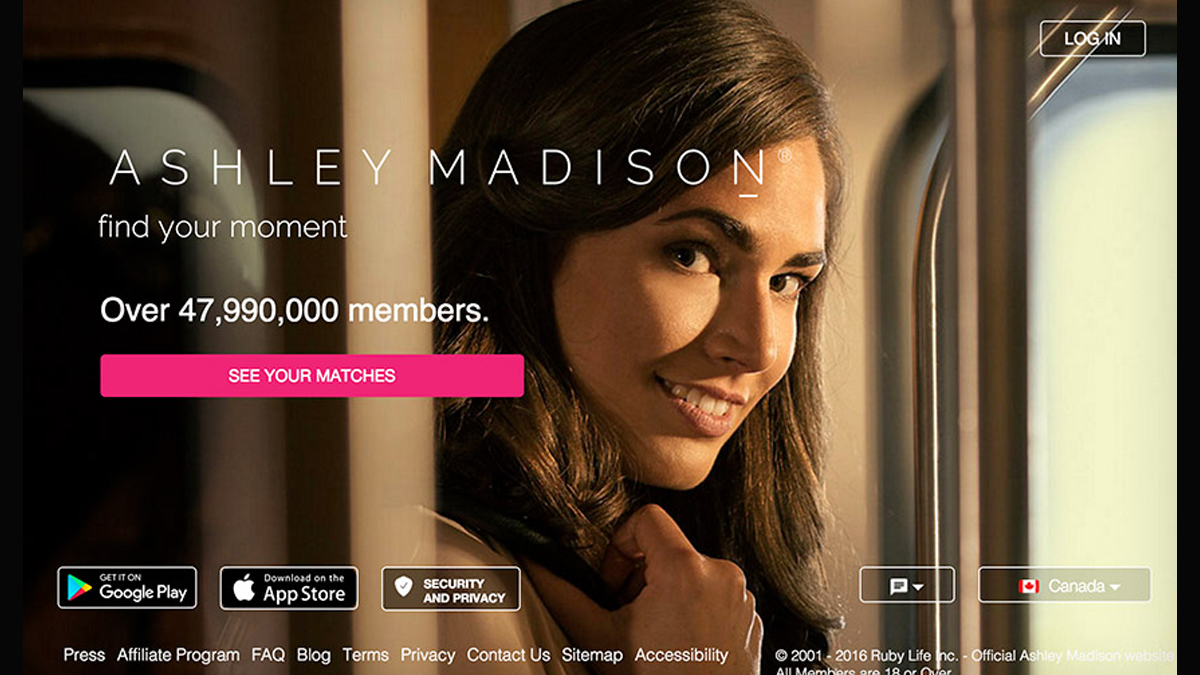
INDIA: Ashley Madison is shedding the “married-dating” label that defined it for two decades, repositioning itself as a platform for discreet dating in what it calls the post-social media age.
The rebrand, unveiled in India on 27 February, 2026, marks a structural shift in business model and identity. Once synonymous with married dating, the company now describes itself as the “premier destination for discreet dating” under a new tagline: Where Desire Meets Discretion.
The pivot is data-driven. Internal figures show that 57 per cent of global sign-ups between 1 January and 31 December, 2025 identified as single: a notable departure from the platform’s married core. The company argues that its community has already evolved beyond its original positioning.

“In an age where our lives have been constantly put on public display, privacy has become the new luxury,” said Ashley Madison chief strategy officer Paul Keable. He framed the platform’s offering as “ethical discretion” for singles, separated, divorced and non-monogamous users seeking private connections.
The shift also taps into wider digital fatigue. A global survey conducted by YouGov for Ashley Madison, covering 13,071 adults across Australia, Brazil, Canada, Germany, India, Italy, Mexico, Spain, Switzerland, the UK and the US, found mounting discomfort with hyper-public online lives.
Among dating app users, 30 per cent cited constant swiping and messaging as a source of fatigue, while 24 per cent pointed to pressure to curate public-facing profiles and early personal disclosure. Some 27 per cent said fears of screenshots or information being shared contributed to exhaustion; an equal share cited unwanted attention.
The retreat from oversharing appears broader. According to the survey, 46 per cent of adults actively try to keep most aspects of their life private online. Only 8 per cent feel comfortable sharing most aspects publicly, while 35 per cent say they are becoming more selective about what they disclose.
Ashley Madison is betting that this cultural recalibration towards controlled visibility can be monetised. By doubling down on privacy infrastructure and reframing itself around discretion rather than infidelity, the company is attempting to convert reputational baggage into a premium proposition.







