Applications
Alcatel, Samsung to develop mobile TV handsets in the S-Band

MUMBAI: France based comunications services provider Alcatel and Samsung Electronics have signed an agreement to develop mobile handsets compatible with the evolution of the DVB-H standard in the S-Band. This is part of Alcatel’s Unlimited Mobile TV solution. The two parties will collaborate on interoperability testing in order to deliver a seamless end-to-end solution to operators and a high quality Mobile TV service to end-users. Both companies will support the standardization process of this solution in the DVB Forum undertaken in the DVB-SSP (Satellite Services for Portable devices) Ad-Hoc Group, and join forces to market their combined solution. In a first step, this agreement covers Europe, where the S-band spectrum is available today. |
The solution in the S-Band allows complete territory coverage for Mobile TV at the scale of a country or even a continent, including inside buildings. Besides, this solution is compatible with DVB-H in UHF, which also enables the development of dual-mode UHF/ S-Band Mobile TV terminals. Samsung senior VP Kwang Suk Hyun says, “Samsung values its new cooperation with Alcatel for handsets in the S-Band, as it opens the door to a significant new business opportunity for Samsung in Europe. S-Band is a solution of choice in Europe for Mobile TV deployment and Samsung intends to be a major player in this business.” |
Alcatel’s mobile broadcast activities president Olivier Coste says, “We welcome Samsung as a new key stakeholder in the S-Band ecosystem for broadcast Mobile TV, as they enjoy a track record in fast Mobile TV handset development and go-to-market capability. Samsung’s endorsement of our hybrid mobile TV solution in the S-Band also demonstrates the attractiveness of this option for the Mobile TV industry at large.” The goal of Alcatel’s “Unlimited Mobile TV” solution is to make television available on mobile phones throughout rural and urban areas, including indoors, with a wide range of programming options and excellent image quality, regardless of the number of viewers simultaneously watching the same programme. This universal broadcast coverage is possible thanks to the unique combination of a high-power geo-stationary satellite for cost-effective nationwide coverage and a network of low power repeaters, co-located with mobile base stations, to provide urban and indoor coverage. This innovative solution uses an evolution of the DVB-H standard in the 2 GHz band (S-Band), a telecom frequency band between 2.17 and 2.2 GHz associated with satellite usage, which is adjacent to the 3G/UMTS band. This 30MHz band is currently available all across Europe. |

Applications
With 57 per cent single new users, Ashley Madison rebrands as discreet dating platform
Platform says majority of new members now identify as single
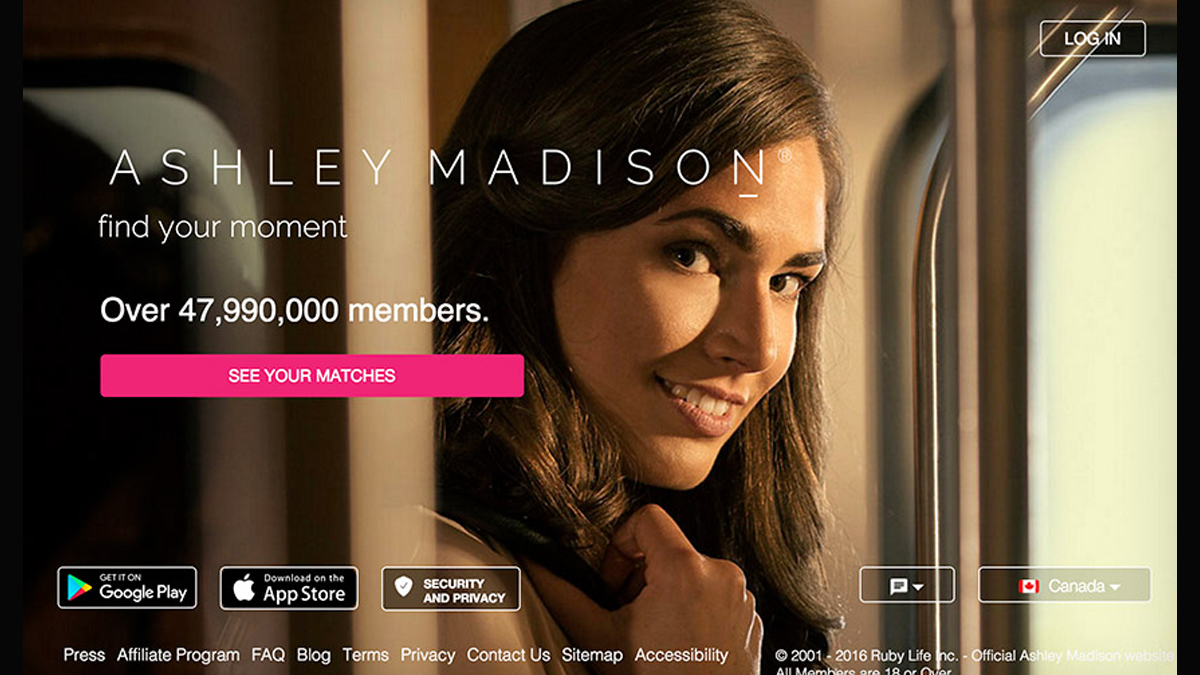
INDIA: Ashley Madison is shedding the “married-dating” label that defined it for two decades, repositioning itself as a platform for discreet dating in what it calls the post-social media age.
The rebrand, unveiled in India on 27 February, 2026, marks a structural shift in business model and identity. Once synonymous with married dating, the company now describes itself as the “premier destination for discreet dating” under a new tagline: Where Desire Meets Discretion.
The pivot is data-driven. Internal figures show that 57 per cent of global sign-ups between 1 January and 31 December, 2025 identified as single: a notable departure from the platform’s married core. The company argues that its community has already evolved beyond its original positioning.

“In an age where our lives have been constantly put on public display, privacy has become the new luxury,” said Ashley Madison chief strategy officer Paul Keable. He framed the platform’s offering as “ethical discretion” for singles, separated, divorced and non-monogamous users seeking private connections.
The shift also taps into wider digital fatigue. A global survey conducted by YouGov for Ashley Madison, covering 13,071 adults across Australia, Brazil, Canada, Germany, India, Italy, Mexico, Spain, Switzerland, the UK and the US, found mounting discomfort with hyper-public online lives.
Among dating app users, 30 per cent cited constant swiping and messaging as a source of fatigue, while 24 per cent pointed to pressure to curate public-facing profiles and early personal disclosure. Some 27 per cent said fears of screenshots or information being shared contributed to exhaustion; an equal share cited unwanted attention.
The retreat from oversharing appears broader. According to the survey, 46 per cent of adults actively try to keep most aspects of their life private online. Only 8 per cent feel comfortable sharing most aspects publicly, while 35 per cent say they are becoming more selective about what they disclose.
Ashley Madison is betting that this cultural recalibration towards controlled visibility can be monetised. By doubling down on privacy infrastructure and reframing itself around discretion rather than infidelity, the company is attempting to convert reputational baggage into a premium proposition.