Applications
3D under spotlight at SVG Europe’s football production summit

MUMBAI: 3D and 4k technologies will go under the spotlight at SVG Europe’s inaugural Football Production Summit, scheduled to take place in Paris on 29 February.
Moderated by SVG Europe’s Advisory Group chairman Peter Angell who is director of production and programming at Fifa World Cup host broadcaster HBS, this forward-looking session will examine what can be learned from the implementation of 3D across the continent in the English Premier League, Bundesliga, Uefa Champion’s League and other sports.
It will also look at whether 4k can gain a foothold on the continent, or is it a technological dead-end on the path to super hi-vision and 8K?
Joining the debate at this event are panellists BSkyB 3D operations and development manager Robin Broomfield; 3ality Technica CEO Steve Schklair, Cameron Pace Group co-founder Vince Pace and Can Communicate creative director Duncan Humphreys.
The experts will discuss how 3D is affecting the production of sport despite the pace of technological change across Europe not being even and the perception in some markets that 3D is just a gimmick. Some countries have been HD for years and are vastly experienced in 3D production; others, however, are still producing in SD, 4:3. These are challenges that the panel of experts will address.
The event will also feature an opening address from Uefa’s head of TV production Bernie Ross, representatives from Italian football club AC Milan, English Premier League club Manchester City and England’s Football League. They will be joined by speakers from Sony, Perform, Stats, Opta, deltatre and Wasserman Media group in panels covering ‘Football Broadcast Technologies’, and ‘Football Club Perspectives’.

Applications
With 57 per cent single new users, Ashley Madison rebrands as discreet dating platform
Platform says majority of new members now identify as single
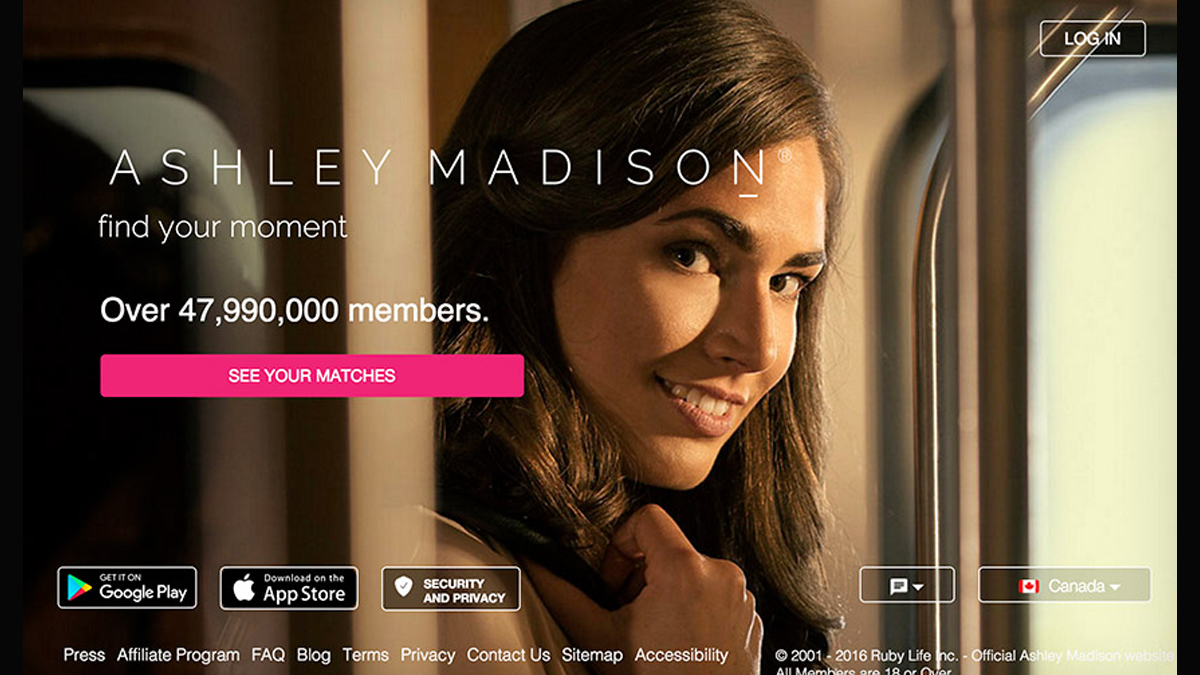
INDIA: Ashley Madison is shedding the “married-dating” label that defined it for two decades, repositioning itself as a platform for discreet dating in what it calls the post-social media age.
The rebrand, unveiled in India on 27 February, 2026, marks a structural shift in business model and identity. Once synonymous with married dating, the company now describes itself as the “premier destination for discreet dating” under a new tagline: Where Desire Meets Discretion.
The pivot is data-driven. Internal figures show that 57 per cent of global sign-ups between 1 January and 31 December, 2025 identified as single: a notable departure from the platform’s married core. The company argues that its community has already evolved beyond its original positioning.

“In an age where our lives have been constantly put on public display, privacy has become the new luxury,” said Ashley Madison chief strategy officer Paul Keable. He framed the platform’s offering as “ethical discretion” for singles, separated, divorced and non-monogamous users seeking private connections.
The shift also taps into wider digital fatigue. A global survey conducted by YouGov for Ashley Madison, covering 13,071 adults across Australia, Brazil, Canada, Germany, India, Italy, Mexico, Spain, Switzerland, the UK and the US, found mounting discomfort with hyper-public online lives.
Among dating app users, 30 per cent cited constant swiping and messaging as a source of fatigue, while 24 per cent pointed to pressure to curate public-facing profiles and early personal disclosure. Some 27 per cent said fears of screenshots or information being shared contributed to exhaustion; an equal share cited unwanted attention.
The retreat from oversharing appears broader. According to the survey, 46 per cent of adults actively try to keep most aspects of their life private online. Only 8 per cent feel comfortable sharing most aspects publicly, while 35 per cent say they are becoming more selective about what they disclose.
Ashley Madison is betting that this cultural recalibration towards controlled visibility can be monetised. By doubling down on privacy infrastructure and reframing itself around discretion rather than infidelity, the company is attempting to convert reputational baggage into a premium proposition.






