Research
694 mn people use internet worldwide: Survey

|
MUMBAI: A total of 694 million people, age 15+, used the internet worldwide from all locations in March 2006, representing 14 per cent of the world’s total population within this age group.
These findings were delivered by the US-based comScore Networks, which looked at countries that comprise 99 per cent of the global internet population.  |
||||||||||
|
The company also announced the launch of comScore World Metrix, which provides an estimate of global online audience size and behavior. comScore World Metrix includes measurement of the major Asian countries, including China, Japan, India and Korea, which represent nearly 25 per cent of the total worldwide online population (or 168.1 million users), and which, in the aggregate, are 11 per cent larger than the U.S. (152 million users). |
||||||||||
|
“Today, the online audience in the U.S. represents less than a quarter of Internet users across the globe, versus ten years ago when it accounted for two-thirds of the global audience,” said comScore Media Metrix president and CEO Peter Daboll. “This is a sea change of enormous proportion, and comScore is pleased to be able to provide measurement to aid the world’s largest marketers in understanding how the world uses the Internet.”
MSN International vice president of sales Chris Dobson said, “Previously, MSN has attempted to harmonize disparate sources of data to get a global view. The fact that comScore World Metrix data are produced with a consistent methodology worldwide will make a significant difference, enabling us to analyze what is happening globally and truly understand consumer online behavior.”
“This is a significant step forward for the industry and timed perfectly as the importance of markets outside the US grows, especially rapidly developing countries like China and India, which up to now have not enjoyed such insight,” he added.
comScore also issued a preview of the top fifteen media properties worldwide, with MSN- Microsoft Sites topping the list with 538.6 million global users, followed by Google (495.8 million users), and Yahoo! (480.2 million users). Yahoo! Sites however, led all global properties in page views with 137.2 billion page views during March, followed by Google (108.7 billion page views), and MSN- Microsoft Sites (96.2 billion page views). comScore will officially release World Metrix statistics with the issuance of May data in June.
“While the ‘big three‘ properties remain consistent among worldwide and U.S. audiences, Wikipedia has emerged as a site that continues to increase in popularity, both globally and in the U.S. Wikipedia’s popularity demonstrates the global power of the Web to unite and provide information across countries and languages, but the full extent of its global appeal is only measurable through this new worldwide measurement,” Daboll added. |
||||||||||







MUMBAI: Food and travel are officially the ultimate power couple.
As National Tourism Day approaches, the Godrej Food Trends Report 2024 has spotlighted culinary tourism as the driving force behind a revolution in Indian travel. No longer a side dish to the main event, food has claimed centre stage, transforming vacations into unforgettable, flavour-filled journeys.
In 2024, Indians travelled more frequently and for longer durations, with vacation spending surging nearly 25 per cent. A significant chunk of this increase was fuelled by travellers seeking unique and immersive culinary experiences that connected them to local cultures. Whether exploring bustling spice markets or learning time-honoured recipes from community experts, food became the heartbeat of modern Indian vacations.
The Godrej Food Trends Report 2024, curated by Godrej Vikhroli Cucina with insights from over 190 food experts, revealed the top culinary trends shaping Indian travel:
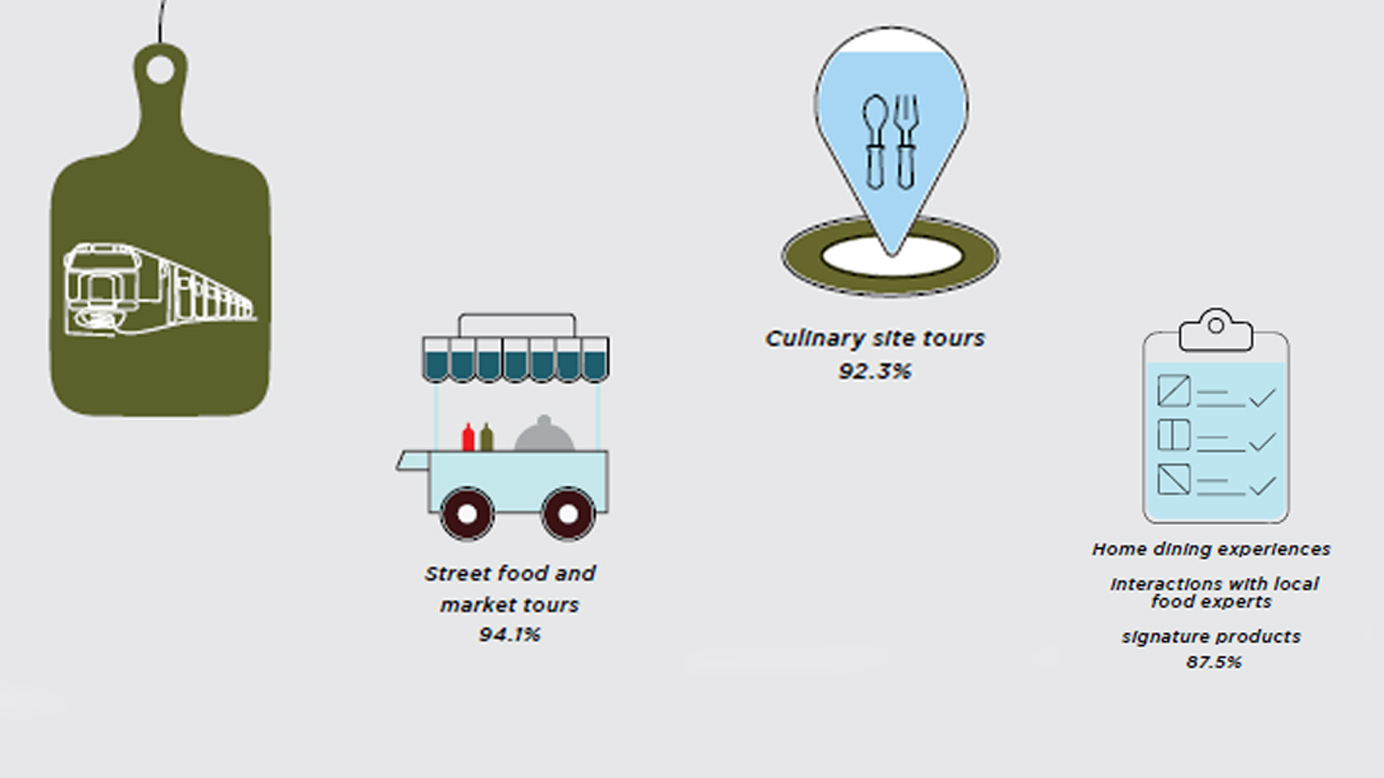
1. Street food and market tours
With 94.1 per cent of experts highlighting their popularity, vibrant food streets and spice markets emerged as must-visit attractions. From the zesty flavours of pani puri to the aromatic whiffs of garam masala, travellers immersed themselves in the diverse culinary fabric of India.
2. Culinary site tours
Nearly 92.3 per cent of experts predicted continued interest in these immersive experiences, where travellers visited tea estates, artisanal cheese hubs, and other production sites. These tours offered behind-the-scenes glimpses into the craft of food making, adding an educational edge to the journey.
3. Home dining experiences and local expertise
Around 87.5 per cent of experts noted a surge in travellers booking home dining experiences. These intimate interactions with local experts allowed visitors to learn traditional cooking techniques, taste signature regional products, and gain a deeper appreciation for India’s culinary heritage.
“Food is no longer just a part of the travel experience, but its very essence,” said A Perfect Bite Consulting MD & the annual report editor Rushina Munshaw Ghildiyal. “Today’s travellers are not just seeking destinations but connections—immersive, authentic experiences that allow them to explore the heart of a place through its culinary heritage. Whether it’s walking through vibrant spice markets, learning traditional recipes from local experts, or savouring unique regional flavours, food has become the bridge that links people to cultures and stories,” she elaborated.
This surge in culinary tourism isn’t just reshaping Indian vacations; it’s creating opportunities for local communities and small brands to showcase their culinary culture. From bustling street vendors to small-scale producers, the movement is helping amplify India’s rich food heritage on a global stage.
As the country celebrates National Tourism Day, travellers are invited to embrace the fusion of food and travel—a blend that promises to redefine how people experience culture and destinations in the years to come.
The Godrej Food Trends Report 2024 is available for download at www.vikhrolicucina.com.