Press Release
Wherever they go, Spy cams follow

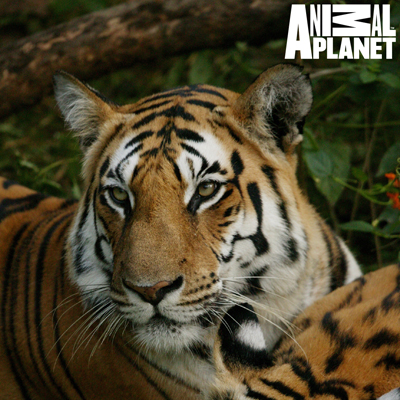
MUMBAI: Taking natural-world filmmaking to an unparalleled scale, Animal Planet’s new series SPY IN THE WILDbrings most engaging and secret stories of some of the most intriguing and charismatic animals present on this Earth. Award winning teams of directors and cameramen employ remote-controlled buggy-cameras, buried periscopes and state-of-the-art technologies to bring forth the lives of world’s famous animals.
Starting May 1st, every night at 10 pm on Animal Planet, SPY IN THE WILDgives a new perspective on the behaviour, emotions, intelligence and extreme survival tactics used by animals. Specially designed cameras and the latest technology allow the viewers to really get to know the species that include lions, elephants, polar bears, tigers and penguins.
For the first time, state of the art ‘SpyCreatures’ infiltrate the dolphins’ underwater world, often interacting and engaging the curiosity of the dolphins themselves, offering a unique glimpse of their intelligence and personalities. The sensational ‘Bouldercam’ takes viewers to within a whisker of the lion. The programme also introduces ‘Dungcam’ and applies the revolutionary brand of photography to perhaps the most popular of all animals – the African Elephant. Using the‘Tuskcams’ and ‘Trunkcams’, the crew uses intelligence and sensitivity of elephants and seeks support to carry the cameras on their tusks and trunks to film the tigers wherever they go, even on the move.With bouldercam’s revolutionary sound system, the television vibrates to the purrs, roars, yelps and barks of these highly vocal animals.The team also uses mini-cranes, buried cameras and tracking vehicles to grab the action.

Production Facts
1. For the three-part special Penguins – Spy in the Huddle, 1,000 hours of intimate behaviour were recorded – almost nothing that happened on the colony was missed. With emperor penguins, this proved to be the longest continuous shoot of emperors ever made – more than 330 consecutive days. The overwintering crew was totally isolated for 8 months, with no contact with the outside world beyond a satellite uplink, in temperatures as low as -60?C. There were only 10 days when they didn’t film.
2. Humboldt penguins are shy birds and have hardly ever been filmed. Spycams played a key role in the 165 days of filming.
3. For Dolphins – Spy in the Pod, 900 hours of intimate behaviour were recorded over the course of 1 year, in countries as diverse as Mozambique, Canada, Florida, South Carolina, Honduras, Costa Rica, Australia, South Africa and Argentina.
4. In the course of the filming period, they dived over 1500 times and spent nearly 3000 hours at sea filming with the Spy Creatures and dolphins in all weathers. Over half of the filming took place via free diving (as opposed to using scuba gear), in depths ranging from shallow coral reefs to nearly 70 feet deep!
Episode Details:
Tiger – Spy in the Jungle: The elephant camera crew reveals the incredible story of four cubs growing up in this previously unseen world. By following the tiger, the camera-carrying elephants uncover a wildlife world every bit as rich as that of Africa, encountering sloth bears – a rarely filmed bear with a unique character, famous for carrying its comical babies on its back – and leopards, the tiger’s major competitor. The episode also brings to light the extraordinary red dogs. These fearsome creatures race through the jungle in huge packs, striking fear into anything in their path.
Polar Bear – Spy on the Ice: Shot mainly using spy cameras, this episode gets closer than ever before to the world’s greatest land predator.Icebergcam, Blizzardcam and Snowballcam are a new generation of covert devices on a mission to explore the Arctic islands of Svalbard in Norway. Backed up by Snowcam and Driftcam, these state-of-the-art camouflaged cameras reveal the extraordinary curiosity and intelligence of the polar bear. The cameras also follow the bears as they hunt seals, raid bird colonies, dive for kelp and indulge in entertaining courtship rituals. Icebergcam even discovers their little-known social nature as seven bears share a washed-up whale carcass.
Elephants – Spy in the Herd: Elephants show many human similarities – life span, social structure, wisdom of age and emotional bonds – which allows this series to connect even more strongly with the audience. The cameras are disguised as elephant dung. These come in different versions and use different lenses. Shots are captured as the cameras are carried by the elephants or even kicked like a football. The intimacy of the ‘dungcams’ images reveal the subtleties of elephant life in a way that has never been seen before.
Dolphins – Spy in the Pod is a magical underwater adventure. Dolphins are one of the most social and playful animals on the planet. Using the trademark blend of extraordinary imagery,analysis of behaviour and moments of humour, the episode looks at thesecret lives of one of the world’s most popular and charismatic animals.
Lion – Spy in the Den makes us imagine sitting just a whisker away, watching lion cubs growing up learning to be lions themselves, and getting into all kinds of trouble. Out on the African plains, right under the lion’s nose, ‘bouldercam’ – a state-of-the-art mini camera and buggy with surround sound, all hidden in a ‘boulder’ – trundles along.
Penguins – Spy in the Huddle: The amazing technical wizardry of the penguincams allows them to blend into these penguin colonies, allowing a closer view of the creatures than ever before as they immerse themselves in the penguin world, both on land and at sea.Penguins – Spy in the Huddle spends nearly a year in their close company, deploying 50 spycams to capture as never before the true character of three very different, yet equally charismatic, birds








Bali is full of memorable moments, and some of them involve animals. Temple monkeys tug at bags, beach dogs nap near sunbeds, and cats wander into cafés like they own the place. Most interactions are harmless, but a bite or scratch can change the day quickly, because you may need immediate medical care and follow-up treatment. This is where Bali travel insurance becomes more than a box to tick.
In this article, you will explore whether animal bite treatment is insured, the exclusions, and the steps to claim easily in Bali.
Why Animal Bites in Bali Need Special Attention
Bites are not only about the visible wound. Insurers and doctors both treat them as medical events that can pose an infection risk, especially when the bite breaks the skin.
A scratch that looks small in the moment can still lead to:
● A doctor’s examination and wound cleaning
● Medicines and dressings
● Follow-up consultations if the doctor advises observation or further care
From an insurance perspective, this matters because claims are usually assessed on medical necessity and documentation, not on how dramatic the injury appears in a photo.
How International Travel Insurance Looks at an Animal Bite
Most travel policies are built around emergency medical expenses for unexpected illness or accidental injury abroad. A bite or scratch usually fits the accidental injury bucket, but coverage is rarely blanket.
In many plans, the following may be considered if a doctor prescribes them and bills and medical notes support them:
● Consultation and outpatient treatment
● Emergency care and procedures, such as wound dressing or stitches, if clinically required
● Prescribed medicines and investigations
● Hospitalisation if the treating doctor confirms it is needed
Common Reasons Claims Get Reduced or Rejected
This is the part travellers often miss. Insurers usually do not deny claims because an animal was involved. Claims become difficult when the event looks avoidable, the reporting is delayed, or the paperwork is weak.
Avoidable-Risk Situations Insurers Scrutinise
Policies commonly exclude or limit claims linked to unsafe conduct or preventable exposure. For animal bites, scrutiny may increase if the incident appears connected to:
● Provoking, feeding, or trying to handle wild animals
● Ignoring warning signs at tourist spots
● Being intoxicated at the time of the incident
● Activities that a policy lists as excluded or restricted
The takeaway is simple: if your own description sounds like a risky choice rather than a sudden accident, the insurer may challenge it.
Delays, Missing Papers, and Policy Conditions
Even when your incident is genuinely accidental, claims can still stall due to basics such as:
● Not informing the insurer or assistance partner within the required time
● Missing itemised bills, prescriptions, or clinical notes
● No proof of travel dates or passport entry details when requested
● Submitting only pharmacy slips without a doctor’s consultation record
International travel insurance is paperwork-driven. If you document it well, you reduce the chance of avoidable back-and-forth.
What to Do If You Are Bitten or Scratched in Bali
Your health comes first, always. But a few sensible steps can protect your recovery and keep your insurance file clean.
Medical Steps That Help You and Your Claim
Act fast, stay calm, and get proper care before worrying about bills.
● Clean the wound promptly and seek medical care, even if it seems minor
● Follow the doctor’s advice, including follow-ups if recommended
● Avoid self-medicating in place of a clinical assessment, because insurers often ask for a doctor’s report
Claim Notes and Documents to Collect
Keep these handy; they’ll save time and avoid follow-up questions later.
● Doctor’s notes that mention the nature of injury, treatment given, and advised next steps
● Prescriptions and pharmacy invoices
● Itemised hospital or clinic bills
● A brief written note of where and when it happened, while it is still fresh in your mind
Final Word
Animal bites in Bali are not rare, and they are not always dramatic, which is exactly why travellers underestimate them. Many travel policies can cover bite-related medical treatment when it is accidental and medically necessary, but the outcome depends on your policy terms and the quality of your documentation. If you buy cover thoughtfully, keep the assistance number handy, and respond sensibly if an incident happens, you give yourself the best chance of both good medical care and a smoother claim experience.






