News Broadcasting
Sahara Media Group hires Alok Nair as chief commercial officer

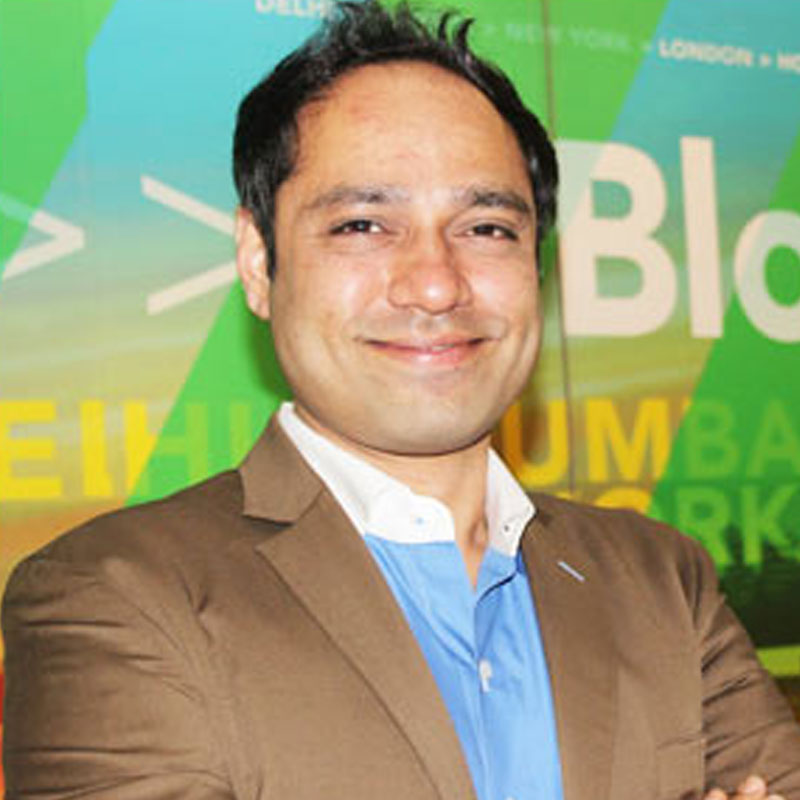
MUMBAI: Sahara Media Group, which includes Sahara’s electronic news channel bouquet of national and regional channels, Rashtriya Sahara editions of Hindi newspapers, as well as Rashtriya Roznama editions of Urdu Newspapers are undergoing strategic and structural changes in terms of content, technology, branding and distribution. Under the process, the group has hired Shri Alok Nair as a Chief Commercial Officer. Shri Nair will contribute in evolving an effective commercial strategy for the Media network. Shri Nair comes with a strong experience in the field of Media broacasting of about two decades with Bennet & Coleman Group, Network 18 and Bloomberg TV India in the past.
On the ongoing changes, Guardian of the Sahara Media Group, Mr. Abhijit Sarkar said, “There is an evident change in media consumption habits, which needs to be understood, apprehended and calibrated to. We are confident that the current strategic changes undertaken the present team at Sahara Media Group will help in better leveraging the depth of our network along with notching up scales to current and future requirements of the viewers.”
Sahara Media Group, CEO & Editor In Chief of Mr. Arup Ghosh, said, “ Sahara Media group is one of the biggest full play media house in the country that cater to regional & national audiences through all mediums – Print, Digital & Broadcast. The group has always remained an Indian hallmark in terms of its technological investments and has one of the widest news gathering or dissemination network. With changes emerging in the entire space of news gathering, dissemination, analysis, presentation and consumption, we are on the path of reinventing ourselves and reclaiming the position, which we deserve, based on our intrinsic strengths. The last few months we have been focusing on content revamp and very soon our viewers will see an energized sharp product. Shri Alok Nair has joined the team and will work on evolving a robust sales and marketing strategy plus contribute towards creation of a robust marketing and branding strategy. We welcome Shri Alok Nair on board and are sure that his experience and skills will help us in achieving our goals.”


News Broadcasting
CNN-News18 to host Fury in the Gulf conclave on West Asia crisis
Three-hour summit to unpack geopolitical fallout and impact on India
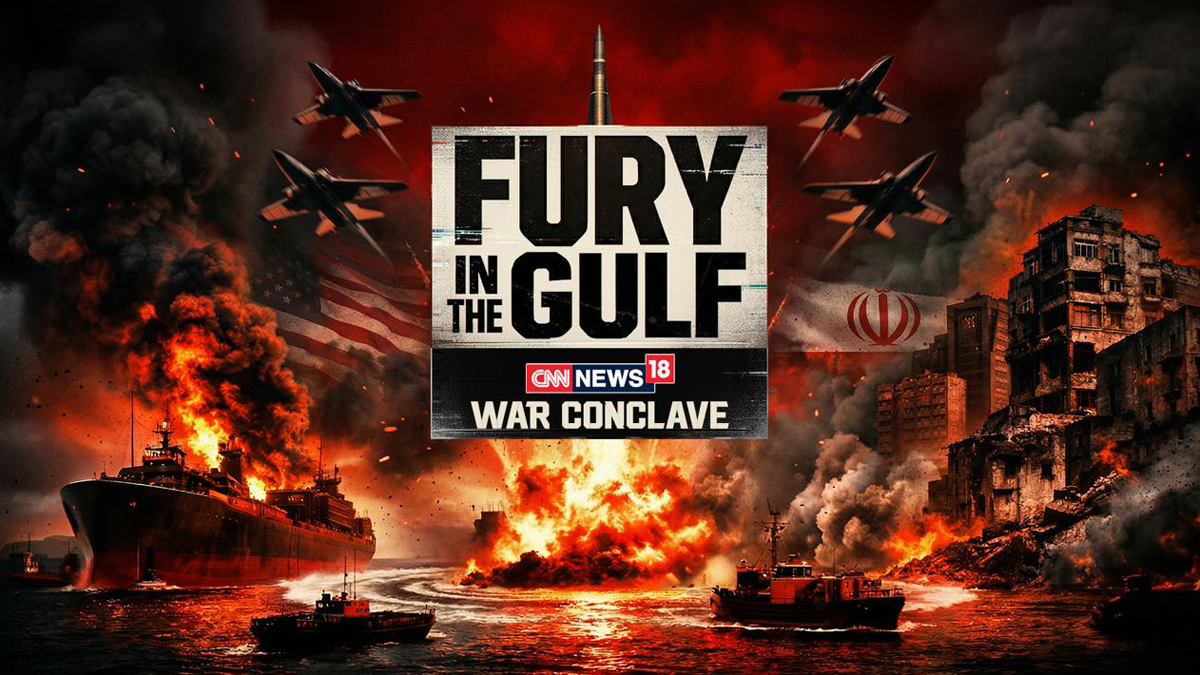
MUMBAI: CNN-News18 is set to host a special three-hour broadcast, Fury in the Gulf – War Conclave, on April 7, aiming to decode the escalating West Asia crisis and its far-reaching implications for India.
Scheduled from 4:00 PM to 7:00 PM, the conclave comes at a time when tensions between Iran and the United States are reshaping global geopolitics and triggering economic uncertainty. With India’s deep energy ties, trade links and large diaspora in the Gulf, the developments carry significant domestic relevance.
Built around the theme ‘Conflict, Consequences, and The Future,’ the programme will feature six curated sessions combining one-on-one interviews and panel discussions. The focus is to cut through the clutter and offer viewers a clearer understanding of the fast-evolving situation.
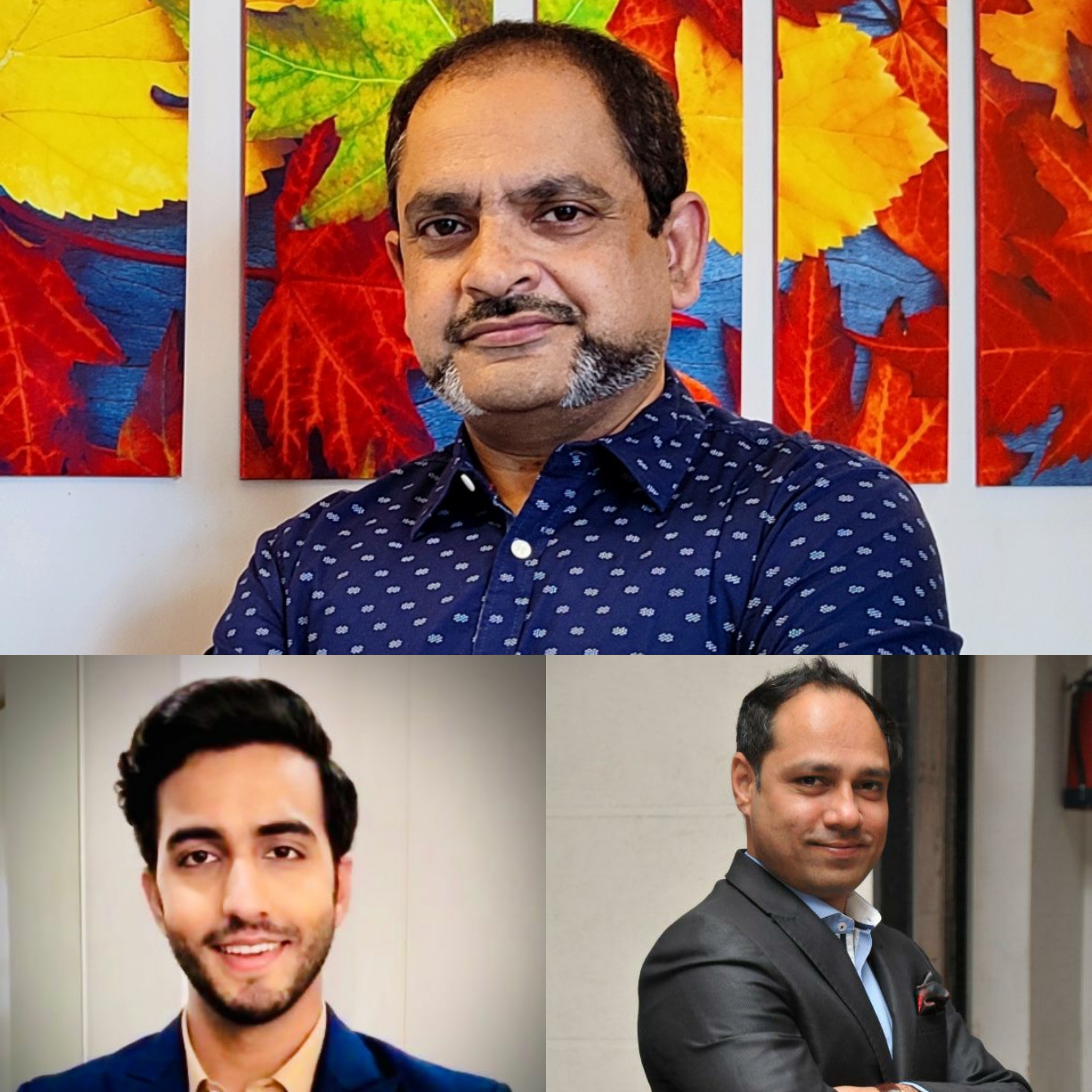
Key sessions include ‘Diplomacy in Times of War’ featuring Shashi Tharoor, and ‘World After the Iran Conflict’ with voices such as Ram Madhav, Reuven Azar, representatives from the European Union and the Iranian Deputy Envoy. Another session titled ‘Another Dunkirk?’ will bring together K. J. S. Dhillon and Jitin Prasada among others.
CNN-News18 editorial affairs director Rahul Shivshankar said, “In times of war, clarity becomes the most powerful tool. Fury in the Gulf – War Conclave brings together credible voices to address the questions and confusion that arise amid an overwhelming influx of information.”
He added that the initiative is aimed at delivering “facts, perspective, and insight” at a time when misinformation can easily cloud public understanding.
Echoing the sentiment, CNN-News18 CEO– English and business news Smriti Mehra said the conflict marks a defining global moment, with consequences that extend well beyond the region. She noted that the conclave seeks to present the crisis with “depth, nuance and responsibility” so audiences can better grasp its real-world impact.
As geopolitical tensions continue to dominate headlines, the conclave positions itself as an attempt to bring order to the noise, offering viewers a structured, insight-led look at a complex and rapidly shifting global situation.






