People
Kedar Teny joins Tilt Brand Solutions as Chief Strategy Officer

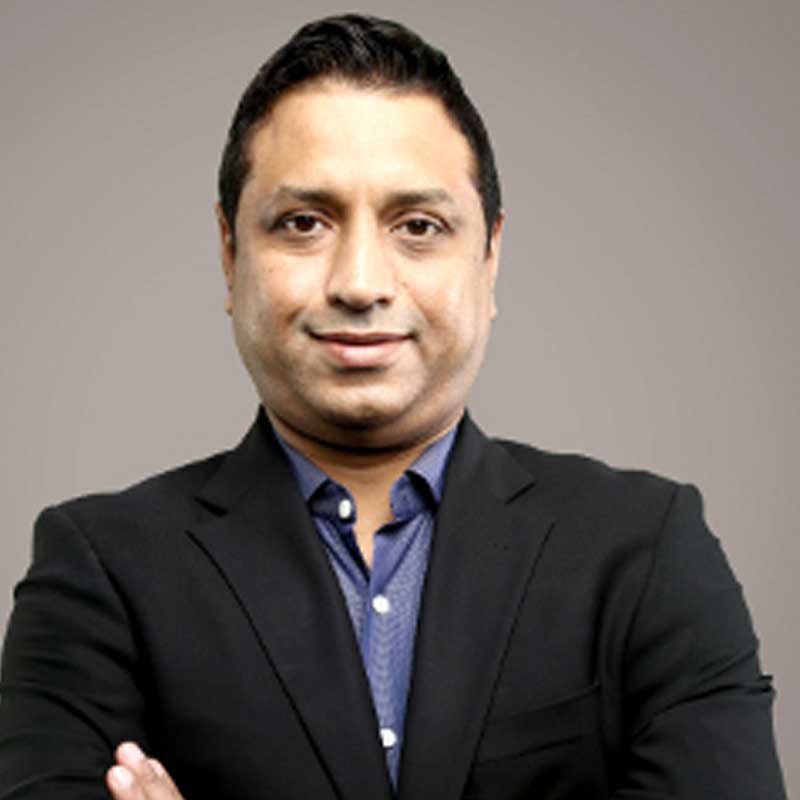
MUMBAI: The sharp & agile Marketing Consultancy, Brand Communication, Content & Production services company: Tilt Brand Solutions, has appointed Kedar Teny as Chief Strategy Officer.
As a part of his role, Kedar Teny will be responsible for shaping the ‘Full Brained Thinking’ consulting practice, a first of its kind strategic planning approach in India. He will be leading a team of handpicked diverse practitioners of big data, digital media planning and behavioural science to combine and harness the power of left brain and right brain to provide holistic solutions to marketing problems.
Says Joseph George, Founder & MD, Tilt Brand Solutions “At Tilt he will be a part of the leadership team and will lead the Strategy function. In-line with hand-picking our talent at Tilt, Kedar embodies the Full-Brained Thinking approach through his vast prior experience and tenacity to deliver both, on business objectives as well as creative excellence”.







People
BBC appoints Matt Brittin as 18th Director-General
Former Google EMEA president to lead broadcaster from May amid global change
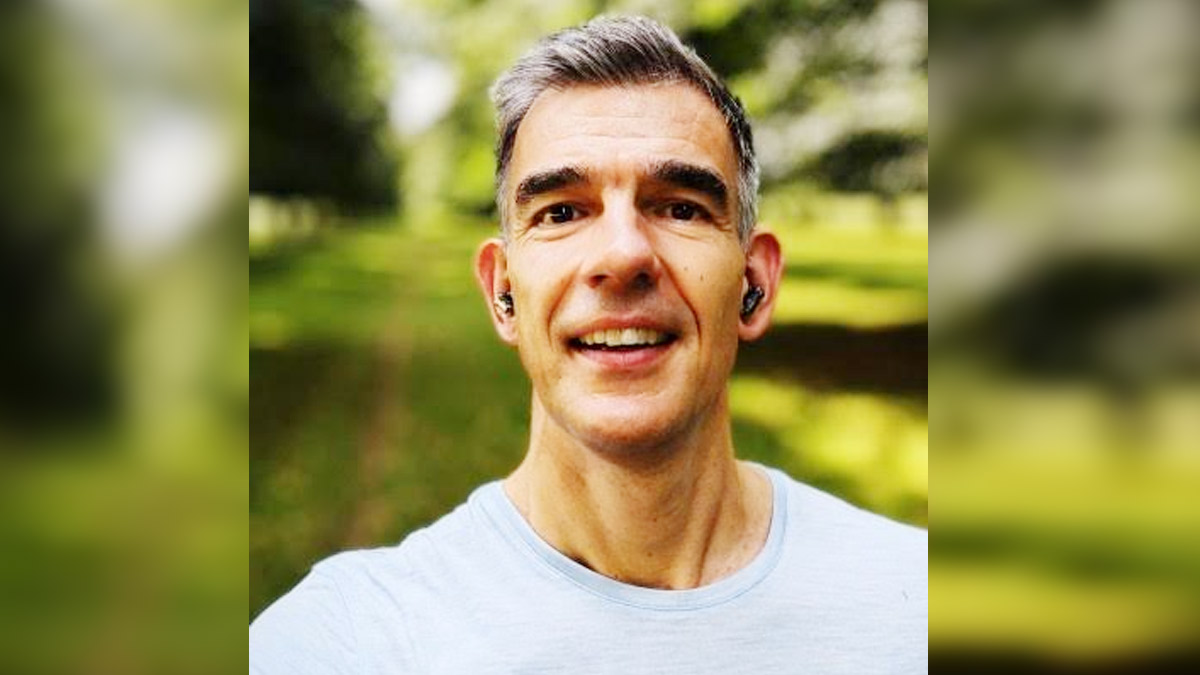
LONDON: The BBC has named Matt Brittin as its 18th Director-General, placing a seasoned technology and media leader at the helm of one of the world’s most influential public broadcasters. He will formally assume the role on 18 May.
Brittin steps into the position after a brief “gap year”, as he described it, returning to the spotlight with a job that, in his own words, was “probably not one either you or I were expecting”. The appointment signals a strategic tilt towards digital expertise at a time when traditional broadcasting continues to evolve at pace.
The new Director-General brings more than 18 years of experience from Google, where he held several senior roles, including President for Europe, the Middle East and Africa. During his tenure, he played a central role in expanding the company’s footprint across Europe and shaping its regional strategy.
More recently, Brittin served as Senior Independent Director at The Guardian, adding boardroom insight from one of Britain’s leading news organisations. His career also spans roles at McKinsey, Trinity Mirror and Sainsbury’s, giving him a broad perspective across media, retail and strategy.
The Director-General position carries dual responsibility as chief executive officer and editor-in-chief, overseeing the BBC’s creative, editorial and operational direction both in the UK and globally. It is a role that demands not just leadership, but a steady editorial compass in an increasingly complex media landscape.
“Now, more than ever, we need a thriving BBC that works for everyone in a complex, uncertain and fast changing world,” Brittin said. He added that the broadcaster remains “an extraordinary, uniquely British asset” with a legacy of innovation in storytelling and technology.
His appointment comes at a moment when public service broadcasters are under pressure to balance tradition with transformation, navigating shifting audience habits, digital disruption and funding debates. Brittin’s blend of Silicon Valley scale and British media sensibility may prove timely.
With “big challenges and big opportunities” ahead, Brittin appears ready to get started. The real test begins in May, when he moves from anticipation to action at Broadcasting House.






