News Broadcasting
JJ VALAYA for Aamby Valley India Bridal Fashion Week 2013

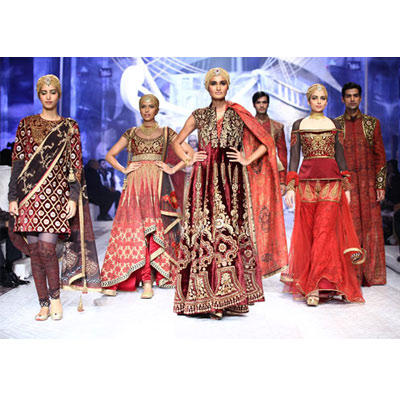
MUMBAI, The opening of Indian Bridal Week, 2013 Delhi Edition was by the renowned couturier whose name is synonymous with Opulence, royalty, and rich cultural heritage of India, especially, when it comes to Haute couture. JJ Valaya marked the beginning of this extravagant bridal week with his grand show. The collection-‘The Maharaja of Madrid’ is about a factitious voyage of a Monarch who was fascinated by the Spanish art, customs and forms. JJ Valaya’s show was presented by the AMR group. The whole set designed by Schenographer Sumant Jayakrishnan was extravagant and grand in every aspect. It was a visual treat for the audience who were mesmerized by the whole ambiance of this visual spectacle. Big white royal umbrellas were set, which depicted the scene of some king’s court, with models sitting on the thrones wearing white ensembles and chunky Indian jewellery, like king and queens of Mughal Era. The quintessentially royal and opulent element which was prevalent during the whole show has always been an integral part of Valaya’s shows.
The show began with the music of birds chirping in the background, and with a male model that was playing a traditional trumpet like instrument on the ship which was right in the middle of this opulent set. The dancers rowed in white sarees gave a beautiful Kathak dance performance, together in synchronization with another dancer, who in a red evening gown, did a Spanish foot tapping dance. The specially crafted soundtrack for this particular performance was by Gaurav Raina of Medieval Pundit, and it was indicative of the fusion of Indian and Spanish cultures, forming the essence of Vallaya’s Collection for this show. The collection is divided into 5 sub-inspirations and is an amalgamation of Spanish and Indian elements. He not only incorporated the spirit of history into his avant-garde creations with finesse but also made sure that the richness of his inspiration stays intact.
The first section of the show presented collection inspired by the laces found in Spanish fans and headgears. It also displayed grandeur of Indian Jewels juxtaposed with beautiful ensembles like sarees, long-collard coats over sarees in ivory. Even men collection showcased a very intricately light embroidered sherwani and also a long anarkali like attire teamed with hanging tassles.

The second part of the show was truly inspired by the Manton de Manila- huge fringed shawls of Spain. The collection showcased the big floral prints in harmony with Indian Jamawar in paisley pattern. The blue tulle gown, with top part of the ensemble, intricately embroidered in Jacquard pattern was truly eye capturing. Beautiful bolero jackets embroidered in similar fashion was also seen paired with the gown, giving the royal touch, to the whole ensemble. The big floral, jacquard embroidered lehengas inspired by Spanish tradition were really seen beautifully blended with Indian attires.
JJ Valaya’s third part of the collection was inspired by the murals of Mexican artist, Diego Rivera who started his career with a famous Spanish artist Eduardo Chicharro. His frescos combined with the unrivalled beauty of Indian Miniature art formed the collection which was mainly in the hues of reds and blacks. Floor sweeping, long spaghetti strapped dress with a criss-cross back was truly awe-inspiring because of the intricate thread work. In men’s collection, sherwanis with bundgala were seen which were teamed with black straight fitted pants.
The next section, inspired by the armors of Spain and India, showed wide array of collection in fine metal embroideries, velvets, tulles and Georgettes. A deep maroon, velvet jacket with fine metal embroidery at the front, and in combination with wispy tulle fabric was a real stunner.
The final collection was inspired by the bull fighters of Spain also known as Toreros. In men’s collection, long ankle length sherwanis in red and heavy gold zardosi work in gold and black captured the attention. Another was the georgette sari in red print with studded gold work and teamed with turban like head gear with a lavish beautiful broach studded in the middle of the turban. To conclude the show, Kabir bedi walked the ramp in royal, long, velvet sherwani with heavy intricate gold work all over, together with thread work at hems and borders. It was was teamed with a turban and kali. The second show stopper of the evening was Kangana Ranaut, who showed up in floor sweeping lehenga in gold work, with the incorporation of paisley patterns.
AMR Group, a diversified business conglomerate with business interest in different industry verticals, feels honored to associate with JJ Valaya – Kapil Aggarwal, MD AMR Group “A name of repute in the fashion domain, one that has won laurels on myriad national and international platforms. He is indeed one of the biggest names when it comes to bridal trousseau in India. He has that flair and knack of seamlessly blending the contemporary with the traditional. AMR is delighted at the fact that India Bridal Fashion Week is being organized in the national capital for the very first time. As a business entity that’s been at the forefront of fashion & related developments in the region we feel proud to partner with it.”

News Broadcasting
News18 India launches Command Centre war explainer with Arya
New show shifts from debates to decoding global conflicts and impacts
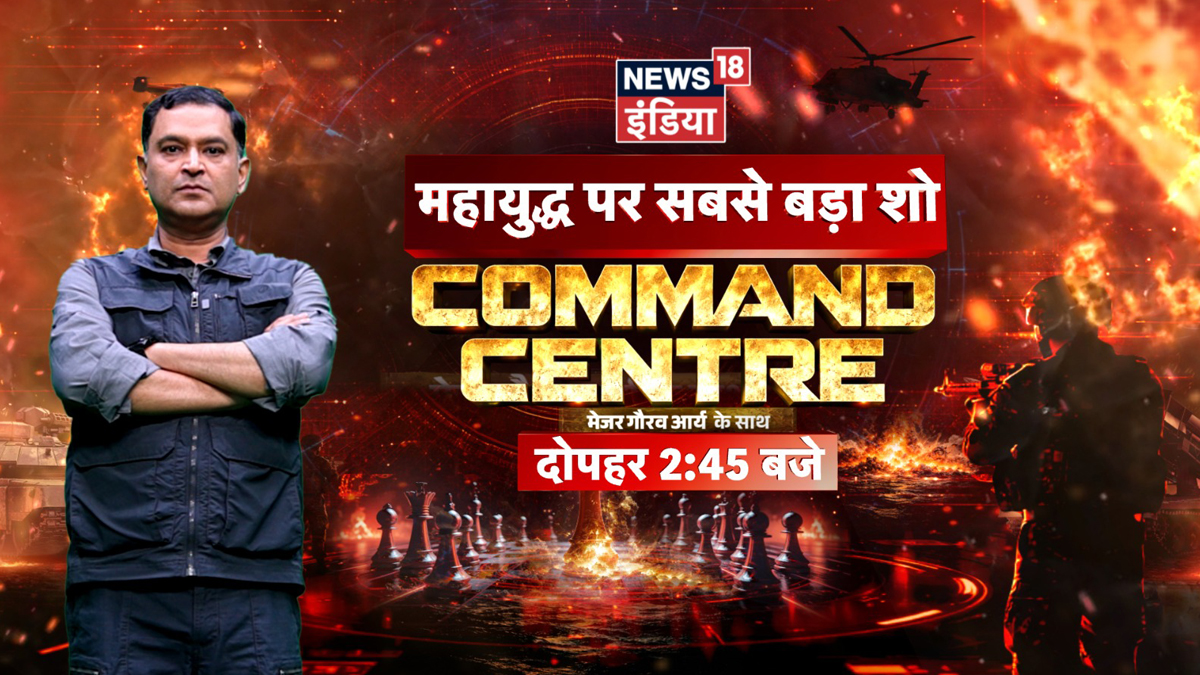
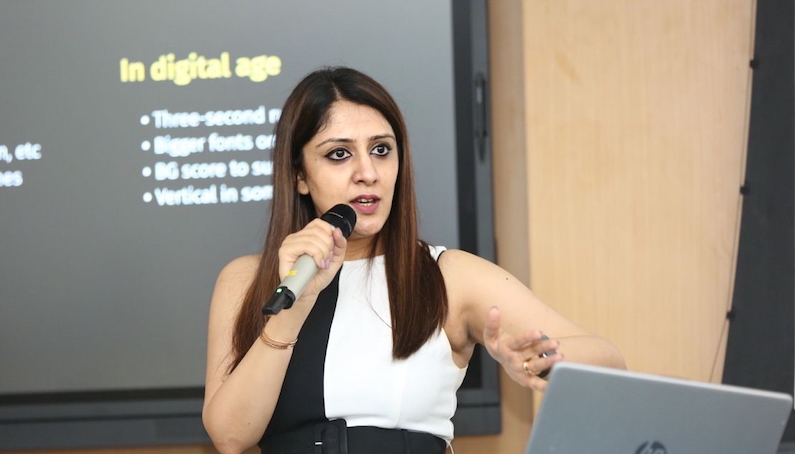
MUMBAI: News18 India has rolled out a new war-focused programme, Command Centre, featuring Gaurav Arya, as it looks to offer viewers a sharper, more grounded take on global conflicts amid rising tensions in West Asia.
Positioned as an “insider war room”, the show moves away from conventional panel debates and instead focuses on explaining military developments, decoding strategy and connecting global events to their everyday impact, from fuel prices to economic shifts.
The format leans heavily on visuals and data. The studio has been designed like a command hub, complete with large LED war maps, real-time graphics and an alert system to track developments as they unfold.
At the centre of it all is Arya, who brings his military background to simplify complex war strategies for viewers. His signature line, “Seedhi baat samjhiye”, anchors the show’s promise of clarity over noise.
News18 India managing editor Jyoti Kamal said, “Command Centre, featuring Major Gaurav Arya is designed to deliver accurate insights and a clear perspective on how evolving conflicts impact everyday life, from household budgets to national security. With expert voices analysing every development in real time, the show goes beyond headlines to decode what’s happening now, what it means, and what could come next.”
Echoing the intent, Gaurav Arya added, “In times of war, confusion is the biggest threat. With News18 India’s Command Centre, we are bringing viewers inside the war room, decoding strategies, tracking every escalation, and explaining, in the simplest terms, what it means for India and for every household. Seedhi baat samjhiye, this is where you understand not just what is happening, but what happens next.”
The weekday show will air in the afternoon slot and will also feature Gaurav Shukla, adding to its editorial depth.
With its mix of analysis, visuals and a clear focus on impact, the show reflects a broader shift in news consumption. Viewers are no longer just watching events unfold, they are looking to understand what those events mean for them.






