News Broadcasting
Griphin India bags Whateo contract for Nelson Mandelas

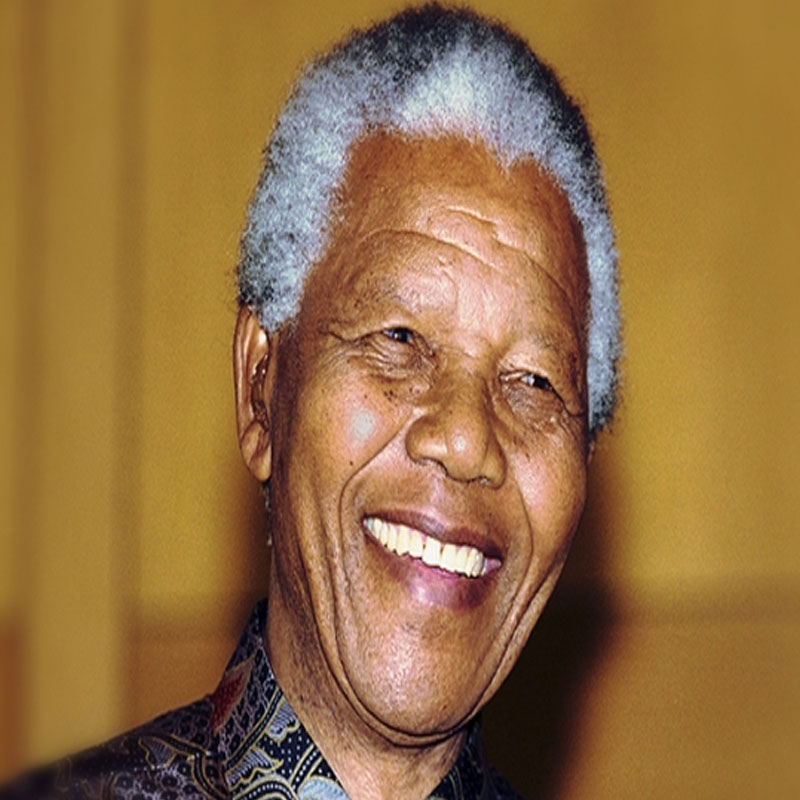
‘Mindset’ Network, a non-profit South African Organization has recently appointed Griphin, a quick films agency from India to create a Whateo for its organization’s re-launch.
Predominantly a marketing tool, a Whateo works on the same lines as an explainer video or an animated online quick film; further enhanced with the expertise of story-telling, film making and marketing.
Mindset Network was extremely impressed and touched by the ‘Silence of Hunger’ Whateo created by Griphin for Bhookh.com, India, the Worlds 1st dotcom NGO and it was in succession of the same that the South African Organization commissioned Griphin to spearhead and kick-start their re-launch campaign with a Whateo.

As quoted by Griphin’s Founder, Jay Sutaria “It is a great feat for us to have caught the eye and attention of a noble organization such as Mindset Network; which is founded and promoted by Mr. Nelson Mandela’s Foundation. Further to which it is an honor to have been given this opportunity to associate with the same! The entire re-branding strategy of Mindset hinges largely upon the Whateo we create. This is a very special project indeed!”
Shaili Sutaria, Creative Director, Griphin says,”It is a challenge to clearly & distinctly communicate with a consumer in a world filled with information overdose! Every Whateo is an explainer video aimed at successfully explaining a concept through illustration, animation & entertainment within 2 minutes. At Griphin we pay special attention to driving ‘every point of communication home’. Mindset has approached us with a very noble mission. They are a non-profit organization and are one of the most trusted providers of quality educational resources, information and support to communities in South Africa. Mindset and Griphin together hope to communicate and motivate all the children of South Africa through an easy, comprehensive and endearing Whateo to take education in Africa to the next level.”
SILENCE OF HUNGER by Bhookh.com



News Broadcasting
News18 India launches Command Centre war explainer with Arya
New show shifts from debates to decoding global conflicts and impacts

MUMBAI: News18 India has rolled out a new war-focused programme, Command Centre, featuring Gaurav Arya, as it looks to offer viewers a sharper, more grounded take on global conflicts amid rising tensions in West Asia.
Positioned as an “insider war room”, the show moves away from conventional panel debates and instead focuses on explaining military developments, decoding strategy and connecting global events to their everyday impact, from fuel prices to economic shifts.
The format leans heavily on visuals and data. The studio has been designed like a command hub, complete with large LED war maps, real-time graphics and an alert system to track developments as they unfold.
At the centre of it all is Arya, who brings his military background to simplify complex war strategies for viewers. His signature line, “Seedhi baat samjhiye”, anchors the show’s promise of clarity over noise.
News18 India managing editor Jyoti Kamal said, “Command Centre, featuring Major Gaurav Arya is designed to deliver accurate insights and a clear perspective on how evolving conflicts impact everyday life, from household budgets to national security. With expert voices analysing every development in real time, the show goes beyond headlines to decode what’s happening now, what it means, and what could come next.”
Echoing the intent, Gaurav Arya added, “In times of war, confusion is the biggest threat. With News18 India’s Command Centre, we are bringing viewers inside the war room, decoding strategies, tracking every escalation, and explaining, in the simplest terms, what it means for India and for every household. Seedhi baat samjhiye, this is where you understand not just what is happening, but what happens next.”
The weekday show will air in the afternoon slot and will also feature Gaurav Shukla, adding to its editorial depth.
With its mix of analysis, visuals and a clear focus on impact, the show reflects a broader shift in news consumption. Viewers are no longer just watching events unfold, they are looking to understand what those events mean for them.






