News Broadcasting
FICCI Heal 2013 inaugurated with the theme “Sustainable Quality Healthcare”


New Delhi: FICCI Heal 2013, an annual healthcare conference by FICCI was inaugurated today with theme “Sustainable Quality Healthcare”. The conference being held on 2nd – 3rd September will focus on the challenges by private healthcare sector for affordability and sustainability. The conference purpose is to highlight the issues that have great significance in influencing quality and cost of delivery through hospital planning, infrastructure, operations and innovation in technology and practice. Panellists would also share the insights on the myth that adherence to quality standards will raise the cost. Integrating and mainstreaming AYUSH system of medicine will also be a part of the discussion house.
In this context, two compelling Papers on Costing in Healthcare and on Innovations in Healthcare were released. The Working Paper titled “Universal Health Cover for India: EvolvingaFrameworkfor Healthcare Reimbursement Methodologies” delves into aspects relating to provider reimbursement mechanisms for inpatient care and suggests a framework for tariff determination based on differential cost structures on account of quality, geography and severity of clinical conditions; centrally determined reference tariff rates based on a formula that recognizes relevant costs, quantum of government sponsored patients served; rewards for performance and timely tariff revision.

FICCI also released another Knowledge Paper titled “Reinventing Affordable & Universal Healthcare through Innovation” which looks at the innovation landscape in the country and makes recommendations to translate potential in to successful innovation by creating a curriculum for creativity in education, framework for Industry-Academia engagement in translation research, incentives for the MSME and sharing of risks in innovative entrepreneurial initiatives, increased allocation of funds for investing into innovation, Insurance driven Demands, governance of Intellectual Property and creating an industry framework for innovation.
Ms. Sangita Reddy, Chairperson, FICCI Health Services Committee & ED (Operations), Apollo Hospitals Group, says, “a combination of improvement in rural infrastructure, innovation and technology initiatives to improve access have the potential to universalize access of healthcare. The need of the hour is to create an environment where public and private ventures can work sustainably towards providing quality care to the people”.
Elaborating on the conference theme, Mr Rajen Padukone, Co-chair, FICCI Health Services Committee explains “there is a need for policies that will promote meaningful collaboration between the private and public sector. The conference will bring together the policymakers and heads of leading healthcare organizations to share opinions and best practices and will aim at generating realistic recommendations on the way forward.”
Expressing his views on the medical technology sector, Dr GSK Velu, Co-chair, FICCI Health Services Committee and MD, Trivitron Healthcare says “Success in India will depend on establishing local and regional operational capabilities and delivering new innovations, low-cost manufacturing network, R&D, and market-specific commercial operations and capabilities.”





News Broadcasting
BBC to cut up to 2,000 jobs in biggest overhaul in 15 years
Cost pressures and leadership change drive major workforce reduction plan
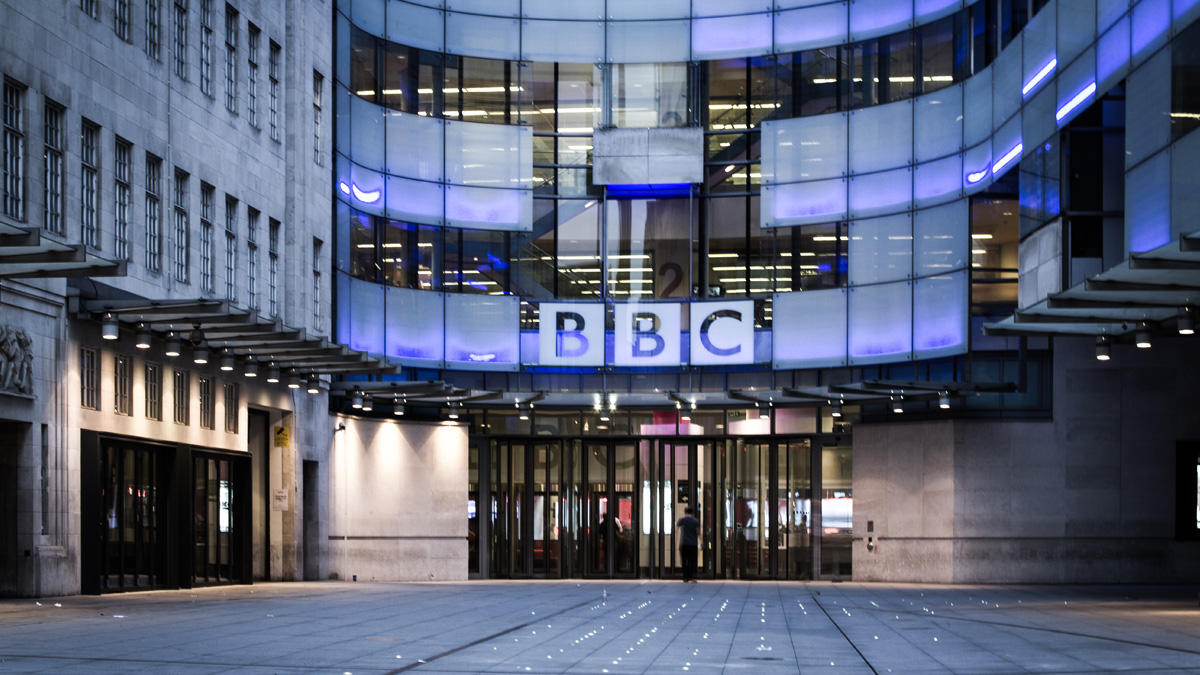
LONDON: BBC has unveiled plans to cut up to 2,000 jobs, roughly 10 per cent of its global workforce, in what marks its biggest downsizing in 15 years.
The announcement was made during an all-staff meeting led by interim director-general Rhodri Talfan Davies, as the broadcaster moves to tackle mounting financial pressures and reshape its operations.
Between 1,800 and 2,000 roles are expected to be eliminated from a workforce of around 21,500. The cuts form part of a broader plan to save £500 million over the next two years, aimed at offsetting rising costs, stagnating licence fee income and weaker commercial revenues.
In a communication to staff, BBC interim director-general Rhodri Talfan Davies said, “I know this creates real uncertainty, but we wanted to be open about the challenge,” acknowledging the impact the move would have across the organisation.
The restructuring comes at a time of leadership transition. Former director-general Tim Davie stepped down earlier this month, with Matt Brittin, a former Google executive, set to take over the role on May 18, 2026.
While some cost-cutting measures are being implemented immediately, the majority of the structural changes are expected to roll out over the next few years, with full savings targeted by the 2027–2028 financial year.
The broadcaster had earlier signalled its intent to reduce its cost base by around 10 per cent over a three-year period, warning of “difficult choices” as it adapts to shifting economic realities and audience expectations.
With operating costs hovering around £6 billion annually, the BBC’s latest move underscores the scale of the financial challenge it faces, as it balances public service commitments with the need for long-term sustainability in an increasingly competitive media landscape.