News Broadcasting
Big Boy Toyz Introduces 10 New Exclusive Surveillance Features for a Hassle Free Purchase of Pre-Owned Luxury Cars

NEW DELHI :Big Boy Toyz, the specialized dealer of pre-owned and exotic luxury cars now gives you not one, but 10 reasons to buy from their showroom.
Big Boy Toyz is known to have set a benchmark for their service and quality standards in the pre-owned luxury car segment. The team constantly ensures transparency in the operational and procurement policies. The diligent teamworkers at Big Boy Toyz follow a rigorous document and history check for each and every car before it passes on to become a Big Boy Toyz fleet member.

To live up to the benchmark and in effort to raise the bar even higher, Big Boy Toyz gives you 10 points of surveillance each car goes through.
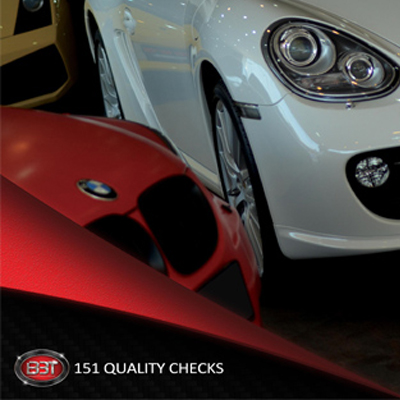
Every car at Big Boy Toyz goes through 151 Quality Checks (Please see attachment) before it becomes ‘BBT Certified Pre Owned Car’. It is only after receiving a National Crime Clearance does a car become member of the Big Boy Toyz cars fleet. In sync with their transparency trait, Big Boy Toyz provides their customers with a detailed record of Insurance history in addition to Service History for body work, accidental work, as well as regular maintenance record. In case of minor rubbing on the body, prior information is given to the customers.
Mr. Jatin Ahuja, President, Big Boy Toyz says “Quality and transparency is what our business thrives upon. Quality was the biggest apprehension when we first started, but not anymore. People who shop with us are aware that Quality is something they can never be uncertain about. In terms of exclusivity, the cars at our showroom have either done under 20,000 kms or are above the year 2010.”
For all the mean machines at Big Boy Toyz, they offer warranty on engine transmission on 6 months or 15,000 kms whichever happens first. No car at BBT has its meter tampered or any system at default. Owing to its buy back guarantee program, Big Boy Toyz ensures the customers have a hassle free purchase and sale of any car from BBT, an assurance of a mere depreciation of 25% on the purchase value of the vehicle. The insurance and finance team provides the customers with precise financial alternatives about the prevailing loan status for each car being offered. Our procurement team ensure the physical file check by visiting the Regional Transport Officer.





News Broadcasting
Kamlesh Singh receives Haldi Ghati Award from MMCF
India Today Group editor honoured for three decades of journalism at Udaipur ceremony.
MUMBAI- Kamlesh Singh just turned a lifetime of sharp words into a shiny shield because when journalism wakes up a society, even the Maharana of Mewar wants to pin a medal on it.
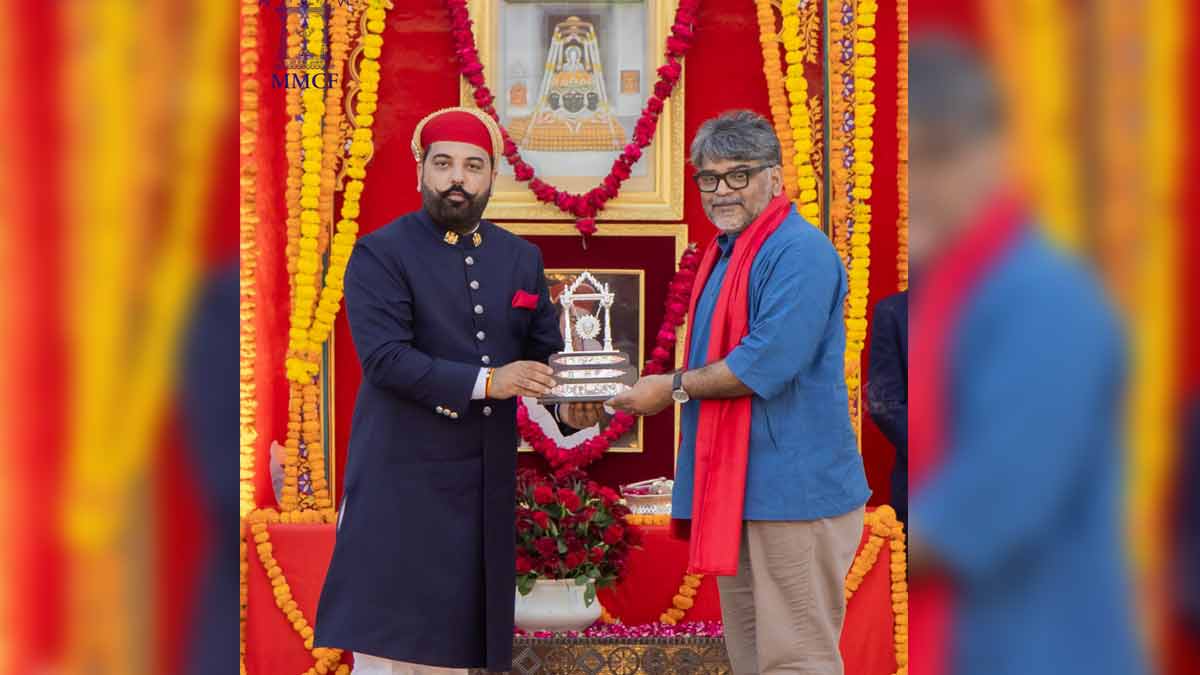
The Maharana of Mewar Charitable Foundation (MMCF) conferred its prestigious Haldi Ghati Award on Kamlesh Singh, a senior editor at the India Today Group, during a ceremony in Udaipur on 15 March 2026. The national award, instituted in 1981-82, recognises “work of permanent value that initiates an awakening in society through the medium of journalism.”
Singh, who leads several editorial initiatives including Aaj Tak Radio, the Teen Taal community and The Lallantop, was presented the honour by Lakshyaraj Singh Mewar, Managing Trustee of MMCF. The citation highlighted his three decades of contributions to Indian media, innovations in digital journalism, mentoring young reporters, and his popular podcast persona “Tau” on Teen Taal, which fosters thoughtful public discourse.
The Haldi Ghati Award, named after the historic Battle of Haldighati symbolising valour and resilience, is one of four national awards given annually by MMCF. Past recipients include Tavleen Singh, Piyush Pandey and Raj Chengappa.
Other honourees this year included Padma Vibhushan Pt Hari Prasad Chaurasia, Vedamurti Devvrat Rekhe, Treeman of India Marimuthu Yoganathan, Vir Chakra Capt Rizwan Malik, and US-based researcher Molly Emma Aitken, who received the Colonel James Tod Award for contributions to understanding Mewar’s spirit and values.
In an era where headlines often shout louder than substance, the MMCF quietly reminded everyone that real journalism isn’t about noise, it’s about the quiet, persistent work that stirs society awake, one thoughtful story at a time.







