Applications
Ziroh Labs powers up with Vineet Mittal to scale CPU-native AI future

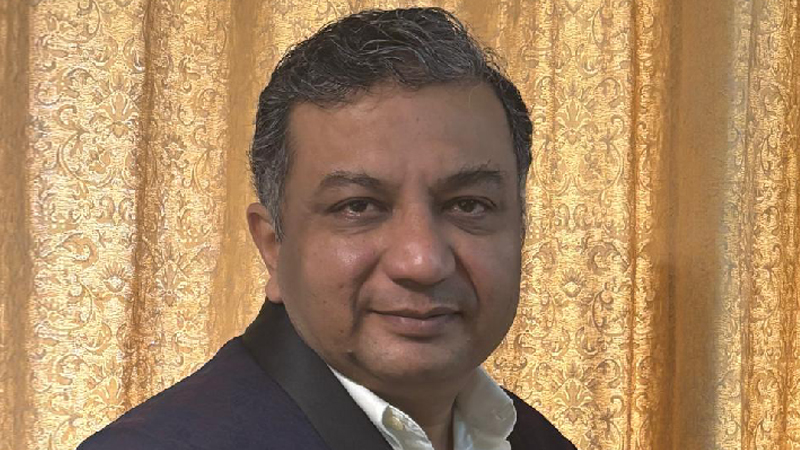
MUMBAI: When AI meets ambition, sparks tend to fly and Ziroh Labs has just added fresh fuel to its fire. The Bengaluru-based deeptech startup has roped in industry veteran Vineet Mittal as senior vice president, marking a decisive step in its mission to democratise Artificial Intelligence through CPU-powered innovation.
Mittal brings more than 20 years of experience in enterprise software, AI, and cloud-scale data platforms, with stints that read like a who’s who of tech heavyweights. At Microsoft, where he most recently served as principal group engineering manager, he led efforts in cloud security, data governance, and a massive log collection and threat detection platform. Before that, his leadership roles at Bluetalon (later acquired by Microsoft), RSA India, and Sun Microsystems saw him shape breakthroughs in secure computing and large-scale data systems.
For Ziroh Labs, his arrival comes at a pivotal juncture. The company’s flagship Kompact AI platform is rewriting the rules of AI infrastructure by enabling large language model inference on CPUs eliminating the dependence on costly GPUs and unlocking advanced AI for cost-sensitive, data-regulated sectors. With applications spanning BFSI, healthcare, public services, and defence, Kompact AI is positioning itself as a disruptor in AI affordability and accessibility.

“Ziroh Labs is at the forefront of solving one of the most urgent challenges in AI today delivering scalable AI on existing CPU racks without compromising on output quality,” said Mittal, calling Kompact AI’s CPU-native architecture a “game-changer for democratising access to advanced AI.”
Ziroh Labs co-founder and CEO Hrishikesh Dewan echoed the excitement: “Vineet’s extensive expertise in cloud platforms, AI infrastructure, and security management makes him the ideal leader to drive the global growth of Kompact AI. His hands-on approach and track record of building high-performing teams will be instrumental as we accelerate our innovation and scale our impact worldwide.”
As Ziroh Labs eyes global markets with an AI-for-all philosophy, Mittal’s appointment signals more than just a leadership shift, it’s a statement of intent. In a world obsessed with GPUs, Ziroh is betting that its CPU-first strategy, backed by seasoned leadership, will be the real power play in the AI arms race.






Applications
With 57 per cent single new users, Ashley Madison rebrands as discreet dating platform
Platform says majority of new members now identify as single
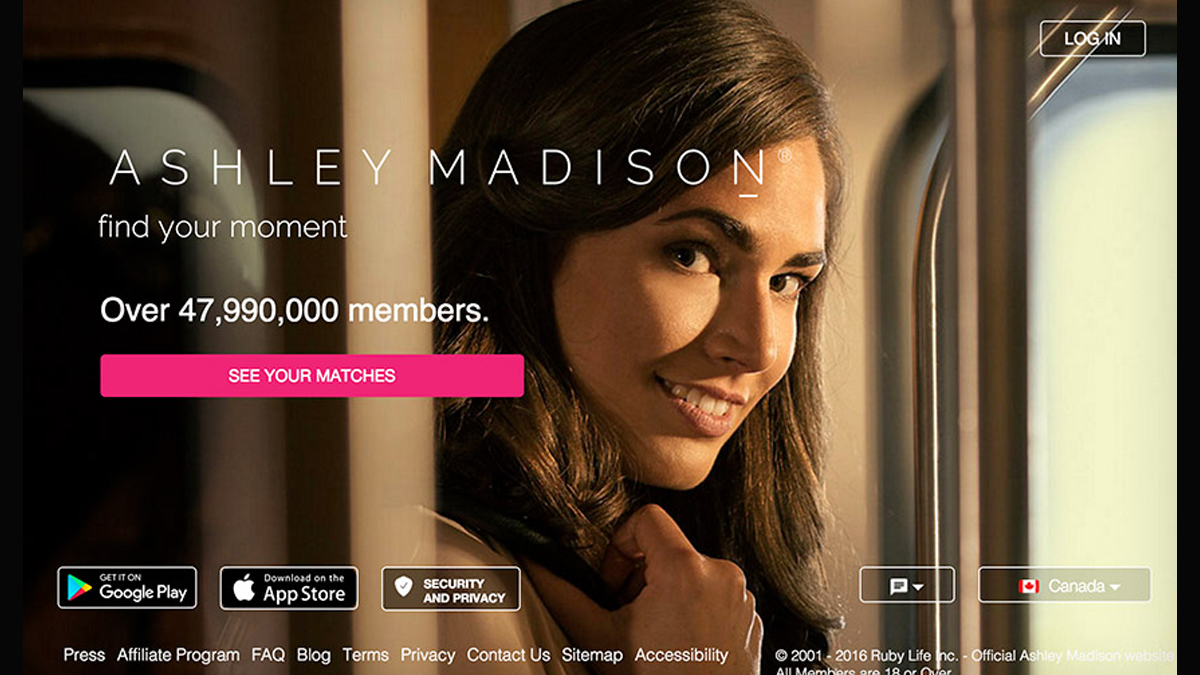
INDIA: Ashley Madison is shedding the “married-dating” label that defined it for two decades, repositioning itself as a platform for discreet dating in what it calls the post-social media age.
The rebrand, unveiled in India on 27 February, 2026, marks a structural shift in business model and identity. Once synonymous with married dating, the company now describes itself as the “premier destination for discreet dating” under a new tagline: Where Desire Meets Discretion.
The pivot is data-driven. Internal figures show that 57 per cent of global sign-ups between 1 January and 31 December, 2025 identified as single: a notable departure from the platform’s married core. The company argues that its community has already evolved beyond its original positioning.
“In an age where our lives have been constantly put on public display, privacy has become the new luxury,” said Ashley Madison chief strategy officer Paul Keable. He framed the platform’s offering as “ethical discretion” for singles, separated, divorced and non-monogamous users seeking private connections.
The shift also taps into wider digital fatigue. A global survey conducted by YouGov for Ashley Madison, covering 13,071 adults across Australia, Brazil, Canada, Germany, India, Italy, Mexico, Spain, Switzerland, the UK and the US, found mounting discomfort with hyper-public online lives.
Among dating app users, 30 per cent cited constant swiping and messaging as a source of fatigue, while 24 per cent pointed to pressure to curate public-facing profiles and early personal disclosure. Some 27 per cent said fears of screenshots or information being shared contributed to exhaustion; an equal share cited unwanted attention.
The retreat from oversharing appears broader. According to the survey, 46 per cent of adults actively try to keep most aspects of their life private online. Only 8 per cent feel comfortable sharing most aspects publicly, while 35 per cent say they are becoming more selective about what they disclose.
Ashley Madison is betting that this cultural recalibration towards controlled visibility can be monetised. By doubling down on privacy infrastructure and reframing itself around discretion rather than infidelity, the company is attempting to convert reputational baggage into a premium proposition.






