Hindi
Yeh Jo Mohabbat Hai to release on 27 July

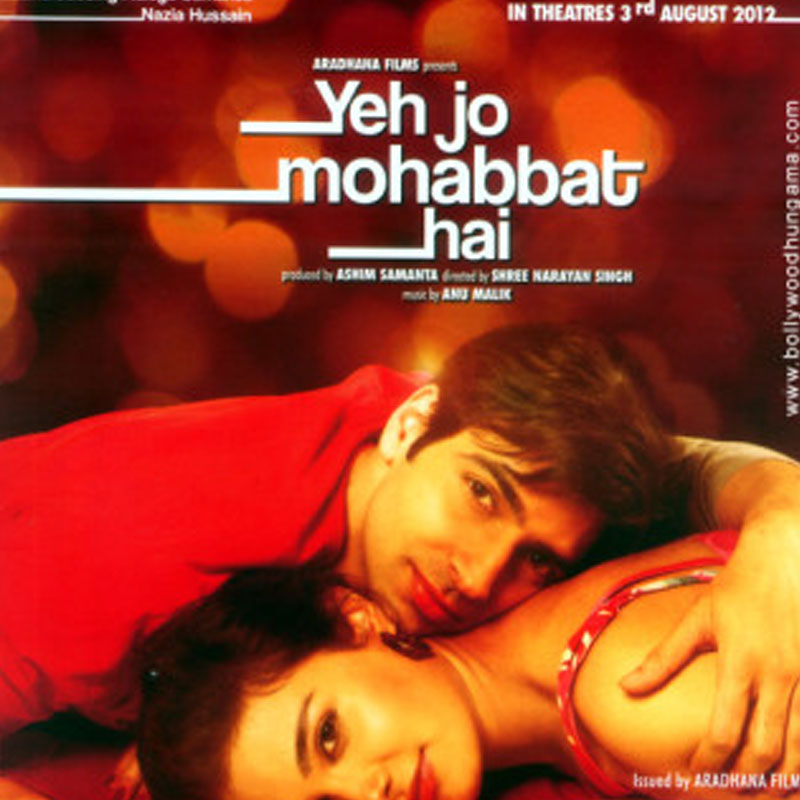
MUMBAI: Ashim Samanta is set to release his upcoming film, Yeh Jo Mohhabat Hai, on 27 July under his banner Aradhana Films.
The film, starring Aditya Samanta, grandson of Shakti Samanta, is set amongst a set of proud Indian families comprising Rathore and Choudhary who are both very wealthy hoteliers from Udaipur in Rajasthan. An unsolved murder of a family member, combined with business rivalry and the need to prove to each other their supremacy, deepens the enmity.
However, God has other plans. A girl (Karishma) is born to the Rathore family while a boy is born into the Choudhary family. Twenty three years later, unknown of their family backgrounds, the two meet each other one summer in the romantic and breathtaking locales of Poland where the journey of love and togetherness begins.

The female lead is played by Nazia Hussain (niece of Sanjay Dutt), Mohnish Behl, Rati Agnihotri, Farida Jalal, Mukesh Tiwari, Anooradha Patel and Preet Kaur Madan.
Directed and edited by Narayan Singh, the film has screenplay and dialogue by Dilip Shukla, cinematography by Fuwad Khan, lyrics by Anand Bakshi, Faiz Anwar; Kausar Munir, Anu Malik and music by Anu Malik.




Hindi
Rashmika Mandanna, Shanaya Kapoor and Naila Grrewal climb IMDb’s Indian celebrity rankings
Upcoming films and returning shows are driving fan interest across Bollywood and streaming

MUMBAI: Bollywood’s popularity contest has a new weekly scorecard, and the numbers are telling. IMDb’s Popular Indian Celebrities list for this week places Shanaya Kapoor at number six, buoyed by buzz around her film Tu Yaa Main. Naila Grrewal slots in at seven on the back of the returning comedy series Maamla Legal Hai, while Rashmika Mandanna climbs to eighth, riding mounting anticipation for Cocktail 2.
The list, available exclusively on the IMDb app for Android and iOS, tracks trending Indian entertainers and filmmakers each week, drawing on data from more than 200m monthly visits to the platform worldwide.
Further down the rankings, Raaka is keeping two of its biggest names in the spotlight. Deepika Padukone holds 11th position, with Allu Arjun close behind at 13th, as the film continues to find traction with audiences.
The list offers fans a weekly pulse on who is breaking through, who is holding steady, and who is fading. It is a barometer as unsparing as the box office itself.







