Hollywood
Wonder Woman 1984 to premiere in theatres & on HBO Max


KOLKATA: After several protracted delays, Warner Bros superhero tentpole Wonder Woman 1984 is set to premiere in US movie theatres and on HBO Max on 25 December, in a Christmas present to fans of the franchise. The film will debut one week earlier in international markets where HBO Max is not available.
“The film will be available for one month on HBO Max in the US at no additional cost to subscribers. After that it is understood it will be taken off the platform and continue to play exclusively in whichever cinemas are open,” WarnerMedia CEO Jason Kilar wrote in a blog.
Wonder Woman 1984 was expected to be one of the biggest films of 2020, and was slated to hit theatres after this summer. However, the release has been deferred many times due to the Covid2019 crisis.

“As we navigate these unprecedented times, we’ve had to be innovative in keeping our businesses moving forward while continuing to super-serve our fans,” WarnerMedia Studios and Networks Group chair and CEO Ann Sarnoff said.
The move, though a highly welcome one for fans, is somewhat unprecedented for Warner Bros, which in September ensured an exclusively theatrical opening for its big ticket release Tenet, directed by Christopher Nolan. The film turned out to be a dud at the US box office, earning $56 million over two months, as compared to production cost of $200 million. Luckily for the studio, Tenet fared much better internationally, raking in more than $350 million worldwide.
The dual platform release of Wonder Woman 1984 could spark a trend, with other studios making their biggest titles available in cinema halls and streaming services simultaneously. For instance, Disney's Black Widow is currently scheduled for theatrical release in May 2021, a full year after its original date. While CEO Bob Chapek has come on record to say that the company was pleased with the "premiere access" release of Mulan to Disney+, no such plans regarding Black Widow have been made public yet.







Hollywood
Paramount eyes $24bn Gulf support to fund Warner Bros Discovery merger: Reports
Sovereign funds line up funding as media giants chase streaming scale
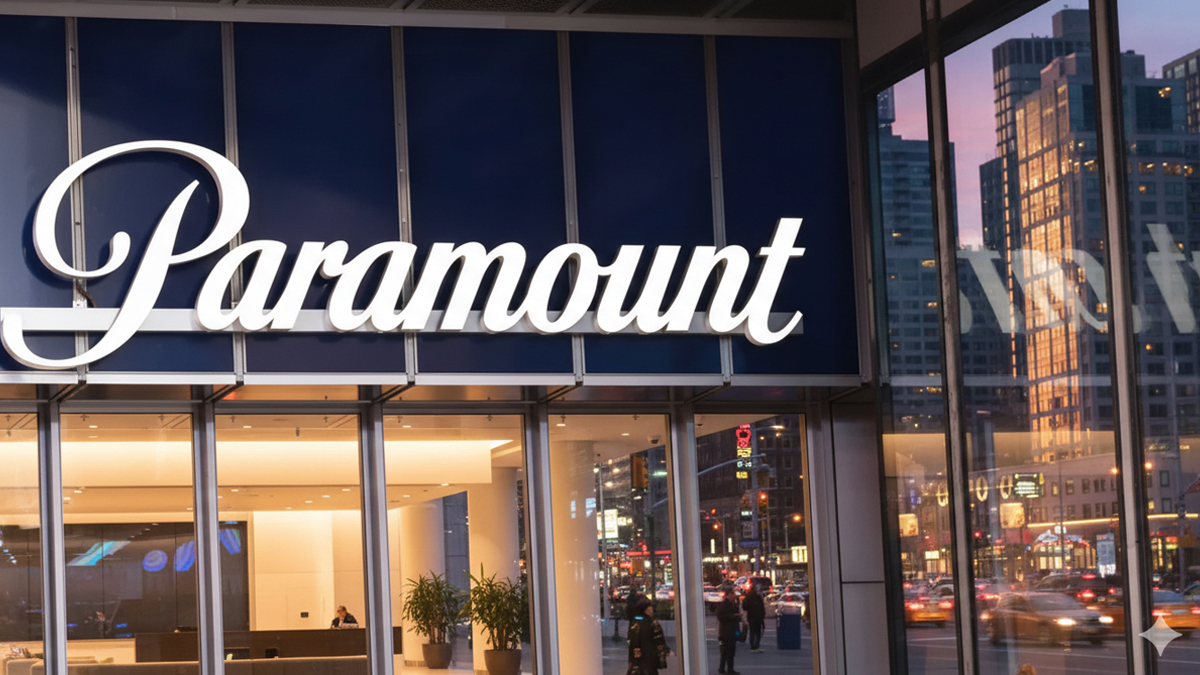
NEW YORK: Paramount Skydance is in talks to secure nearly $24 billion in equity commitments from Gulf sovereign wealth funds to support its planned takeover of Warner Bros. Discovery, according to a WSJ report.
The funding push comes as Paramount Skydance advances its proposed $110 billion deal for Warner Bros. Discovery, which carries an equity valuation of $81 billion and is expected to close in the third quarter of 2026.
At the heart of the financing plan are three major Gulf investors. Saudi Arabia’s Public Investment Fund is expected to contribute roughly $10 billion, while the Qatar Investment Authority and Abu Dhabi-based L’imad Holding are likely to make up the remainder.
Crucially, the proposed investments are structured as non-voting stakes. This means the Gulf backers would not have direct control in the combined entity, a move designed to ease regulatory concerns in the United States. Paramount executives reportedly do not expect the deal to trigger scrutiny from bodies such as the Committee on Foreign Investment in the United States or the Federal Communications Commission.
If completed, the merger would bring together a formidable portfolio of entertainment and news assets, including CNN and CBS. The combined entity aims to better compete in a fast-evolving media landscape where streaming platforms are steadily pulling audiences away from traditional television.
The deal reflects a broader shift in global media, where scale is increasingly seen as essential to survive the streaming wars. By pooling content libraries, technology and distribution, Paramount Skydance and Warner Bros. Discovery are betting on size and synergy to drive future growth.
The involvement of deep-pocketed Gulf investors also underscores the growing role of sovereign wealth in shaping global media consolidation, particularly at a time when high-value deals demand equally large financial backing.
With shareholder votes and regulatory milestones still ahead, the proposed tie-up remains one of the most closely watched media deals of the year. If it clears the final hurdles, it could redraw the competitive map of the global entertainment industry.






