News Broadcasting
WION’s India running budget election edition special coverage of the budget 2024

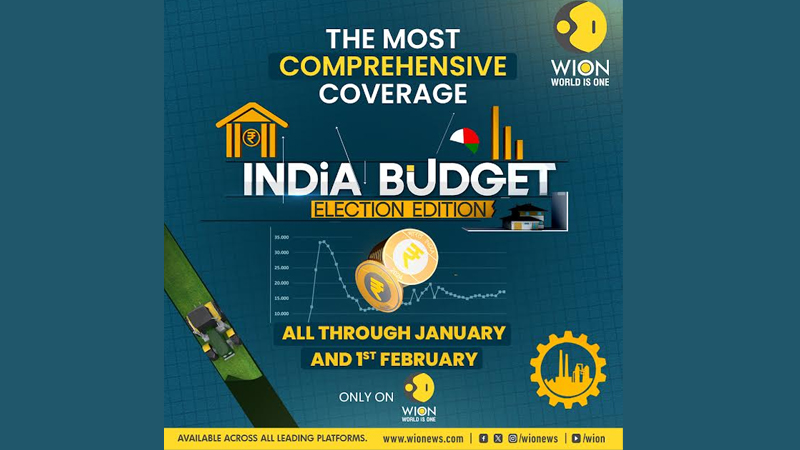
Mumbai: As the nation eagerly awaits the Union Budget 2024, World Is One News (WION), international news channel, continues to captivate audiences with its India Budget: Election Edition – The Most Comprehensive Coverage, providing viewers with exclusive and comprehensive analysis.
WION’s extended coverage is currently in progress from 5 January through to 4 February 2024, featuring in-depth insights, exclusive interviews, and expert opinions.
Throughout January, the pre-budget programming has been focusing on domestic expectations, decoding the budget, budget fact-O-pedia, technology & plans, what it means for Indian markets & foreign investors, and broad expectations from both domestic and global perspectives.

On ‘Budget Day’ (1 February 2024), WION also looks towards live broadcasts from CII in Delhi with Vikram Chandra, besides providing in-depth news bulletins from the newsroom with expert guests.
This special Union Budget programming coverage encompasses highlights of top announcements, the implications for the broader economy and the world, changes in pricing, and a focus on the effect of the election on the budget.
Speaking on the special budget programming, WION chief business officer, Madhu Soman said, “While we understand this year’s interim budget will be more or less a vote on account with no major policy announcements likely, it doesn’t dilute the significance of the day. India is one of the fastest growing economies in the world and its stock market became the fourth largest last week. WION will be unspooling the event to the best of our ability so that the nuances of this annual exercise are explained in the simplest of terms to our dedicated viewers across platforms.”
Furthermore, between 1and 4 February the period following the budget, WION will showcase various programs. This will include one to two-minute segments and explanatory content, encompassing budget analysis, insights gleaned from pre-budget coverage, comments from India Inc., analysts, and economists.
The coverage will also feature significant announcements and a strategic preview of the impending elections.





News Broadcasting
CNN-News18 to host Fury in the Gulf conclave on West Asia crisis
Three-hour summit to unpack geopolitical fallout and impact on India
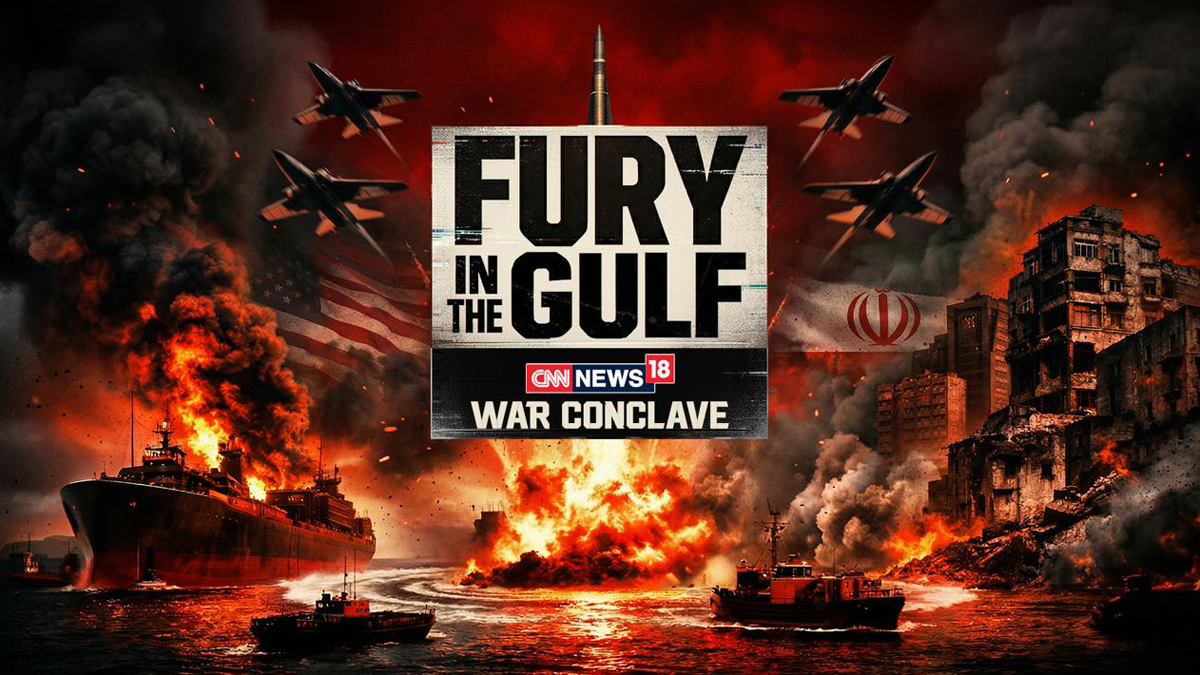
MUMBAI: CNN-News18 is set to host a special three-hour broadcast, Fury in the Gulf – War Conclave, on April 7, aiming to decode the escalating West Asia crisis and its far-reaching implications for India.
Scheduled from 4:00 PM to 7:00 PM, the conclave comes at a time when tensions between Iran and the United States are reshaping global geopolitics and triggering economic uncertainty. With India’s deep energy ties, trade links and large diaspora in the Gulf, the developments carry significant domestic relevance.
Built around the theme ‘Conflict, Consequences, and The Future,’ the programme will feature six curated sessions combining one-on-one interviews and panel discussions. The focus is to cut through the clutter and offer viewers a clearer understanding of the fast-evolving situation.
Key sessions include ‘Diplomacy in Times of War’ featuring Shashi Tharoor, and ‘World After the Iran Conflict’ with voices such as Ram Madhav, Reuven Azar, representatives from the European Union and the Iranian Deputy Envoy. Another session titled ‘Another Dunkirk?’ will bring together K. J. S. Dhillon and Jitin Prasada among others.
CNN-News18 editorial affairs director Rahul Shivshankar said, “In times of war, clarity becomes the most powerful tool. Fury in the Gulf – War Conclave brings together credible voices to address the questions and confusion that arise amid an overwhelming influx of information.”
He added that the initiative is aimed at delivering “facts, perspective, and insight” at a time when misinformation can easily cloud public understanding.
Echoing the sentiment, CNN-News18 CEO– English and business news Smriti Mehra said the conflict marks a defining global moment, with consequences that extend well beyond the region. She noted that the conclave seeks to present the crisis with “depth, nuance and responsibility” so audiences can better grasp its real-world impact.
As geopolitical tensions continue to dominate headlines, the conclave positions itself as an attempt to bring order to the noise, offering viewers a structured, insight-led look at a complex and rapidly shifting global situation.






