GECs
Will & Grace producers sue NBC


MUMBAI: The executive producers of the popular television sitcom Will & Grace have have filed a suit against NBC and NBC Studios.
The producers allege that NBC has been conspiring to keep the popular sitcom’s price down to reduce the producer’s share of profits. The sitcom’s creators allege that network has planned to sell the rights to the show at $ 10 million below fair value.
Trouble in Graceland?
According to media reports, the executive producers David Kohan and Jason Mutchnick filed a complaint on 11 December at the Los Angeles Superior Court alleging that the two companies breached their written contracts and fiduciary duties and acted in bad faith.

The lawsuit states that NBC Studios, a subsidiary of NBC and the producer of the show, sought to refrain from shopping the series to other networks to further its own financial interests and those of its parent, the General Electric company. NBC effectively sat on and controlled both sides of the bargaining table, states the suit.
Kohan and Mutchnick said the suit stems from the industry-wide trend of media conglomerates buying up independent production studios, inform the media reports.
Will & Grace, which centers on a New York City interior designer and her best friend, a gay lawyer, has won 12 Emmys since its creation in 1998. The show is currently being aired on Zee English.
According to the suit, despite its success, last year the network pressured NBC Studios not to increase the fee for licensing the rights to the show. During the show’s first four seasons, the studio licensed the rights for financial terms that were insufficient even to cover a reasonable percentage of the series’ production costs and which led to extraordinarily large production deficits.
While it is probably the first time that NBC has been embroiled in a suit, ABC and Fox have been caught in similar legal trouble early on. The producer and creator of Home Improvement , Matt Williams had filed suit against the Walt Disney Company in 1997, stating that Disney’s production arm shaped a deal with the Disney-owned ABC to keep the show on the network, even though it may not have been the best licensing deal. The suit was settled out of court.
While Steven Bochco sued Fox in 1999, stating that he was essentially deprived of as much as $50 million on the sale of NYPD Blue, to the FX cable network. The distributor of the show, 20th Century Fox Television is, like FX, owned by Fox. That suit was eventually resolved.
The reports indicate that the mergers of networks and production companies in the 1990’s have led to the “increasingly common case of negotiations between closely related or commonly owned parties. The result is that profit participants in hit television series, which can earn tens of millions of dollars, sometimes assert that negotiations are designed in large measure to benefit the parent company.”







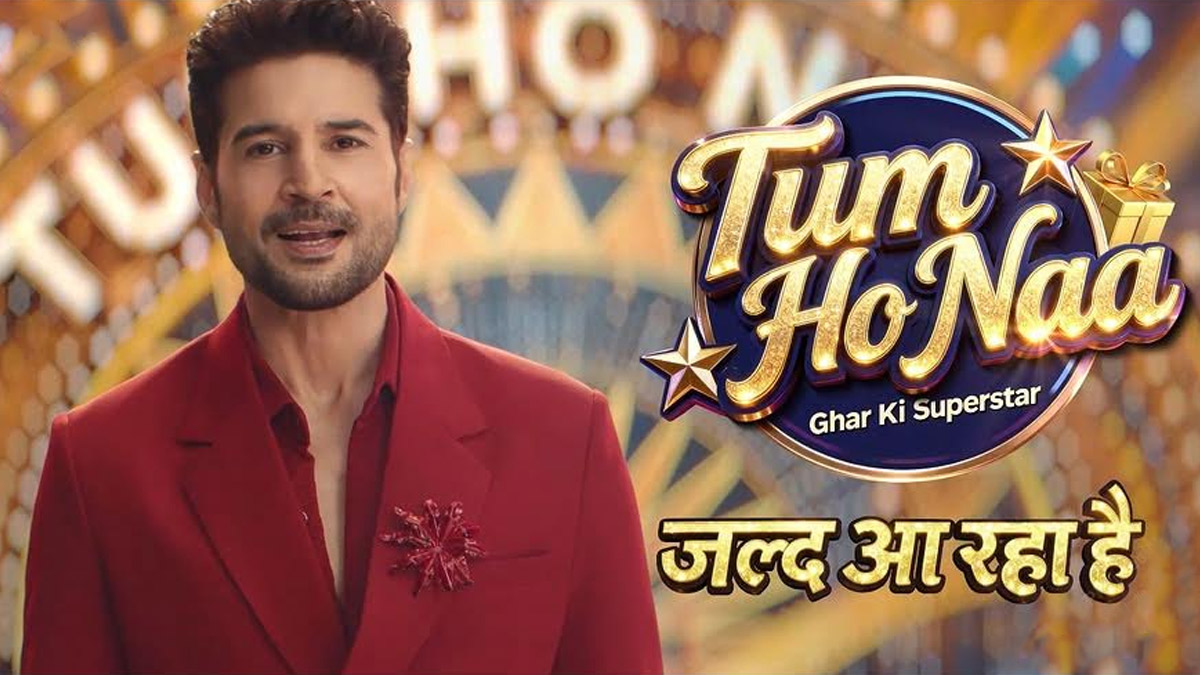
MUMBAI: Lights, camera… connection because this time, the game isn’t just about winning, it’s about who’s with you. Sony Pictures Networks India is gearing up to launch a new reality game show, Tum Ho Naa, expanding its unscripted slate with a format that promises both emotion and engagement.
The show will premiere soon on Sony Entertainment Television and stream on Sony LIV, with Rajeev Khandelwal stepping in as host. Known for his measured screen presence and selective choices, Khandelwal’s return to television adds a layer of familiarity and credibility to the upcoming format.
While specific details of the gameplay remain under wraps, the positioning suggests a reality format that leans as much on emotional resonance as it does on competition, an increasingly popular blend in Indian television, where audiences are gravitating towards content that offers both stakes and storytelling.
Khandelwal, reflecting on his return, noted that his choices have often been guided by instinct rather than convention, describing Tum Ho Naa as a project that feels “close to the heart”. His association also signals Sony’s continued focus on anchoring new formats with recognisable faces who bring both relatability and depth.
The launch comes at a time when broadcasters are doubling down on original non-fiction formats to drive appointment viewing, even as digital platforms expand parallel reach. By placing the show across both linear television and OTT, Sony appears to be aiming for a dual-audience strategy capturing traditional viewers while engaging digital-first consumers.
As the countdown to premiere begins, Tum Ho Naa positions itself not just as another game show, but as a reminder that sometimes, the biggest prize on screen isn’t the jackpot, it’s the journey shared along the way.






