iWorld
Why new age-media is the focal point for content publishers?

Mumbai: Let’s start with some simple math: Newspapers used to have an average engagement of one hour in the 1990s. This has fallen to two to three minutes today, which is 1/20th or 1/30th of what it used to be. Even if we imagine ad density has remained the same (it has actually increased as papers have become thinner), then ad CPMs for newspapers today are 20-30 times of what they used to be.
TV and radio stats tell a similar story. Additionally, due to the non-targeted nature of newspaper, TV and radio ad outcomes are poor. That is why advertisers have been shifting dollars to the new age/digital. Obviously, as ad revenue largely drives the media industry, there is a large amount of focus and interest in digital. For that part of traditional media that is trying to shift away from its reliance on advertising, the path forward is still through digital subscription revenues.
The important question is not why new age media needs to be a focal point for content publishers, but how to execute it successfully. Let’s take a brief look at how the content publishing landscape has evolved.

Newspapers have existed since the 17th century, radio since the early 20th century, and TV since the mid-20th century. With the introductions of each of these forms of media, the richness of media evolved, from text to audio to video. But the fundamental delivery of media did not change – it remained one too many.
Early internet and digital media mimicked non-digital media in this aspect – websites continued to be static, one to many deliveries of content to all audiences. Editorial teams within traditional media companies doing digital still manage static line-ups on pages delivered to their audiences manually. They try to cram as much information as they can on their home page because of the low hit rate on what they provide vis-a-vis their audiences and interests. This constrains the usability of digital websites run by traditional media organisations.
Additionally, traditional media companies tend to be insular, and do not create a conducive work environment for critical skillsets for building great digital consumer products – engineers, designers, product managers, and social/digital marketers. This causes traditional media-created end consumer websites and apps to be several steps behind other digital consumer products.
This has continued to remain true even as the rest of the internet itself has evolved across phases of consumption – from desktops using static bulletin boards and directory services; to a combination of desktops and laptops in search-driven interfaces; and finally to what we see today – mobile consumption driven by discovery and personalisation. As a result of this evolution, audiences today expect their content to be provided to them in a personalised, easy to consume fashion and delivered via a functionally and emotionally satisfying product.
This difference in what traditional media organisations provide vs consumer expectation is why there is a massive gap in the user engagement (as measured by the number of visits and on the length of sessions within those visits) on traditional media- run digital websites vs other digital content providers such as social media. Traditional media companies urgently need to transform in order to bridge this gap.
As a media CEO, I’m not going to sugarcoat how tough the journey is that lies ahead. This journey is hard, both in its initiation and in its sustenance. I have seen this personally in leading the transformation at one of India’s largest media brands as its digital CEO and the group and chief digital officer. In my role as CEO, I had to build a strong, growing, profitable digital business to form the future core of the company. In my role as the CDO, I had to help the rest of the group transform and become digital-first. This portfolio included India’s largest network of radio stations, some of the biggest and well-known newspapers in the country, and a sprawling education portfolio.
We overcame resistance to change and other challenges to build one of only two profitable digital media businesses in the country. We put the larger group on a solid transformational path, divesting from non-core areas with a poor organisational fit and investing into areas of growth, particularly in digital. A lot of talent entered the company in areas such as technology, digital content leadership, product and user experience design. This team ended up creating one of the world’s fastest-growing traditional media websites.
Today, the digital business is the media house’s crown jewel. But much of the talent that needed to spearhead its growth has scattered and overall transformation has stalled. The journey was well begun but has been hard to sustain.
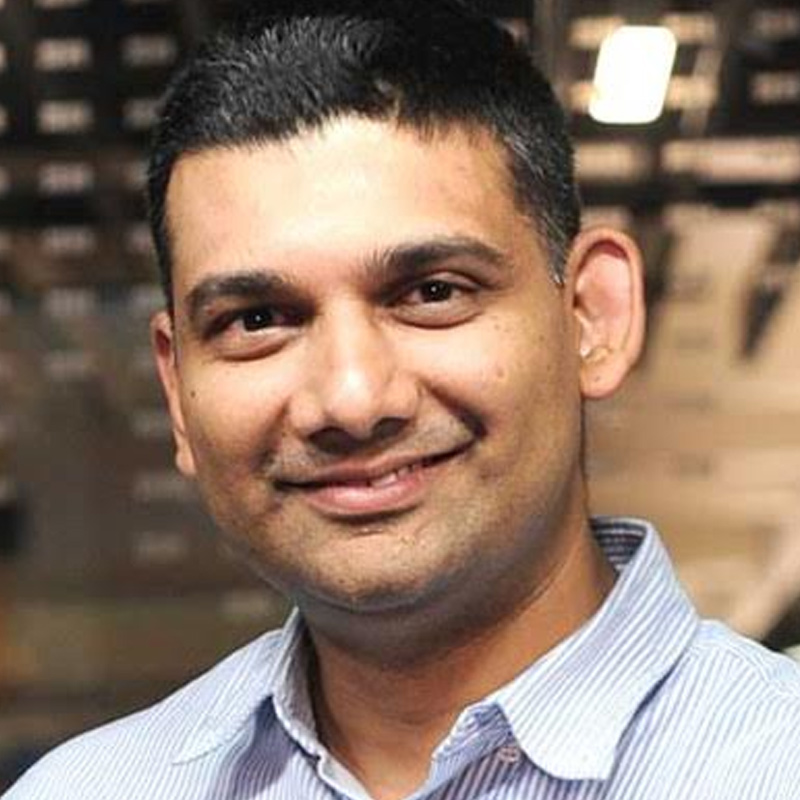
(Rajiv Bansal is the founder and CEO of OPOYI.com. The views expressed in the column are personal and Indiantelevision.com may not subscribe to them)






eNews
Piyush Thakur steps down as Inshorts’ chief revenue officer
Former vice president and cro says exit marks a new chapter after close to a decade of building revenue and partnerships at Inshorts Group.

NOIDA: Piyush Thakur has stepped away from Inshorts Group after nearly 10 years with the company, marking the end of a long tenure that culminated in his role as chief revenue officer.
In a farewell note, Thakur said he was “turning a new page” after almost a decade at Inshorts, calling it one of the hardest professional decisions he has made. He added that his exit was not driven by uncertainty about the future, but by reflection on a long association with the company.
Thakur joined Inshorts in October 2016 as vice president and spent around seven years in the role before being elevated to chief revenue officer in April 2024, a position he held until April 2026.
He said his tenure was defined by “thousands of mornings, late nights, product debates and breakthrough moments”, as the company evolved into a large-scale digital news platform used by millions.
In his note, Thakur emphasised that Inshorts’ growth was a collective effort across teams, adding that engineers, designers, sales teams and customer support staff all contributed to building the platform. He said the company’s success was not the result of individuals but of “everyone who stayed, passed through, and left their mark”.
Before Inshorts, Thakur worked across several digital media and business development roles. At ESPN, he served as senior regional manager from October 2015 to October 2016, focusing on growth initiatives, strategic opportunities and video distribution.
At Times Internet, he worked for nearly three years, including as head of business development from April 2015 to September 2015 and chief manager from January 2013 to March 2015. His responsibilities included monetisation of mobile platforms, managing media and developer partnerships, and driving revenue across digital properties such as The Times of India and The Economic Times.
Earlier, he worked at Brandmovers as head of business development from June 2012 to June 2013, handling digital, mobile and social media marketing solutions, client development and strategic consulting. During this period, he also worked on advertising revenue, brand strategy and CRM-based solutions.
At Inshorts, Thakur’s role focused on revenue strategy, mobile and media partnerships, and growth initiatives across platforms. His profile highlights experience in mobile product management, digital business models, partner ecosystems and revenue expansion in high-growth environments.







