Gaming
What initiatives can fantasy gaming platforms take to promote inclusivity and diversity within their fan communities?


Mumbai: Diversity and inclusion are not merely catchphrases in the vast virtual world of games; they are key factors influencing it. Diversity encompasses a range of human experiences that include gender, colour, culture, and other aspects beyond narratives and characters. Furthermore, by ensuring inclusivity, gaming spaces are made accessible and open to everyone. Thus, the substantial impact of diversity and inclusion on gaming extends to improving game quality and originality while also increasing player pleasure, engagement, and loyalty.
The goal of creating immersive environments that honour diversity becomes increasingly important as we venture deeper into the domain of fantasy games. Thus, in order to develop immersive worlds that embrace diversity and inclusivity as well as enhance both the gaming experience and the lively communities that inhabit these digital domains, exploring initiatives becomes imperative. According to Mordor Intelligence, with a projected size of $32.75 billion in 2024 and a projected growth rate of 13.83% during the forecast period (2024–2029), the fantasy sports market is predicted to reach $62.58 billion by 2029.
Here’s a look at the initiatives that can be undertaken to promote inclusivity and diversity within these virtual worlds-

Know your audience: Finding out who your audience is and what they want is the first step towards promoting diversity and inclusion in the gaming sector. The gaming industry is a complex and dynamic sector that attracts gamers of all ages, genders, races, cultures, talents, tastes, and expectations. You can learn a lot about the requirements, goals, and challenges of your audience by using analytics, feedback, surveys, and research. Equipped with this understanding, you can tailor your games to suit their tastes. Furthermore, you can employ this data as a tool to find and address any biases or gaps in the accessibility, representation, and involvement of your diverse audience.
Engage and retain a diverse workforce: Seeking and retaining a diverse workforce is the second essential step in improving diversity and inclusion in the gaming industry. The majority of professionals in the field today are white, male, and cisgender, which unintentionally limits the range of viewpoints, creativity, and innovation. Thus, prioritizing the hiring and retention of diverse talent allows for access to a wealth of knowledge, perspectives, and experiences from people with different backgrounds, identities, and specializations. This strategic approach not only benefits the sector but also fosters a more welcoming and encouraging workplace where each team member truly feels appreciated and empowered. Achieving this requires creating transparent and fair recruitment, promotion, and remuneration rules, as well as providing important training, mentorship, and networking opportunities for the diverse members of the staff.
Collaborate and co-create: In order to promote diversity and inclusion in the game industry, co-creation and cooperation are the third and most important stages. Understanding how the gaming industry interacts with other industries, communities, and sectors is essential given how interconnected the industry is. Through proactive involvement with various stakeholders, including academics, media, civil society, and government, one can effectively leverage a wide array of resources, knowledge, and power to advance the cause of diversity and inclusion in the game industry. In addition, including your audience in the stages of game design, development, and testing guarantees that your creations are in line with their tastes and demands. It also fosters a collaborative environment where their input is respected and taken into consideration.
Educate and advocate: The fourth integral measure to advance diversity and inclusion in the game industry entails an active commitment to education and advocacy. Recognising that the gaming industry is not a passive entity but a potent force shaping and being shaped by culture, society, and politics, it becomes imperative to champion diversity and inclusion. Through robust education and advocacy efforts within the industry, one can elevate awareness, challenge prevailing stereotypes, and instigate transformative change among peers, partners, and consumers. Additionally, there is an opportunity to champion and amplify the voices and narratives of marginalized groups within the game industry, including women, people of colour, LGBTQ+ individuals, those with disabilities, and individuals hailing from low-income or underrepresented regions.
Embracing Diversity for a Brighter Future!
In the ever-expanding landscape of fantasy gaming, the journey towards inclusivity and diversity is a collective effort. By implementing these initiatives, fantasy gaming platforms can transcend virtual boundaries and create communities that are reflective of the diverse world we inhabit. Together, developers, players, and enthusiasts can build a gaming ecosystem that embraces everyone, ensuring that the magic of fantasy gaming is truly for all.
The author of the article is Super4 founder Rohit Bansal.




Gaming
Konami concludes successful eFootball India campaign
Campaign featuring Rinku Singh, Varun Chakravarthy and other stars boosts engagement ahead of FIFA World Cup 2026.
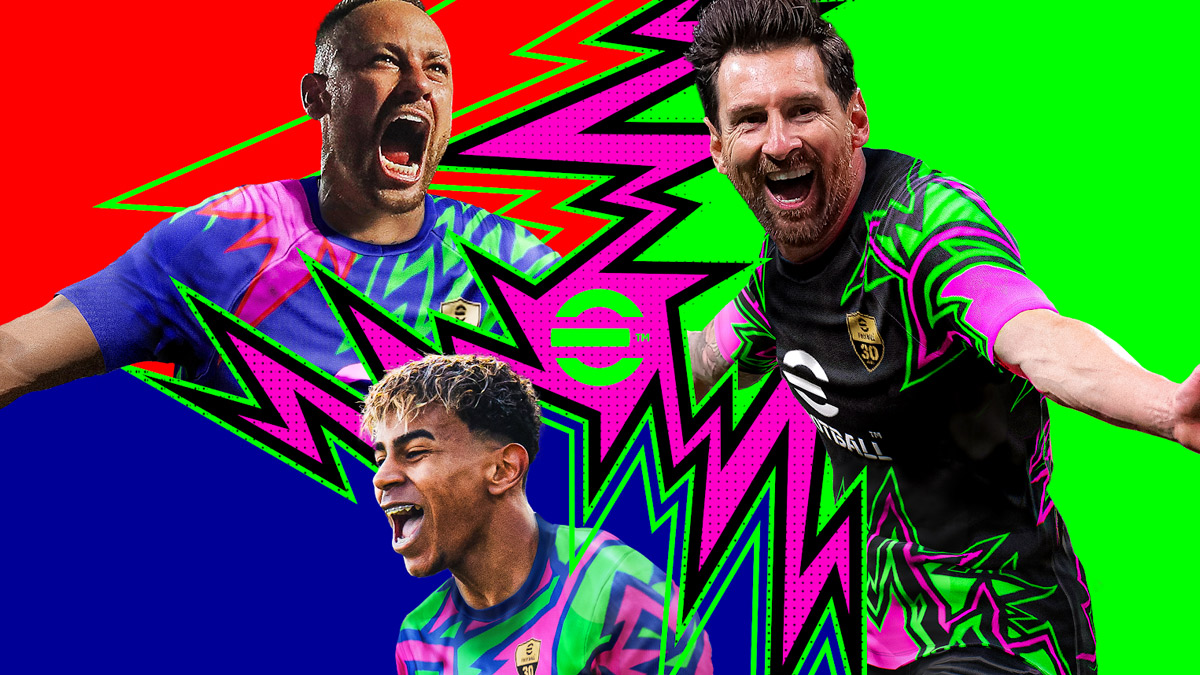
MUMBAI: When cricket meets football in the virtual world, even the biggest fans can’t help but score and Konami’s latest eFootball campaign in India has clearly hit the back of the net. Konami Digital Entertainment has successfully wrapped up its India campaign for eFootball, which brought together cricketers Rinku Singh and Varun Chakravarthy, actors Naslen Gafoor and Chandu Salim Kumar, and footballers Sahal Abdul Samad and Shubhasish Bose. The multi-star campaign generated strong excitement across gaming, football, and creator communities through social content, fan participation, and in-game engagement.
Building on the initial launch that featured a limited-time Lionel Messi card, the campaign united fan communities, lifestyle creators, football creators, and competitive eFootball influencers. It significantly expanded the game’s visibility and deepened engagement with fans across the country.
The campaign also saw thousands of entries submitted as part of its social media engagement challenge, reflecting high levels of community enthusiasm and active creator involvement.
Looking ahead, Konami plans to build on this momentum with more eFootball experiences for Indian fans as the FIFA World Cup 2026 approaches. With global attention on the tournament set to rise, India will remain a key market for deepening community engagement and bringing fans closer to the action.
In a country that lives and breathes sport, Konami has shown that mixing real-world stars with virtual thrills is a winning formula leaving fans eagerly waiting for the next goal.






