iWorld
We plan to expand our content spread by dubbing in other vernacular languages: Dollywood Play’s Aneesh Arjun Dev


Mumbai: Dubbed movies aren’t new to Indian audiences, but a recent surge in the localization of foreign films into Hindi has sparked a cinematic revolution. This transformation is not merely breaking language barriers; it’s creating bridges across cultures, offering Indian viewers unprecedented accessibility and relatability to their favorite foreign films. The growing trend not only enhances the cinematic experience but also fosters a deeper appreciation for the richness of global cinema.
Indian Television in conversation with Dollywood Play founder & managing director Aneesh Arjun Dev spoke on Dollywood Play’s inception, business model and more.
Aneesh Arjun Dev, the founder, promoter, and managing director of Dollywood Play, is a visionary leader at the helm of Dollywood Play which is powered by its holding company: WAMINDIA, one of the most promising ventures in the media and entertainment industry. With a career spanning over 30 years, Mr. Aneesh brings a wealth of experience and expertise to his role, steering the company towards new horizons. His profound impact on the industry is evident through his outstanding journey of distributing over 1000 movies across various languages and mediums, including theaters, television, and digital platforms.

Edited Excerpts:
On the inspiration behind Dollywood Play’s inception, the journey been since its establishment in October 2019 and its differentitaing aspect from its competitors
Dollywood Play, an OTT platform offering streaming of movies and series without ads, gives its users/audience the best experience of South Indian and International films dubbed in Hindi language as the tag line says “Ab Sab Dub”. The USP of Dollywood Play which keeps it apart from its competitors is the lower price point offering a wide range of well curated dubbed films in nominal amount, the quality of films are HD displayed in playlists of multiple genres i.e. romance, thriller, action, drama etc. The journey has been good so far, looking forward to adding more titles in the coming times which give users a large library to cater to.
On the challenges Dollywood Play has faced in localising South Indian and Hollywood movies for the Hindi-speaking market
Well I don’t see any specific challenge in localising South Indian and Hollywood movies into Hindi language as we have a strong and experienced team which handles the localisation process of the content who understands the tastes and preferences of the Hindi speaking market.
On the business model that Dollywood Play operate on – free access or subscription basis and its revenue generation streams
The platform generates revenue via subscription model. Dollywood Play app is also available as a bundled subscription service with leading aggregatore apps like Airtel Xtreme and OTT Play.
On the growing demand for foreign films among Indian audiences influencing Dollywood Play’s focus on Hindi dubbing and subtitling; and Dollywood Play envisioning its role in promoting cross-cultural understanding through the accessibility of international cinema in Hindi
India has a wider set of audience, who love to watch Hollywood movies dubbed in Hindi language and we become a strong pillar in providing the same to our existing and potential audience. Our focus remains the same i.e. providing the best user experience by adding mass entertainment foreign films dubbed/subtitled in Hindi. Dubbing the movies from all over the world into Hindi promotes cultural exchange and bridges the gap between different regions of the country.
On foreseeing the role of technology in shaping the future of content consumption and localisation
Well, technology plays a vital role in shaping the content consumption pattern. Technology drives users to the platform for the best experience. As we are heading to the 5G phase across India with high speed internet available to a majority of the population of India and that too at much affordable prices, this would have a direct impact on the content consumption pattern which will definitely increase with every passing day.
On envisioning Dollywood Play in the next two years and any future plans for the platform, including potential expansions to cater to vernacular language audiences beyond Hindi
The next two years will definitely be very crucial to us as the consumption pattern is increasing with every passing day. We plan to expand our content spread by dubbing in other vernacular languages to the potential user base and provide them with the best of the movie experience. Also our focus will be adding some premium titles to the catalogue in the coming time. In the coming next two years we would work towards seeing DP in the top 10 best OTT platforms in India.





iWorld
Crocs India ropes in Rakesh Bedi for quirky new digital campaign
Veteran actor brings humour and nostalgia to brand’s latest ‘Crocshake’ film.
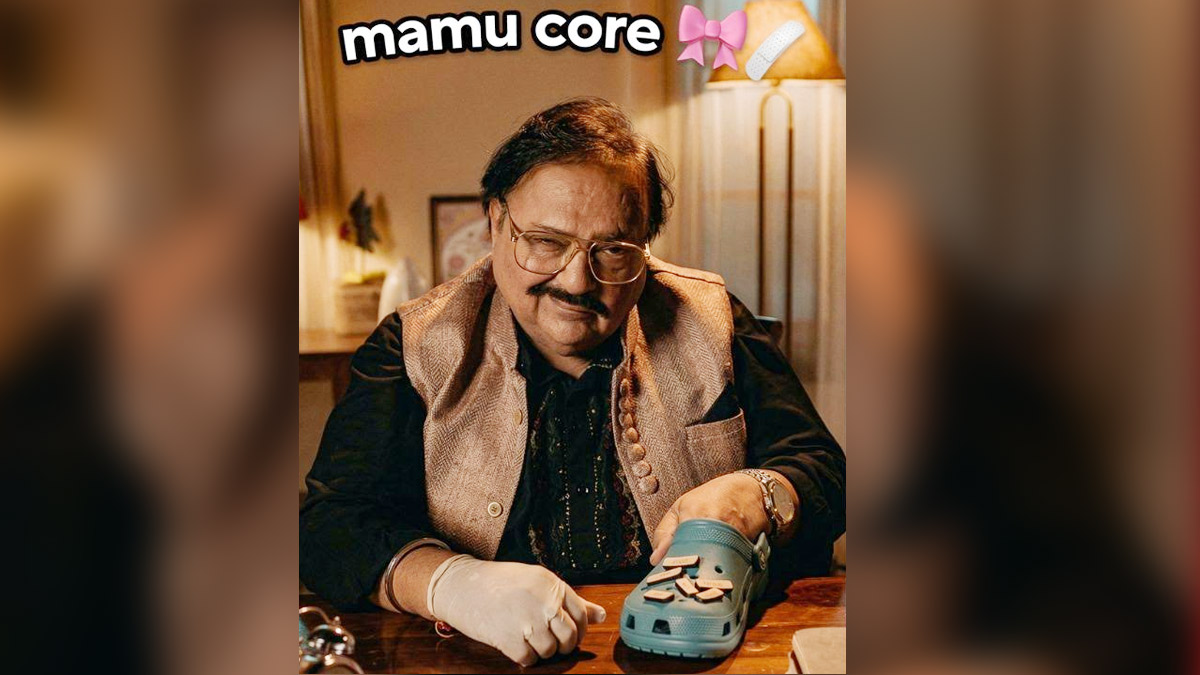
MUMBAI: Crocs has decided to shake things up quite literally by teaming up with veteran actor Rakesh Bedi for its latest digital campaign. The campaign, conceptualised by One Hand Clap, cleverly taps into the current wave of nostalgia and character-led content. It features Rakesh Bedi, who is currently enjoying renewed popularity after Dhurandhar, in a series of increasingly chaotic yet humorous everyday situations.
At the centre of the film is a simple handshake that spirals into a chain of unexpected twists, culminating in the fun “Crocshake.” The light-hearted narrative highlights how ordinary social moments can turn into memorable ones, perfectly aligning with Crocs’ brand ethos of individuality, comfort, and self-expression.
Crocs India country manager Manoj Juneja said the campaign reflects the brand’s desire to stay culturally relevant. “This collaboration with Rakesh Bedi blends humour, nostalgia, and contemporary trends to create content that entertains and sparks conversations,” he noted.
Rakesh Bedi added, “What I loved about this campaign was how naturally the humour came through. It takes a simple, everyday situation and turns it into something completely unexpected. It’s always exciting to be part of something audiences can instantly connect with.”
The campaign builds on Crocs India’s ongoing strategy of creating relatable, digital-first storytelling that resonates with a wide audience while staying true to the brand’s playful personality.
In a crowded footwear market, Crocs continues to stand out by keeping things fun, comfortable, and conversation-worthy proving once again that sometimes all you need is a good shake (or Crocshake) to make your mark.







