iWorld
We aim to double our current subscriber base: OIL CEO Yugal Kishore Sharma

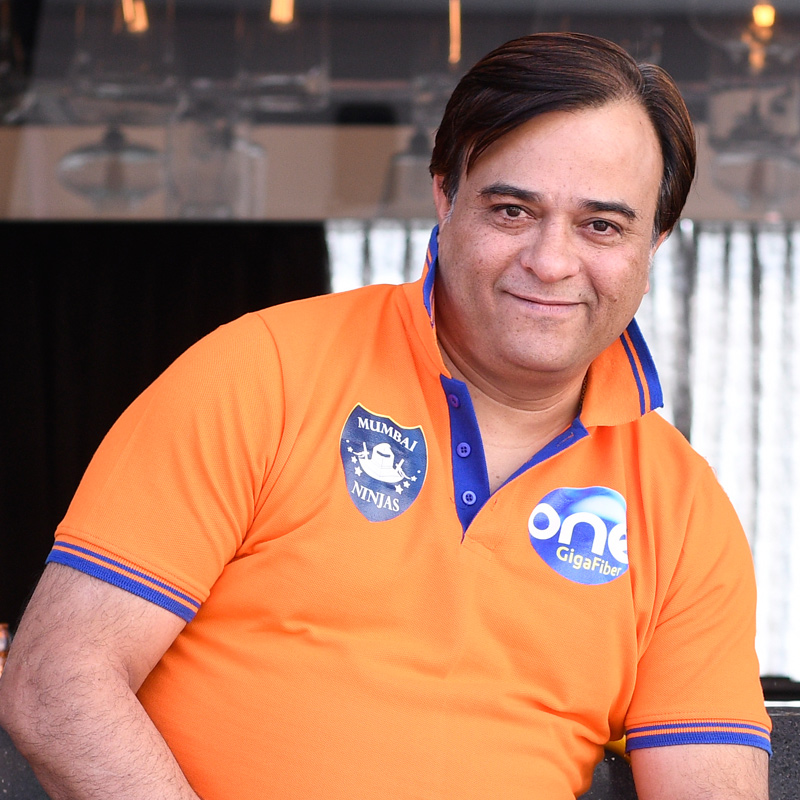
Mumbai: OneOTT Intertainment Ltd (OIL), the broadband subsidiary of NxtDigital Ltd (NDL), the media vertical of the Hinduja Group crossed one million wired home broadband subscribers. OIL added over 200,000 subscribers in the fourth quarter of FY22 recording a growth of 65 per cent over FY21.
In an interaction with IndianTelevision.com, OIL CEO Yugal Kishore Sharma speaks about the progress made and the goals for the broadband subsidiary.
What targets has OneOTT Intertainment set for the year?

OIL has achieved a robust growth clocking a CAGR of close to 75 per cent in the last six years and we hope to continue this momentum in fiscal 2023. Whilst we remain on track to add over half a million customers, if not more, in this fiscal; we do have an ambitious plan to double our current subscriber base. This will propel us into India’s top three private internet service providers.
What is the game plan to get there?
At OIL, the success mantra has been our focused approach to extend a consistent customer experience bundled with ‘predictable & proactive customer responsiveness and care.’ The success of this mantra is reflected in our performance; in Q4 of FY22, we added over 200,000 customers, a milestone achievement by any yardstick.
We launched a FTPD or ‘faster-than-pizza-delivery’ initiative that challenges our customer responsiveness to be faster and more efficient than that of QSR brands. This has led OIL to enhance its SLAs resulting in lowest-customer-Churn well below the industry average of one per cent.
What is the USP of OneOTT Intertainment versus competition?
The USP is embedded in one of our groups principle ‘Partnership for Growth.’ This is a model that is driven actively by NxtDigital across the digital distribution space; and as a subsidiary of NxtDigital we have adapted the model effectively in the broadband industry. OIL has evolved an industry first and innovative ISPs Aggregator Model that has contributed to rejuvenating India’s passionate entrepreneurs running small and medium ISPs.
The model continues to successfully consolidate and unify the MSO ISP Industry as a strategic alliance partner. We’re pleased to state that we should have more than 50 such ISPs or alliance partners within our OIL umbrella in the first half of this fiscal.
What growth in digital consumption was seen during a lockdown? How were you able to capitalise on it?
Team OIL, along with its parent digital platforms company NxtDigital, introduced the industry to its vision of providing an always-on-high-speed-internet-access to transform the lives of the customers for their on-demand entertainment. In fact, we have aptly coined a new term for such a service demand – Intertainment.
OIL is better prepared to offer its Intertainment services across OTT, live TV, VOD, movies, and gaming. At the onset of the first lockdown, our customers and their family members had to work, study and play from home, thereby, increasing the bandwidth consumption by almost 50 per cent. OIL through its Intertainment platform along with an innovative product-mix and promotional bundles was able to meet customer demands without passing any incremental cost.
Which are the key cities and towns where you see the most potential?
Our vision is a reflection of our groups mission – to facilitate digital inclusion in India through innovative technology, keeping alive the entrepreneurship spirit of small and medium ISPs. We aspire to serve as many as citizens as possible across the country. We will continue to leverage the vast network of over 1,500 cities and towns that NxtDigital currently delivers digital television and other services to.
What is the big challenge in delivering high speed to consumers?
There are challenges, but we’re also grateful to the government for bringing in appropriate guidelines to help the industry accelerate and grow. We are sure that two key issues that do often serve as stumbling blocks viz Right of Way (RoW) permissions and the need for standardisation on concurrency and contention ratios across ISPs and TSPs will be addressed soon.
Could you talk about the tie-ups that you have with companies like Facebook, Nokia?
OIL’s strategic alliance with Facebook India has made fast internet not just available but also reliable and affordable on Wi-Fi and other last-mile-access technologies at Dharavi and other such areas.
We are very conscious about best-in-class technology and have partnered with leading technology companies like Nokia, Juniper, Huawei and others across core, aggregate, access, analytics and security solutions. OIL’s Technology Partners have also come up with innovative ‘Enterprise-5G’ solutions that can be leveraged extensively.
Finally what is your view on 5G and how it will revolutionise data consumption?
With 5G, the world will be much faster connected on mobile internet with 10 times data speeds as compared to current networks. This newfound capability could see the emergence of cutting-edge solutions to benefit users.
The top ISPs along with ‘Enterprise-5G’ spectrum could have the capability and resources to build large campus-wide connectivity solutions for enterprise networks powered on a common 5G backhaul. 5G rollout topology is on a ‘small-cell-architecture’ network which is in a radius of half a kilometre vis-à-vis 1.5~2 Kms of a cellular network architecture. This would complement OIL’s Fibre-To-The-Home (FTTH) network roll-out and related services.





Gaming
Nodwin Gaming partners with Runestone for esports data and integrity solutions
South Asian esports leader joins forces with Czech tech firm to enhance tournament operations.
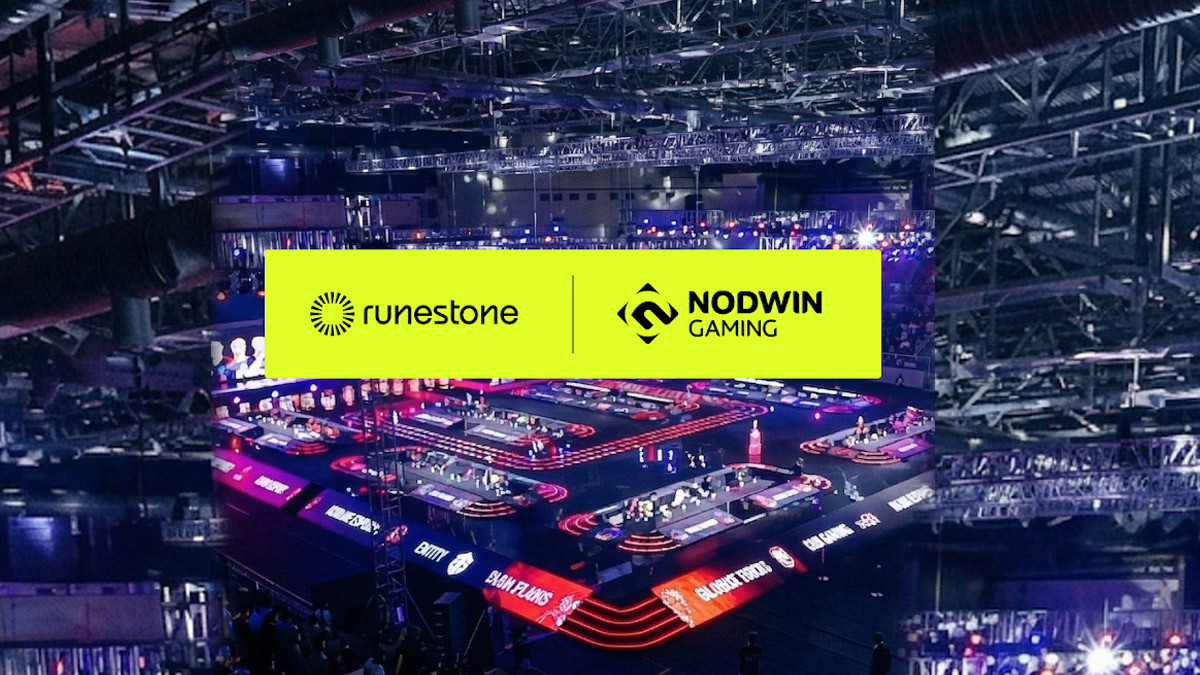
MUMBAI: Nodwin Gaming has just levelled up its game by bringing in a specialist to keep the scoreboard honest and the fans fully engaged. The leading South Asian esports and gaming company has announced a strategic partnership with Runestone, a Prague-headquartered esports technology firm specialising in real-time data and engagement solutions for tournament organisers and publishers.
The collaboration aims to strengthen competitive integrity, improve operational oversight, and deliver more interactive viewing experiences across Nodwin’s properties. It will initially focus on the Nodwin Clutch Series for Counter-Strike 2, a Tier 2 tournament that provides emerging teams with consistent competitive opportunities and helps build the talent pipeline.
The latest edition of the series recently concluded with Big defeating ECSTATIC 2–1 in the grand final of the $50,000 online event.
Nodwin Gaming chief business officer at MENA and global head of data monetization Teemu Koski said, “Integrity and transparency are fundamental to sustainable esports ecosystems, especially in Tier 2 competition where the next generation of talent emerges. Runestone’s expertise complements our experience in building scalable esports IPs.”
Runestone head of partnerships Michael Schwartz added, “Nodwin Gaming has built one of the most dynamic esports ecosystems across emerging markets. We’re thrilled to collaborate on supporting tournaments with greater transparency, deeper fan interaction, and scalable tools.”
Both companies are exploring opportunities to extend the partnership across additional titles, including mobile-first competitive ecosystems, and to develop new products for publishers, tournament operators, and event promoters.
In the rapidly growing world of esports, where fair play and fan excitement are equally crucial, Nodwin Gaming and Runestone are teaming up to ensure every match is not only competitive but also transparent and engaging. This alliance could well become a game-changer for Tier 2 tournaments across South Asia and beyond.







