iWorld
Vodafone Idea posts Rs 111.2 billion revenue but struggles under debt burden

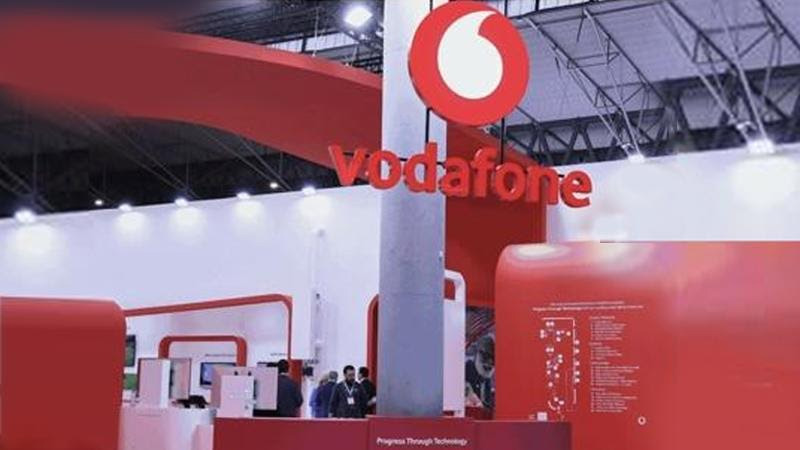
MUMBAI: Vodafone Idea (Vi) is ringing in revenue growth, but the static of debt remains loud. The telecom giant reported Rs 111.2 billion in revenue for Q3FY25, marking a 1.7 per cent sequential increase, and clocked its highest quarterly cash EBITDA of Rs 24.5 billion since the Vodafone-Idea merger. However, despite operational improvements, Vi remains in the red, posting a net loss of Rs 66.1 billion.
The company’s average revenue per user (ARPU) rose to Rs 173, reflecting a 4.7 per cent QoQ jump, largely driven by tariff hikes and customer upgrades. But its financial burden remains steep. Bank debt stands at Rs 23.3 billion, while spectrum and AGR dues total a staggering Rs 2.27 trillion, payable over two decades.
Vi is pushing forward with a massive capex plan, spending Rs 53.3 billion in the first nine months of FY25, with a full-year target of Rs 100 billion. The company added 4,000 broadband towers, its highest in a single quarter since the merger, and expanded 4G coverage to 41 million more users, reaching 1.07 billion people.

A phased 5G rollout is now officially in motion, with Mumbai set to go live by March 2025, followed by Delhi, Bengaluru, Chandigarh, and Patna in April. The telco is banking on this expansion to sharpen its competitive edge.
To keep its balance sheet in check, Vi has secured Rs 19.1 billion in fresh equity capital from its promoter group, pushing its total equity infusion to Rs 260 billion in the last 10 months. The company also received a bank guarantee waiver on spectrum payments, offering temporary relief.
Vodafone Idea is also in the middle of another fresh financial hurdle as the Department of Telecommunications (DoT) has demanded a Rs 6,090 crore bank guarantee by March 10 to cover spectrum obligations since 2015, offering an alternative cash payment of Rs 5,493 crore. The telco must choose one of these options and comply with the telecom department’s requirements, adding to its existing financial woes amid intense industry competition. This development comes as a major setback for Vi, which is already grappling with Rs 2.27 trillion in spectrum and AGR dues. However, some relief arrived in January when the Supreme Court upheld the Bombay High Court’s November 2023 decision granting Vi a Rs 1,600 crore tax refund, providing a temporary financial cushion as the telco continues its struggle to stabilise operations.
While Vi is making strides in revenue and expansion, the question remains, can it dial up a full-fledged recovery, or will the weight of its debt drop the call?





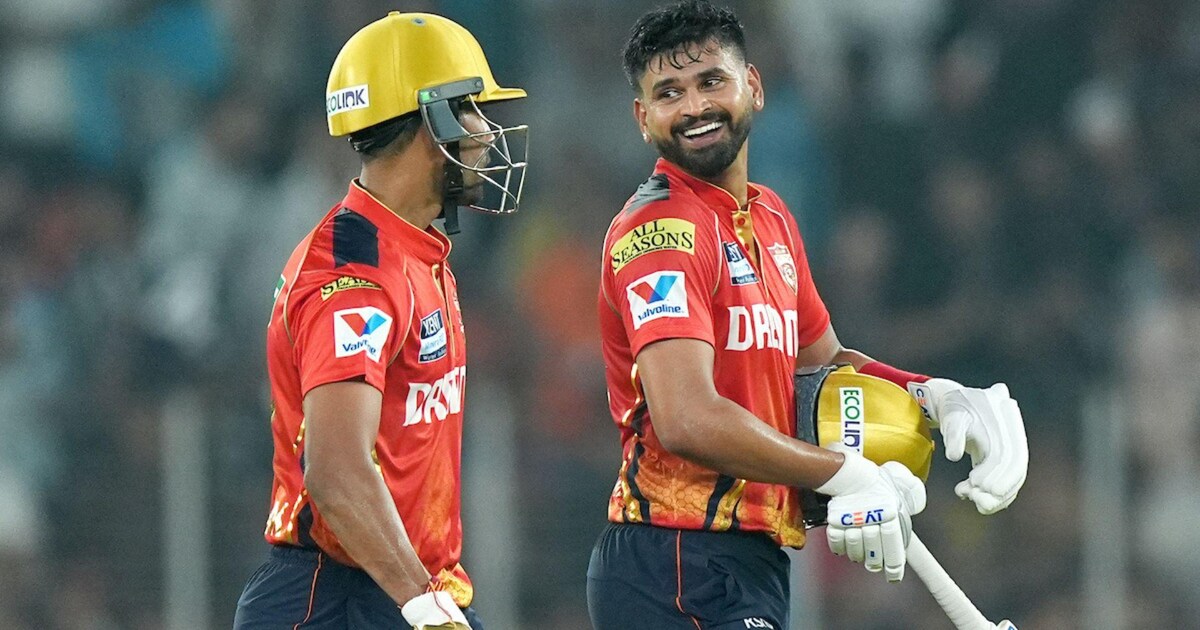
MUMBAI: If cricket were a binge-worthy series, this one just dropped its most explosive pilot yet. The opening weekend of the 2026 edition of the Indian Premier League has come out swinging, smashing records across both television and digital platforms and reaffirming the tournament’s unmatched pull in India’s sporting and media landscape.
Backed by two high-octane matches featuring 200-plus run chases, the tournament delivered a combined reach of over 515 million viewers across linear TV and digital platforms via JioStar’s broadcast ecosystem, including Star Sports and JioHotstar. More tellingly, engagement surged alongside reach, with total watch-time hitting 32.6 billion minutes, a sharp 26 per cent jump over the opening weekend of the previous season.
The numbers reveal a deeper shift in how India watches cricket. Connected TV (CTV) consumption rose by 30 per cent, while peak concurrency on digital platforms jumped 61 per cent, signalling a growing appetite for shared, big-screen streaming experiences. On traditional television, the momentum held strong, with TV ratings (TVR) climbing 24 per cent compared to earlier seasons’ opening matches.
A key driver of this spike has been the evolution of the viewing experience itself. This season introduced differentiated feeds, most notably a Hindi CTV broadcast featuring cricketing voices such as Ravichandran Ashwin, Suresh Raina, Harbhajan Singh, Virender Sehwag and Irfan Pathan. Blending expert analysis with a watch-along format, the feed has added a conversational, almost second-screen feel without requiring viewers to leave their screens.
According to JioStar CEO for Sports Ishan Chatterjee, at the opening weekend underscores not just scale but also the depth of engagement that live cricket continues to command. He noted that the combination of large-screen viewing and digital interactivity is creating a more immersive and personalised experience, while also delivering tangible outcomes for brand partners.
From the league’s perspective, the early numbers point to a tournament that continues to reinvent itself. Arun Singh Dhumal, Chairman of the IPL, said the strong start reflects how high-quality cricket paired with enhanced viewing formats is resonating with audiences nationwide, while Board of Control for Cricket in India secretary Devajit Saikia highlighted the “quality of engagement” as a key takeaway, not just the scale.
Commercially too, the opening weekend signals robust advertiser confidence. The broadcast is led by co-presenting sponsors including Google (Search AI Mode), Campa Energy, and Havells & Lloyd, alongside co-powered partners such as Birla Opus, Hero Motocorp and Amazon. A long tail of associate sponsors from OpenAI and Asian Paints to Flipkart and Amul further reflects the league’s unmatched ability to aggregate advertiser interest at scale.
Taken together, the opening weekend numbers are less a spike and more a statement. With 515 million viewers, 32.6 billion minutes of watch-time, and double-digit growth across formats, IPL 2026 has not just started strong, it has set the tone for a season that looks poised to push the boundaries of both sport and spectacle.






