News Broadcasting
Vice strengthens foothold in APAC, Hosi Simon made CEO

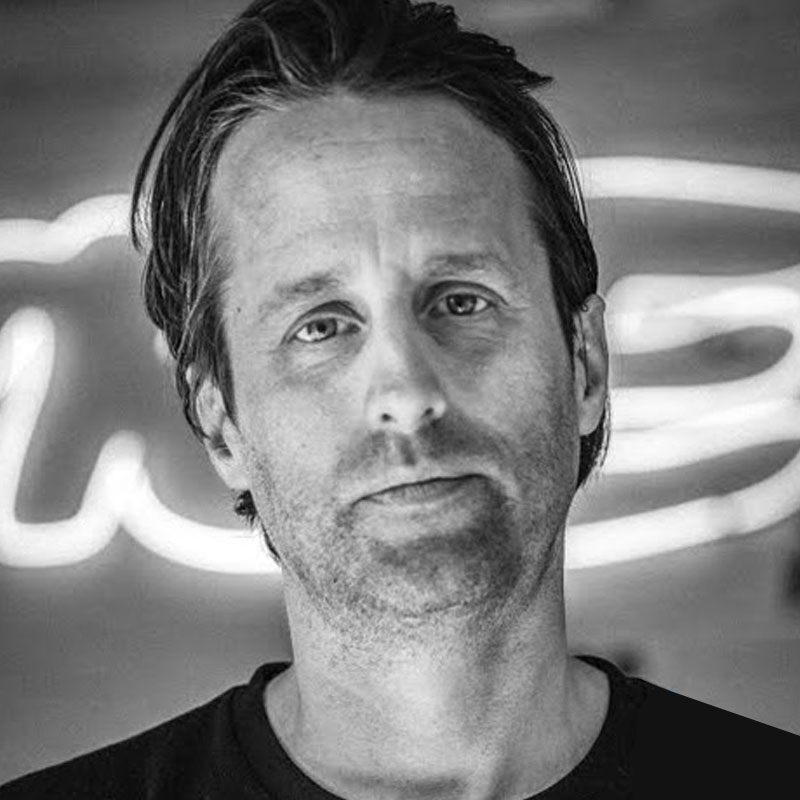
MACAU: Vice Media has announced a major expansion of its offerings across the Asia Pacific region, with a plethora of new deals that will allow it to reach hundreds of millions of additional viewers.
Vice India will launch in early 2018 through a partnership with the Times of India Group, allowing it to produce and distribute local programming for online, mobile and linear platforms. New offices in Mumbai and Delhi will host full-scale Vice operations, including a local offering of virtue worldwide and a full-service content production studio producing scripted, film, news and culture content from India for television, SVOD, OTT and digital platforms.
With an online video market that is expected to hit $ 46 billion over the next five years, the APAC region is home to 60 percent of the world’s young people, according to the United Nations, demonstrating a significant opportunity for the youth-focused media brand.

Vice global general manager Hosi Simon will relocate to Singapore, the new headquarters of Vice APAC, to become chief executive officer for the region. Simon announced the new role and the series of partnerships today at the CASBAA Convention 2017 in Macau.
In addition to opening a full-service content and commercial hub in Singapore, which will offer a studio for local documentary, scripted and film content production, and provide creative services through Virtue Worldwide, Vice announced new offices and partnerships that will allow the youth brand to expand its reach and library of intellectual property.
Vice is building on its partnership with Docomo Digital in Japan across several territories in Asia. It has also entered into partnerships with leading global and local brands in the region, with more territory launches, partnerships and employee appointments to be announced in the coming weeks.
“We believe there is a huge opportunity for Vice to build out a deeply relevant, highly local, youth media company across the Asia Pacific region,” said Simon. “With the growing importance of local culture to young people, along with a surging youth population and increased connectivity, some of the most dominant forms of global youth culture across technology, music, fashion, consumer brands, food and identity will come from this part of the world. We hope to play a significant role in creating and giving a voice to these movements, and helping to bring them to the rest of the world.”
The full slate of announcements to expand in the APAC region include:
Vice Singapore – Under the direction of new Vice Asia Pacific CEO Hosi Simon, the Vice Singapore regional headquarters will serve as the nucleus for Asia Pacific activity, becoming a content hub offering the full scale of Vice services, including complete production capabilities, locally staffed editorial content, and creative services through Virtue Worldwide. Vice Singapore will be fully operational by January 2018.
Vice Indonesia – Vice remains in close partnership with JawaPos TV, which will air branded Viceland blocks and Vice news tonight episodes, and digital content in primetime slots beginning this month. Young people aged 18-34 comprise 50 percent of Indonesia’s overall population,opening the door for it to reach the young audience on whatever platform they consume content.
Expansion of Vice + Docomo Digital partnership: Based on the success of Vice Japan’s partnership with Docomo Digital, Vice and Docomo have significantly expanded their partnership to bring Vice+, Vice’s subscription video on demand (SVOD) service, into Singapore, India, Hong Kong, Taiwan, Thailand, and other territories to be announced. This will allow Vice content to reach millions of new young people in a region with a fast growing youth population.
Virtue worldwide brand partnerships: Virtue worldwide has entered into major brand partnerships that will see the creative agency that was born out of Vice provide creative services throughout the Asia Pacific region. Launch partnerships in the region include Unilever in Indonesia, National Basketball Association in China, Budweiser in Australia, Nike in Thailand and the Philippines, and a BMW/Alexander Wang collaboration around a new vehicle launch in China.
Vice has operated in the Asia Pacific region since 2003 and currently has offices in Australia, New Zealand, Japan, China and Indonesia. This vast expansion in the region follows the series of deals Vice announced earlier this year, providing major inroads into the nascent mobile content market in the APAC region, and furthers Vice’s ability to bring content directly to young people on whatever screen they are watching. The series of deals will allow Vice to further cultivate the growing young audiences across the APAC region, growing its presence across multiple screens and reaching millions of new viewers across the region.
Simon assumes the role of CEO, Vice Asia Pacific after serving as global general manager of Vice Media for over a decade, where he oversaw the strategy, growth and operations of Vice digital assets around the world, including Vice’s owned and operated channels, publishing and large-scale brand partnerships, and mobile and OTT platforms, and launched many of the newer offices around the world.
Vice has developed an outstanding global reputation for producing the gold standard of video content for young people, forging innovative distribution partnerships across mobile, digital and linear platforms with A+E Networks, HBO, YouTube, Snapchat, Sky, 20th Century Fox, Verizon, Canal+, and more to take its programming to young people everywhere.
These deals significantly increase Vice’s vast international footprint, ushering in new audiences, revenue streams, and content production. With these deals, Vice’s award-winning multi-platform programming across lifestyle, culture, news, sports, food and more, will be delivered to over 80 territories by Q1 2018.







News Broadcasting
CNN-News18 to host Fury in the Gulf conclave on West Asia crisis
Three-hour summit to unpack geopolitical fallout and impact on India

MUMBAI: CNN-News18 is set to host a special three-hour broadcast, Fury in the Gulf – War Conclave, on April 7, aiming to decode the escalating West Asia crisis and its far-reaching implications for India.
Scheduled from 4:00 PM to 7:00 PM, the conclave comes at a time when tensions between Iran and the United States are reshaping global geopolitics and triggering economic uncertainty. With India’s deep energy ties, trade links and large diaspora in the Gulf, the developments carry significant domestic relevance.
Built around the theme ‘Conflict, Consequences, and The Future,’ the programme will feature six curated sessions combining one-on-one interviews and panel discussions. The focus is to cut through the clutter and offer viewers a clearer understanding of the fast-evolving situation.
Key sessions include ‘Diplomacy in Times of War’ featuring Shashi Tharoor, and ‘World After the Iran Conflict’ with voices such as Ram Madhav, Reuven Azar, representatives from the European Union and the Iranian Deputy Envoy. Another session titled ‘Another Dunkirk?’ will bring together K. J. S. Dhillon and Jitin Prasada among others.
CNN-News18 editorial affairs director Rahul Shivshankar said, “In times of war, clarity becomes the most powerful tool. Fury in the Gulf – War Conclave brings together credible voices to address the questions and confusion that arise amid an overwhelming influx of information.”
He added that the initiative is aimed at delivering “facts, perspective, and insight” at a time when misinformation can easily cloud public understanding.
Echoing the sentiment, CNN-News18 CEO– English and business news Smriti Mehra said the conflict marks a defining global moment, with consequences that extend well beyond the region. She noted that the conclave seeks to present the crisis with “depth, nuance and responsibility” so audiences can better grasp its real-world impact.
As geopolitical tensions continue to dominate headlines, the conclave positions itself as an attempt to bring order to the noise, offering viewers a structured, insight-led look at a complex and rapidly shifting global situation.






