Cable TV
US cable TV chiefs take on rivals


MUMBAI: The collective decision of leaders of the top three US cable TV operators to look for both programming companies and smaller cable systems is of any indication, the US television industry is going to witness some tough competition between cable TV operators and satellite TV and phone companies.
Chief executives of Comcast Corp., Time Warner Inc., and Charter Communications Inc. reaffirmed their faith in the combination of content and distribution, during the annual National Cable Television Association conference held on Monday, 3 May.
“We have an interest at the right time and right price to expand our cable footprint. The growth prospects (for cable) are as good as any of the businesses in our portfolio,” said Time Warner CEO Richard Parsons. Others who joined hands with Parsons include Comcast CEO Brian Roberts and Charter Communications’ controlling shareholder and chairman of Vulcan Inc. Paul Allen.

“We have an interest at the right time and right price to expand our cable footprint. The growth prospects (for cable) are as good as any of the businesses in our portfolio,” said Time Warner CEO Richard Parsons.
According to a Reuters news wire, all three executives would look to buy smaller cable operators to compete with satellite TV providers, which have a national footprint.



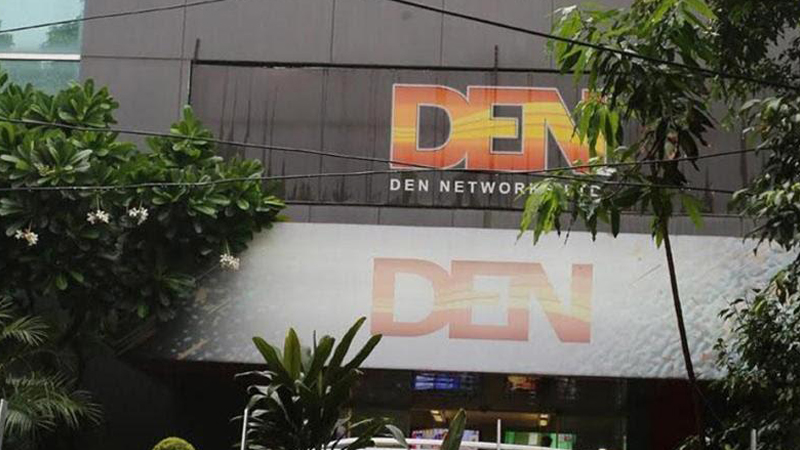
MUMBAI: When margins wobble, liquidity talks and in Q3 FY25-26, cash did most of the talking. Den Networks Limited closed the December quarter with consolidated revenue of Rs.251 crore, marginally higher than the previous quarter but down 4 per cent year-on-year, even as profitability stayed resilient on the back of strong cash reserves and disciplined cost control.
Subscription income softened to Rs.98 crore, slipping 3 per cent sequentially and 14 per cent from last year, while placement and marketing income offered some cheer, rising 15 per cent quarter-on-quarter to Rs.148 crore. Total costs climbed faster than revenue, up 7 per cent QoQ to Rs.238 crore, driven largely by higher content costs and operating expenses. As a result, EBITDA dropped sharply to Rs.13 crore from Rs.19 crore in Q2 and Rs.28 crore a year ago, pulling margins down to 5 per cent.
Yet, the bottom line refused to blink. Profit after tax stood at Rs.40 crore, up 15 per cent sequentially and only marginally lower than last year’s Rs.42 crore. A healthy Rs.57 crore in other income helped cushion operating pressure, keeping profit before tax at Rs.48 crore, broadly stable quarter-on-quarter despite the tougher cost environment.
The real headline-grabber, however, sits on the balance sheet. The company remains debt-free, with cash and cash equivalents swelling to Rs.3,279 crore as of December 31, 2025. Net worth rose to Rs.3,748 crore, while online collections accounted for 97 per cent of total receipts, underscoring strong cash discipline across operations, including subsidiaries.
In short, while Q3 showed signs of operating strain, the financial backbone remains solid. With zero gross debt, steady profits and a formidable cash war chest, the company enters the next quarter with flexibility firmly on its side proving that in uncertain markets, balance sheet strength can be the best growth strategy.






