News Broadcasting
UK unions up in arms over BBC’s proposed job cuts

MUMBAI: Over the past month the BBC has announced two rounds of job cuts in the UK which will amount to annual costs savings of ?355 million. British unions are not surprisingly unhappy over the move.
Union leaders representing thousands of BBC staff have given the corporation an ultimatum of withdrawing plans to axe almost 4,000 jobs or face strikes. Leaders of Bectu, the National Union of Journalists and Amicus decided to call for a 90-day moratorium on the controversial plans.
The unions have demanded that managers stopped asking for volunteers for redundancy and to enter negotiations so that the proposals could be properly evaluated. If the BBC does not agree to the demands by 4 April the unions will ballot their members for strike action. The unions have branded BBC DG Mark Thompson’s job cuts as being brutal.

Unions have questioned how the BBC could meet the challenges of the future by axing frontline jobs. And Bectu has said the cuts were “brutal” and would make the BBC less efficient. Comments by Bectu members to the union’s website included: “Get the legal side sorted out pronto, let’s get the ballot going and let’s get out on strike now.”
As had been reported earlier by Indiantelevision.com Thompson said that it was a difficult and painful process but necessary. The cuts and savings will be made over the next three years. The general secretary of the National Union of Journalists, Jeremy Dear has been quoted in media reports saying, “First Mark Thompson severed the BBC’s arteries with the announcement of 1,700 job losses in professional services, now we face the prospect of him ripping the heart out of BBC programme-making.”
“There’s a real threat to BBC news and current affairs staff and to programme-making staff. They are asking 80 per cent of the staff to produce 100 per cent of the programmes. Amongst BBC staff, the general reaction is one of anger and astonishment.” The job losses in news are expected to come from areas where correspondents are currently “doubling up” – covering the same stories for different bulletins. The NUJ said it expected Scotland and Newcastle to be among the worst-hit areas, although the BBC said the cuts in Scotland were on a par with Northern Ireland and Wales.
A protest is to be held in Glasgow as trade unions branded a BBC move to axe 176 Scottish jobs as a disgrace. BBC Scotland controller Ken MacQuarrie had announced the plan to streamline the business by cutting workers in TV production, radio and administration. Workers against the move will gather outside the BBC Glasgow HQ in a National Union of Journalists protest.





News Broadcasting
Kamlesh Singh receives Haldi Ghati Award from MMCF
India Today Group editor honoured for three decades of journalism at Udaipur ceremony.
MUMBAI- Kamlesh Singh just turned a lifetime of sharp words into a shiny shield because when journalism wakes up a society, even the Maharana of Mewar wants to pin a medal on it.
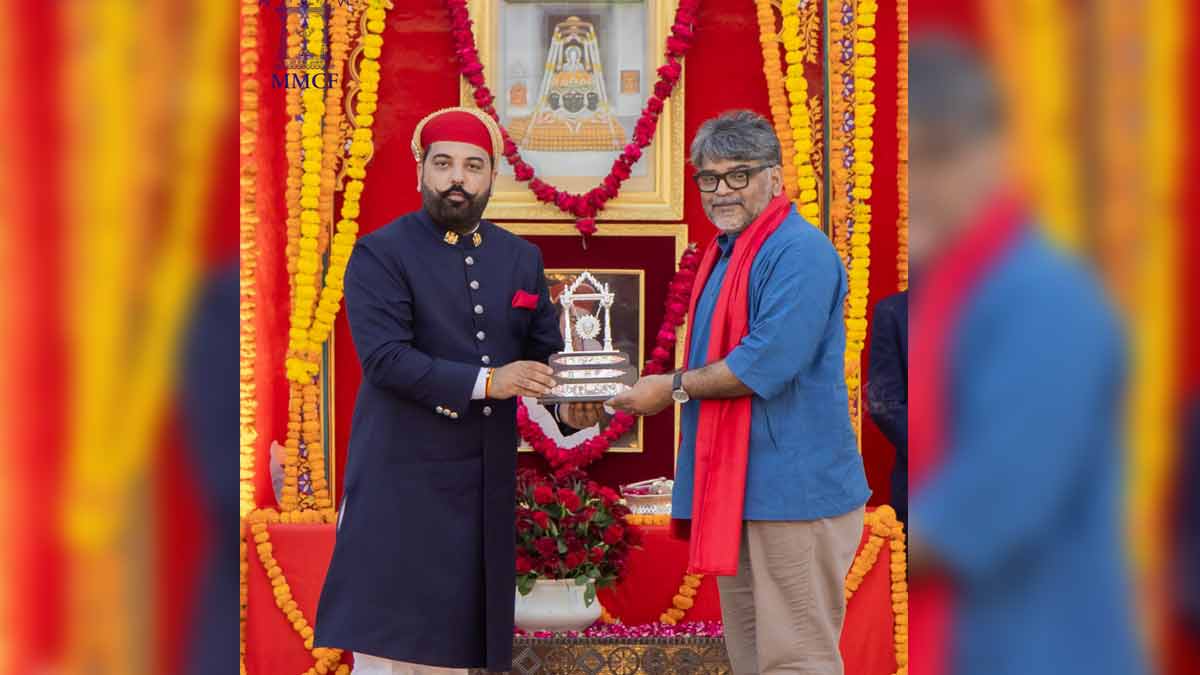
The Maharana of Mewar Charitable Foundation (MMCF) conferred its prestigious Haldi Ghati Award on Kamlesh Singh, a senior editor at the India Today Group, during a ceremony in Udaipur on 15 March 2026. The national award, instituted in 1981-82, recognises “work of permanent value that initiates an awakening in society through the medium of journalism.”
Singh, who leads several editorial initiatives including Aaj Tak Radio, the Teen Taal community and The Lallantop, was presented the honour by Lakshyaraj Singh Mewar, Managing Trustee of MMCF. The citation highlighted his three decades of contributions to Indian media, innovations in digital journalism, mentoring young reporters, and his popular podcast persona “Tau” on Teen Taal, which fosters thoughtful public discourse.
The Haldi Ghati Award, named after the historic Battle of Haldighati symbolising valour and resilience, is one of four national awards given annually by MMCF. Past recipients include Tavleen Singh, Piyush Pandey and Raj Chengappa.
Other honourees this year included Padma Vibhushan Pt Hari Prasad Chaurasia, Vedamurti Devvrat Rekhe, Treeman of India Marimuthu Yoganathan, Vir Chakra Capt Rizwan Malik, and US-based researcher Molly Emma Aitken, who received the Colonel James Tod Award for contributions to understanding Mewar’s spirit and values.
In an era where headlines often shout louder than substance, the MMCF quietly reminded everyone that real journalism isn’t about noise, it’s about the quiet, persistent work that stirs society awake, one thoughtful story at a time.