News Broadcasting
TV9 Bangla Bijoya Sammelani goes the folk fiesta way


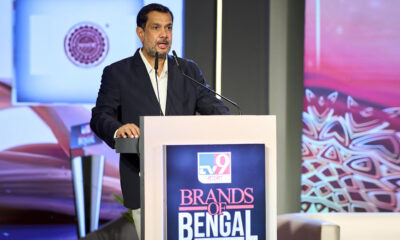
Mumbai: The Bengali news channel, TV9 Bangla embarks on a cultural extravaganza in the recently concluded flagship award programme, Bijaya Sammelani which was held in a city’s heritage hotel. TV9 Bangla Bijaya Sammelani is all about a fascinating rendezvous on an award program called ‘Sera Naye’ that is held under various categories:
Sera Barowari (Best Durga puja of puja associations), Sera Pratima (Best Idol), Sera Alankar(Best Ornaments), Sera Theme(Best Theme), Sera Paribesh (Best Ambiance), Sera Suraksha(Excellence in Safety), Mayer Puja Meyer Hatey (Worshipped by Daughter to Maa Durga goddess), Manusher Pashe(By the people), Sera Abason (Best Apartment Pujas), Sera Samagam(Best Gathering), Sera Srijan (Best Creativity) and Jelar Sera Puja (Best pujas across the Bengal Districts).
Some of the Durga Puja award winners that are worthy to be mentioned under the categories are as:

Sera Barowari – Dumdum Park Tarun Sangha
Sera Pratima – Bosepukur Sitala Mandir
Sera Alonkar – Chorbagan Sarbojanin Durgotsab Samity
Sera Theme – Baghajatin Tarun Sangha
Sera Poribesh – Newtown Sarbojanin Durgotsab Samity
Sera Suraksha – Ajeyo Sanghati
Mayer Puja Meyer Hate – Arjunpur Amra Sobai Club
Manusher Pase – Chakraberia Sarbojanin Durgotsab
Sera Abashon – Silver Oak Estate
Sera Samagom – Santosh Mitra Square
Sera Srijan – Hatibagan Nabin Pally
Jelar Sera Pujo – Barma Shell Dakshinpally Sarbojonin Durga Puja Committee
This programme was lined up with rural folk performances of vibrant Chhau dance (a semi-classical Indian dance with martial and folk traditions), originating from Purulia, a culturally enriched district of Bengal, and playing of khol (a terracotta two-sided drum used in northern and eastern India for accompaniment with devotional or bhakti music).
TV9 Bangla Bijaya Sammelani is co-presented by SRMB Real Edge, co-powered by Finolex Pipes, Kesh King and Dear Lottery, special partner – JBG Hexa and Super Power Detergent, Gold plated jewellery partner- Rumpa Jewellery, Beauty partner- Louis Herbal, food partner -Lalbaba Rice, knowledge partner – Sister Nivedita University (SNU), health partner- Nature Pure, agriculture partner-Willowood, prayer partner- Rhythm Dhoopkathi, associate sponsor- Manmohan Jadu Malam.




News Broadcasting
CNN-News18 to host Fury in the Gulf conclave on West Asia crisis
Three-hour summit to unpack geopolitical fallout and impact on India
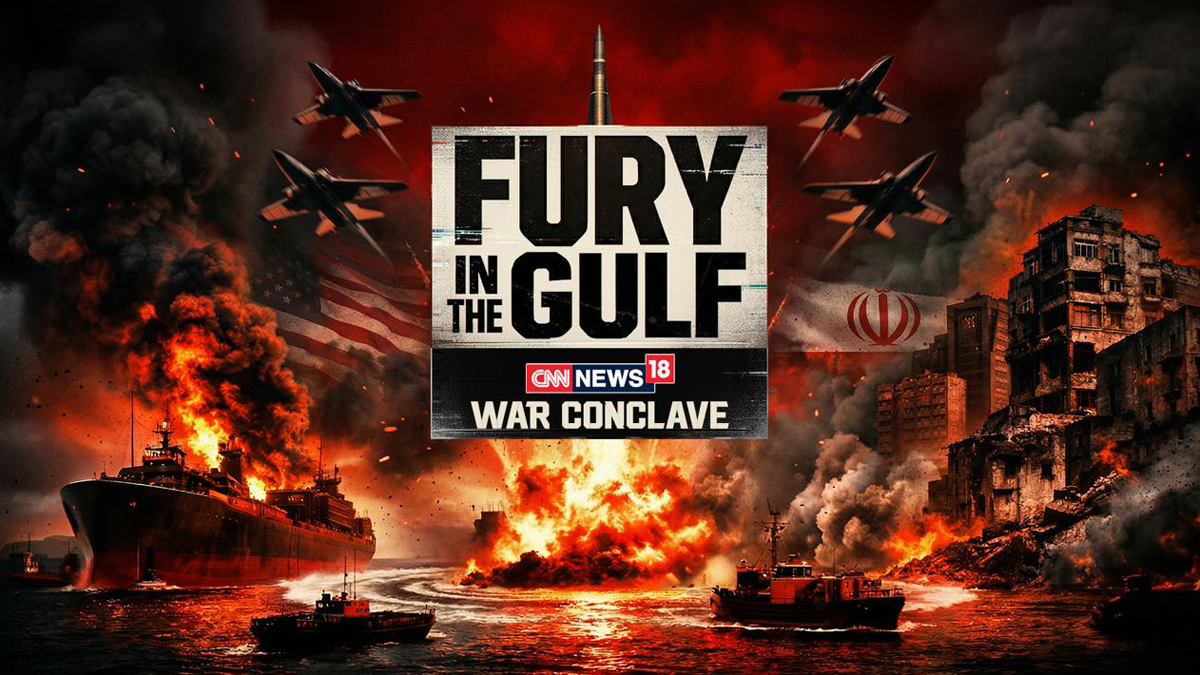
MUMBAI: CNN-News18 is set to host a special three-hour broadcast, Fury in the Gulf – War Conclave, on April 7, aiming to decode the escalating West Asia crisis and its far-reaching implications for India.
Scheduled from 4:00 PM to 7:00 PM, the conclave comes at a time when tensions between Iran and the United States are reshaping global geopolitics and triggering economic uncertainty. With India’s deep energy ties, trade links and large diaspora in the Gulf, the developments carry significant domestic relevance.
Built around the theme ‘Conflict, Consequences, and The Future,’ the programme will feature six curated sessions combining one-on-one interviews and panel discussions. The focus is to cut through the clutter and offer viewers a clearer understanding of the fast-evolving situation.
Key sessions include ‘Diplomacy in Times of War’ featuring Shashi Tharoor, and ‘World After the Iran Conflict’ with voices such as Ram Madhav, Reuven Azar, representatives from the European Union and the Iranian Deputy Envoy. Another session titled ‘Another Dunkirk?’ will bring together K. J. S. Dhillon and Jitin Prasada among others.
CNN-News18 editorial affairs director Rahul Shivshankar said, “In times of war, clarity becomes the most powerful tool. Fury in the Gulf – War Conclave brings together credible voices to address the questions and confusion that arise amid an overwhelming influx of information.”
He added that the initiative is aimed at delivering “facts, perspective, and insight” at a time when misinformation can easily cloud public understanding.
Echoing the sentiment, CNN-News18 CEO– English and business news Smriti Mehra said the conflict marks a defining global moment, with consequences that extend well beyond the region. She noted that the conclave seeks to present the crisis with “depth, nuance and responsibility” so audiences can better grasp its real-world impact.
As geopolitical tensions continue to dominate headlines, the conclave positions itself as an attempt to bring order to the noise, offering viewers a structured, insight-led look at a complex and rapidly shifting global situation.






