I&B Ministry
Tussle between Centre and Twitter intensifies

KOLKATA: The conflict between Twitter and the Indian government gets even murkier as the microblogging site has “failed to comply” with new IT rules. According to multiple reports, Twitter has lost its legal protection as an intermediary over non-compliance with the rules, which could impact its business overall as India remains one of the most critical markets for the platform. According to an estimate, the platform has a user base of 1.75 crore in India, which is one of its top five markets.
“Numerous queries are arising as to whether Twitter is entitled to safe harbour provision. However, the simple fact of the matter is that Twitter has failed to comply with the Intermediary Guidelines that came into effect from the 26th of May,” union information technology minister Ravi Shankar Prasad tweeted on Wednesday.
Prasad further added it has deliberately chosen the path of non-compliance despite multiple opportunities. His statement amid the reports of Twitter losing its “safe harbour” immunity has raised the question on Twitter’s future in India.

On the other side, Twitter said that it appointed an interim chief compliance officer in line with the new rules and it would share the details with the IT ministry soon. As per the rules, each significant social media intermediary is required to appoint a chief compliance officer, a nodal contact person for 24×7 coordination with law enforcement agencies, and a resident grievance officer. All three should be resident Indians.
“These rules are only about setting out the procedures that need to be followed by the intermediaries if they want to continue to get the protection of safe harbour under section 79. The principle of intermediaries is that ordinarily, you will be not liable to whatever content you carry because it is presumed the platforms do not know what they are carrying. Therefore, the platforms will get the benefit of the doubt. But the benefit of the doubt will only extend to the situation where you are told this is wrong and you need to take it down,” TMT Law Practice managing partner Abhishek Malhotra explained.
Twitter has already been named in an FIR concerning an incident in Ghaziabad’s Loni. “There is no communal angle to the incident in Loni where a man was thrashed and his beard was chopped off. The following entities — The Wire, Rana Ayyub, Mohammad Zubair, Dr Shama Mohammed, Saba Naqvi, Maskoor Usmani, Slaman Nizami — without checking the fact, started giving communal colour to the incident on Twitter and suddenly they started spreading messages to disrupt the peace and bring differences between the religious communities,” the Ghaziabad Police said in the FIR.
India is one of the top five markets for Twitter. There are apprehensions that Twitter can be even banned if this tussle continues. The platform recently faced the heat in Nigeria.
“Twitter admittedly is yet to comply with IT Rules, 2021 and as the law stands as on date, the government may decide to revoke its ‘intermediary’ status thereby taking away the immunity enjoyed by it against the content published on the platform by its millions of users,” partner at Bharucha & Partners Kaushik Moitra said.
However, any action initiated by the Government must be tested in the freedom of speech and expression enshrined in the Constitution of India, he noted further.





I&B Ministry
Chanchal Kumar appointed MIB secretary
1992-batch officer shifts from DoNER as Sanjay Jaju heads the north-east ministry
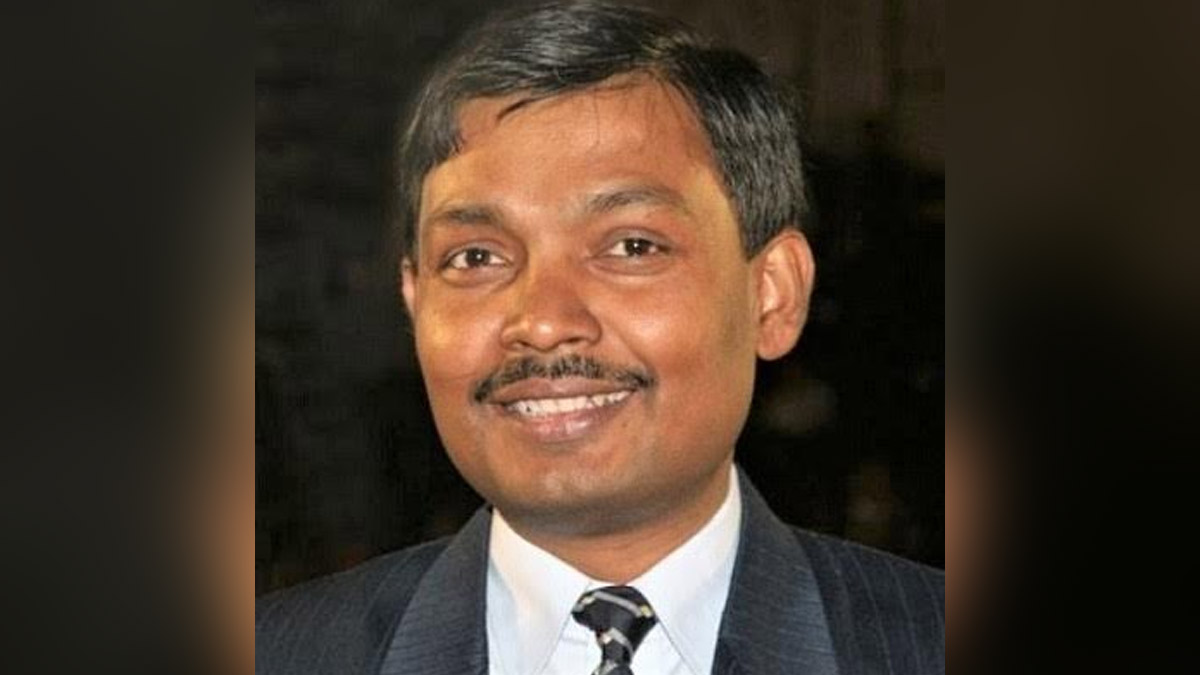
New Delhi: The government has rejigged its top bureaucracy, appointing Chanchal Kumar as secretary in the Ministry of Information and Broadcasting, replacing Sanjay Kumar Jaju in a swift senior-level switch.
Kumar, a 1992-batch IAS officer of the Bihar cadre, moves from the Ministry of Development of North Eastern Region (DoNER), where he had been serving as secretary. He steps into MIB as Jaju exits to take charge as secretary, DoNER.
Kumar is no stranger to handling multiple mandates. In December 2025, while at DoNER, he briefly held additional charge as secretary in the Department of Telecommunications during Neeraj Mittal’s leave from December 12 to December 21, ensuring continuity at a critical time.
Jaju, a 1992-batch IAS officer of the Telangana cadre, had taken over as secretary, MIB in February 2024, succeeding Apurva Chandra, who moved to the Ministry of Health and Family Welfare. His tenure combined administrative continuity with a sharper policy pitch on trust in India’s fast-evolving media and advertising landscape.
Speaking at the AdTrust Summit 2026 organised by the Advertising Standards Council of India, Jaju warned that misleading promotions risk eroding public trust even as digital platforms expand reach for businesses, startups and creators. He flagged rising threats from financial scams, deceptive investment schemes and fraudulent job advertisements targeting vulnerable users.
While noting that commercial speech is protected under freedom of expression, Jaju argued that misleading advertising must face regulatory scrutiny. He pushed for a shift in industry priorities—from scale to credibility, authenticity and transparency—especially in disclosures and sponsored content. Truthfulness, accountability and safeguards for vulnerable audiences, he said, must anchor the ecosystem.
Jaju’s move to DoNER and Kumar’s arrival at MIB signal a calibrated reshuffle at the top—continuity in governance, but with a clear message: credibility is the new currency.









