High Court
TRAI tariff: Madras HC extends status quo; SC to hear regulator’s appeal on 16 Jan

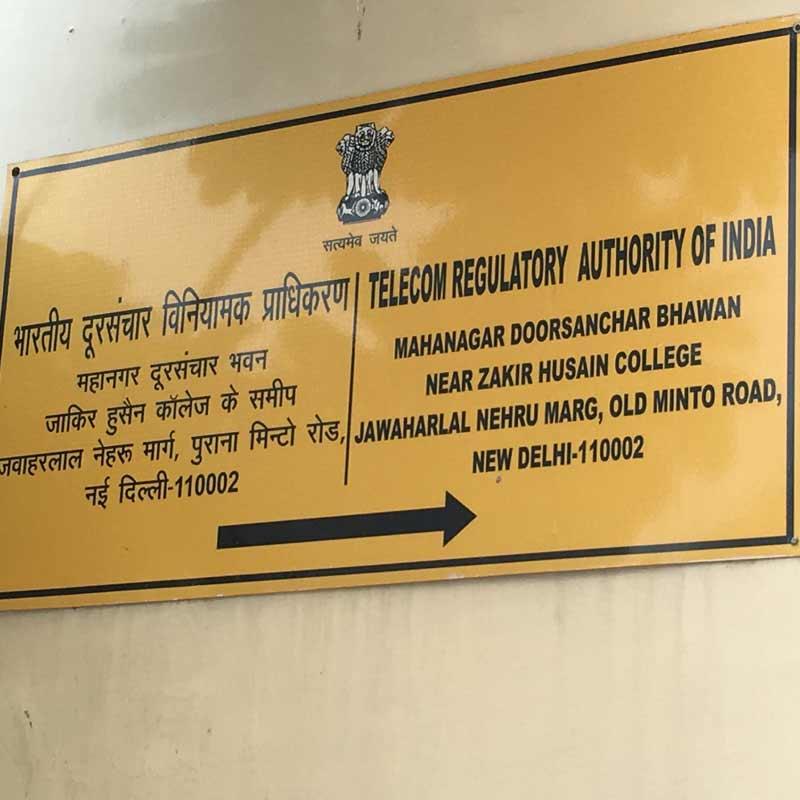
NEW DELHI: The Madras High Court today extended to 19 January 2017 the status quo with regard to any TRAI tariff orders or regulations for the broadcast sector in a case by Star TV and Vijay TV.
Meanwhile, the Supreme Court is scheduled to hear on 16 January 2017 the appeal by the Telecom Regulatory Authority of India against this interim order issued last month by Madras HC.
In the Madras High Court, the broadcasters had sought to argue that the TRAI orders are in conflict with the Copyright Act 1957. As a result of that court order and pending the full hearing of the case, TRAI would not be able to pass any guideline for issues such as broadcast tariff, broadcast interconnect, and quality of services.

A TRAI spokesperson said that although it was still waiting to receive the order from the Court, one immediate result would be that the draft tariff and interconnect guidelines issued by the regulator will be subject to the order of the High Court in this regard unless the apex court accepted the regulator’s appeal.
A few months ago, TRAI had issued draft guidelines on tariff interconnect and quality of service, while TRAI chairman RS Sharma had told indiantelevision.com earlier this month that the regulator would come out with its final recommedation by the end of the year.
It may be recalled that the Indian Broadcasting Foundation had also said in a submission to TRAI that the regulator’s draft guidelines were in direct conflict with the provisions of the Indian Copyright Act and similar regulations under the Berne Convention.
The IBF had said the Copyright Board is fully empowered to adjudicate upon disputes between any person and Content or Broadcast Reproduction Rights owners. Hence the Copyright Act and Rules provide for protection, monetisation, enforcement and adjudication procedures for all copyrightable work and broadcast reproduction rights.
Also read: Maintain status quo on broadcast guidelines, Madras HC tells TRAI






High Court
Delhi HC blocks illegal IPL 2026 streams, backs JioStar rights
Court orders swift takedowns, expands crackdown on piracy apps
NEW DELHI: In a timely move ahead of the cricketing season, the Delhi High Court has granted interim relief to JioStar India Private Limited, clamping down on illegal streaming of the TATA Indian Premier League 2026.
The court passed ex parte ad interim injunctions in two separate suits, restraining rogue websites and mobile applications from broadcasting IPL matches without authorisation. The tournament is set to begin on 28 March, making the timing of the order particularly significant.
Recognising JioStar’s exclusive digital and broadcast rights for the IPL cycle from 2023 to 2027, the court observed that unauthorised streaming would infringe its statutory and proprietary rights, potentially causing irreparable losses.
In one case, the court directed several identified websites to immediately stop hosting or streaming IPL content. It also issued a dynamic injunction, allowing JioStar to flag new infringing platforms in real time, which must then be blocked swiftly by domain registrars and internet service providers.
In a parallel order, the court turned its attention to piracy through mobile apps, particularly Android-based platforms distributing content via APK files. A broader dynamic+ injunction was granted, extending to future variants, mirror links and related interfaces, signalling a tougher stance on evolving piracy tactics.
The court also directed domain name registrars to suspend offending domains and share registrant details, including KYC and payment information. Internet service providers and telecom operators have been instructed to block access within strict timelines, in some instances within 36 hours. Both the Department of Telecommunications and the Ministry of Electronics and Information Technology have been asked to facilitate enforcement through necessary notifications.
Noting the fast-changing nature of digital piracy, the court emphasised the need for real-time enforcement tools to keep pace with anonymous and constantly shifting networks. It also underlined the commercial impact of piracy on legitimate rights holders.
The ruling reinforces the judiciary’s firm stance on protecting intellectual property in the digital age. For viewers, it is a reminder to stick to official platforms as the IPL season kicks off under tighter watch.






